


When we think about global security, we rarely picture a bag of dull gray minerals. Yet, at the very heart of the world’s clean energy ambitions and its most advanced weapon systems lie materials you cannot spot with the naked eye but that nations will quietly go to great lengths to secure.

Last week, a story broke that may not make front-page headlines but deserves every defense and energy professional’s attention. America’s largest rare-earth producer, MP Materials, announced it will ramp up its production of rare-earth magnets tenfold, from 1,000 to 10,000 metric tons annually, thanks to direct support from the U.S. Department of Defense. In the age of electric vehicles and precision missiles, this isn’t just a supply chain update. It’s a clear signal that the global struggle over rare earths is moving to a new phase.
The Unseen Backbone: Why Rare Earths Matter So Much
Rare earth elements (REEs) are a group of 17 metals that enable technologies we now consider fundamental. Without them, you don’t get wind turbines that rotate smoothly, electric cars that store more power, or drones that hover precisely where you want them to.
But the real tension emerges in defense. These same metals are critical to building guided missile systems, advanced fighter jets, and next-generation radar arrays. Each tiny magnet can be the difference between a defense system that works flawlessly and one that does not.
For decades, the U.S. and its allies have struggled with a dependency on China, which currently processes nearly 90% of the world’s rare earths. In 2010, Beijing showed just how powerful that chokehold could be when it cut rare-earth exports to Japan over a territorial dispute, sending shockwaves through the tech and defense industries. Since then, the urgency to diversify supply chains has grown but progress has been slow.
Why the Pentagon Is Taking Direct Action
Many might wonder: if rare earths are so essential, why hasn’t the West ramped up production sooner? The answer lies in economics and environmental policy. Extracting and refining rare earths is costly, highly polluting, and under tight environmental scrutiny in the U.S. and Europe. For years, it has simply been cheaper to rely on Chinese refiners until strategic risk started outweighing cost savings.
That’s why MP Materials’ move is so significant. Backed by a $58.5 million contract from the Department of Defense, the company will build up domestic capacity to not only mine but also process and manufacture finished rare-earth magnets. These magnets are a linchpin in both the green energy transition and critical weapons systems. Think F-35 fighters, missile guidance fins, and the electric motors in next-generation armored vehicles.
This is not charity or protectionism for its own sake; it’s about hedging national security risks that became glaringly obvious during the COVID-19 pandemic and now stand in sharper relief amid rising U.S.-China tensions.
The Bigger Picture: Energy, Security, and Supply Chains
What makes this story bigger than just one factory in Texas is how it connects energy and defense so directly. Countries like the U.S., Japan, and several EU members are simultaneously trying to decarbonize their economies and secure their militaries against emerging threats.
Ironically, the very minerals needed for more sustainable energy are also the ones that power advanced weapons. As more nations electrify vehicles, invest in offshore wind, and expand smart grids, the demand for rare earths will soar. But so too will the pressure to ensure that these materials cannot be used as geopolitical leverage.
This is why the rare-earth question sits squarely at the intersection of the energy transition and national defense. The Biden administration’s Inflation Reduction Act and the European Union’s Critical Raw Materials Act both emphasize this dual-purpose need: supply chains must be greener and more secure, or they risk being neither.
Strategic Rivalry With China Is Getting Real
For China, rare earths have always been a card to play in broader trade and diplomatic games. From Beijing’s perspective, controlling the flow of these elements is a way to influence both commercial and military competition.
By contrast, Washington’s message through this new MP Materials expansion is clear: the era of single-source dependency is over. Yet shifting from a global supply chain that is overwhelmingly Chinese-dominated to one that is truly diversified is easier said than done.
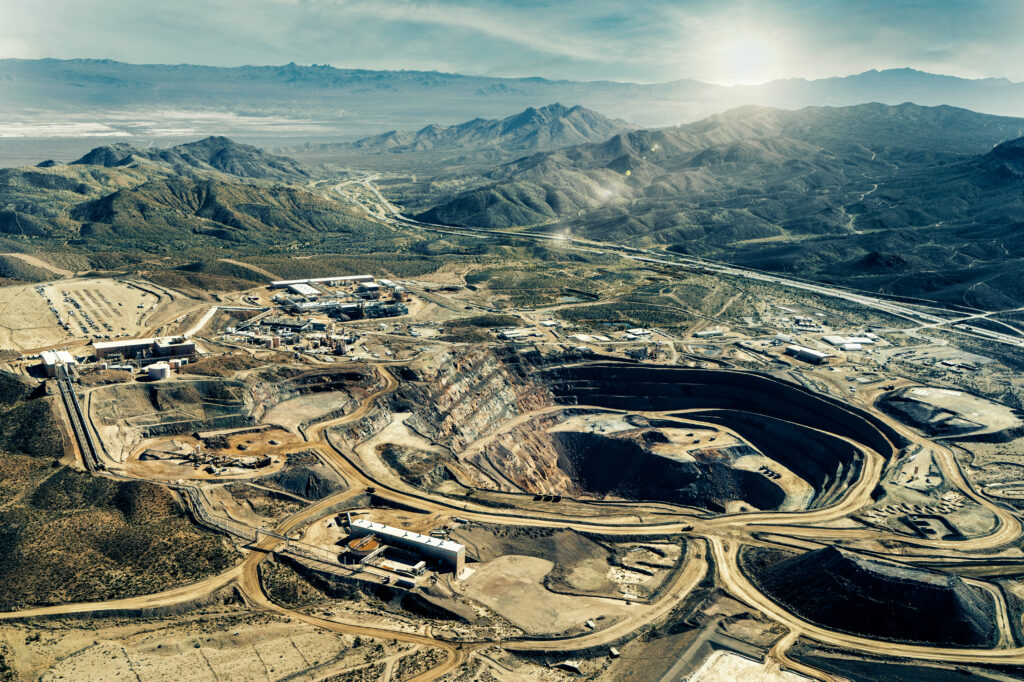
The U.S. currently has only one rare earth mine in full operation, Mountain Pass in California, which MP Materials owns. But mining is just step one. The real bottleneck is refining and converting raw minerals into high-purity materials that can be shaped into reliable, high-performance magnets.
This is where the Pentagon’s direct investment stands out. It’s an acknowledgment that market forces alone won’t deliver energy and defense resilience at the speed or scale required. Strategic supply must sometimes trump short-term cost savings.
What Comes Next for the Defense and Energy Sectors
In the short term, expect to see more direct government involvement in “dual-use” materials, those that serve civilian and military needs simultaneously. Advanced battery components, high-performance semiconductors, and rare earths all fall into this category.
For defense contractors, this shift will create opportunities to localize more of their supply chain and win government support for doing so. But it will also raise questions about cost, compliance, and environmental trade-offs that no company can ignore.
For energy firms, the link is equally critical. Any company claiming to drive the green transition must be prepared to show that its rare-earth supply is stable, transparent, and geopolitically resilient.
The bottom line is that these materials are no longer just an industrial commodity. They are a strategic asset and they will shape the energy-security nexus for decades to come.
Sources
Wall Street Journal, America’s Biggest Rare-Earth Producer Makes a Play to End China’s Dominance (https://www.wsj.com/business/us-rare-earth-producer-texas-58796240)
Axios, Boeing nabs $2.8 billion nuke communications contract (https://www.axios.com/2025/07/09/boeing-nc3-space-force-ess-contract)