
Something critical is brewing beneath the calm façade of global LNG markets—and it isn’t just about pipelines and pricing. It’s about geopolitical pressure points. This week, Qatar has quietly stepped into a crisis-mitigation role that could shape the trajectory of global gas flows for the months ahead.
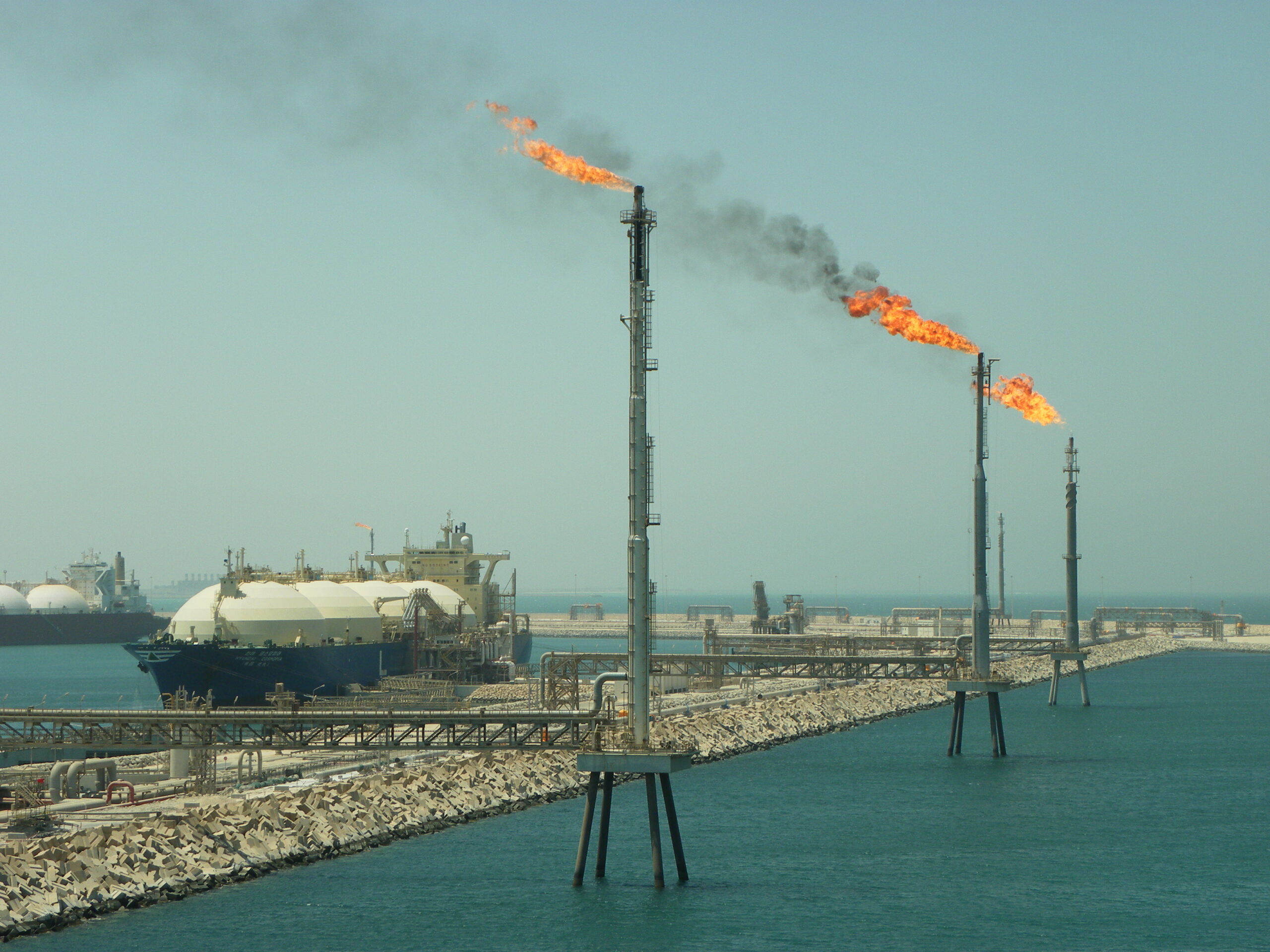
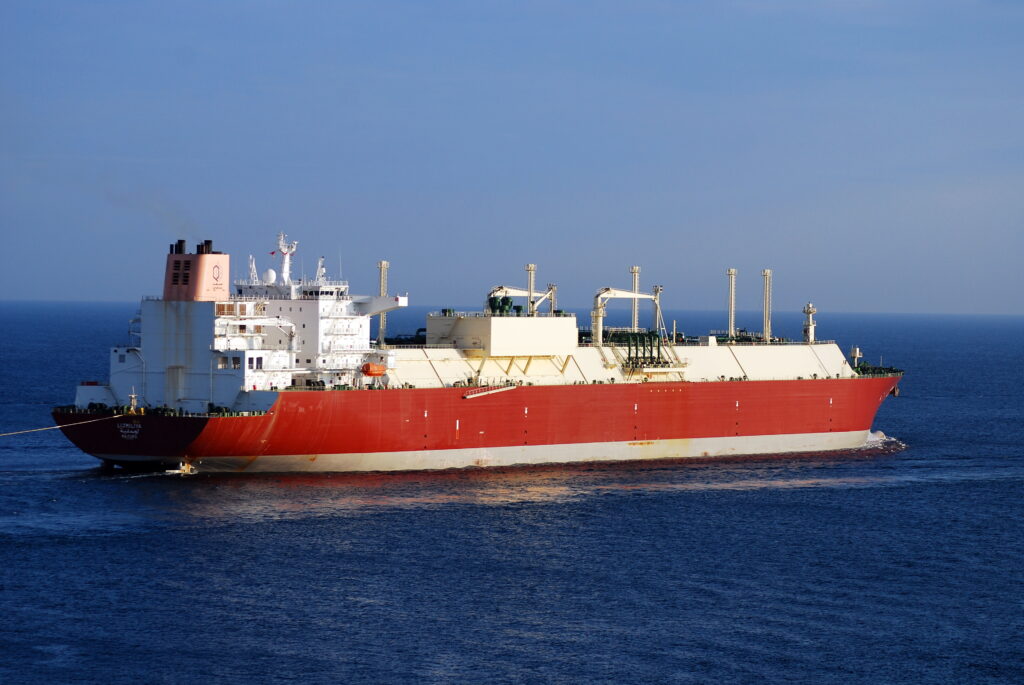
At the center of the storm is the offshore gas field shared between Qatar and Iran—known respectively as North Field (Qatar) and South Pars (Iran). Recent reports confirmed that Israeli military activity targeting Iranian energy infrastructure has led Qatar to initiate emergency-level discussions with major international energy companies operating in the Gulf.
A Strategic Flashpoint in the Gulf
Let’s be clear: the stakes are enormous.
Qatar is not just another LNG player. It supplies nearly 20% of the world’s liquefied natural gas, and is a cornerstone of Europe’s strategy to move away from Russian gas dependencies. The country’s proximity to Iran—and the shared ownership of the world’s largest gas field—makes it both a geopolitical buffer and a critical pressure valve.
The fact that Qatar called for private crisis consultations with energy majors suggests that the situation has surpassed the usual diplomatic alarm bells. While no infrastructure on the Qatari side has been damaged, the fear is contagion: escalation that spills across the maritime border or endangers regional LNG shipping lanes.
Especially troubling is the Strait of Hormuz—a chokepoint through which roughly one-fifth of global oil and gas shipments pass. Any disruption here—even short-term—would trigger price spikes, logistical rerouting, and potentially destabilize fragile LNG contracts with buyers in Europe and Asia.
Risk Beyond the Headlines
Most major news cycles are focusing on the military optics: drone strikes, Israeli warnings, Iranian retaliations. But the energy sector is seeing deeper tremors.
Behind the scenes, oil and gas companies are revisiting contingency plans. Traders are eyeing freight insurance spikes. Analysts are recalculating LNG futures in case the Persian Gulf sees even a symbolic blockade. And energy ministries across Europe are watching Qatar very, very closely.
For years, Qatar has positioned itself as a “neutral bridge” between the West and Iran—a careful diplomatic tightrope that has allowed it to do business on both sides. But this neutrality is now being tested. The shared nature of the gas field complicates everything: any retaliatory action by Iran could damage infrastructure linked to Qatari output—or vice versa.
Why This Moment Matters
The implications of this emerging crisis go far beyond the Israel–Iran conflict:
- Global LNG markets are already tight. With summer demand rising and European reserves being cautiously managed, any shock could ripple far.
- Qatar’s long-term LNG strategy is built on stability. Massive expansion plans (like North Field East and South projects) depend on maintaining confidence among foreign investors and shipping partners.
- Western reliance on Qatari gas is growing. Especially since the Ukraine war, EU energy strategies are more interlinked with Qatar than ever before.
The timing couldn’t be worse—or more revealing. A strategic energy supplier is now in the crosshairs of a regional confrontation it didn’t start, can’t fully control, and yet must carefully navigate.
At Drill & Defense, we believe this kind of hidden geopolitical tension—between infrastructure, diplomacy, and energy logistics—is where the real stories lie. Qatar is doing more than damage control. It’s trying to hold together an increasingly delicate balance that touches everything from LNG pricing to military policy.
The world should pay attention.
Sources