
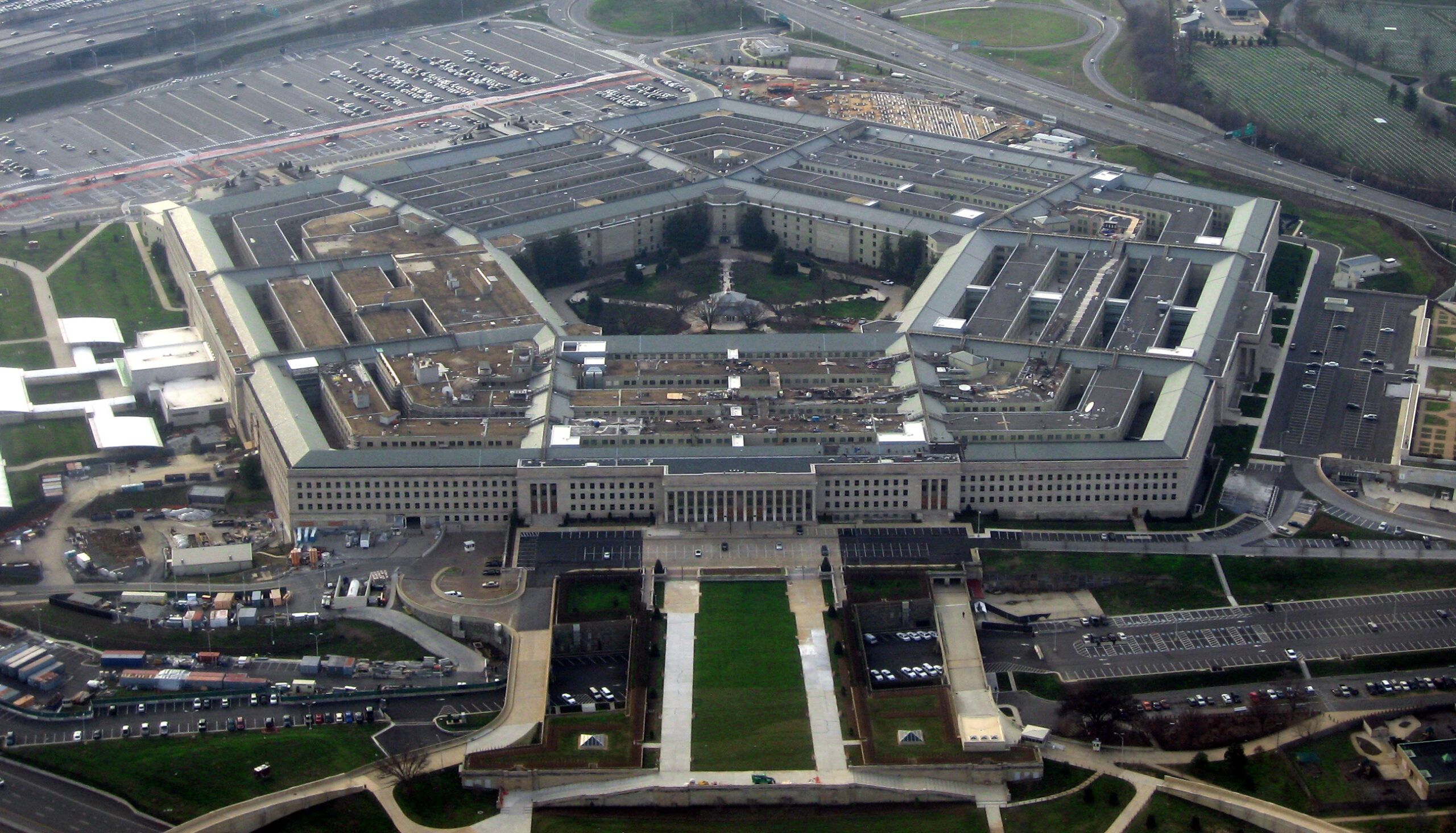
Let’s kick off with something that might surprise you: The Pentagon is stepping back from the conversation.

Recently, top military leaders were told not to attend public defense events or think-tank forums. At the same time, the Pentagon is reportedly closing down one of its oldest strategic offices, something called the Office of Net Assessment.
So, why does this matter? And what does it mean for defense thinking around the world? Let’s walk through it together.
What Was the Office of Net Assessment Anyway?
Back in 1973, the U.S. Department of Defense created the Office of Net Assessment. It sounds technical, but its job was simple: look ahead. Way ahead. Like, years or even decades into the future.
This office gave advice to the Secretary of Defense based on long-term strategy. It compared how the U.S. stacked up against other powers—militarily, politically, even economically. It was less about today’s threats and more about tomorrow’s big questions.
You could think of it like the Pentagon’s internal crystal ball.
The office brought in experts from outside the military too. Historians. Analysts. Tech people. That mix of minds helped them look at problems from angles generals alone might miss.
Now that it’s closing, some folks are asking: Who’s going to take the long view?
Why Cutting Off Outside Voices Raises Eyebrows
On top of closing that office, another change is happening. Senior military staff are being asked not to attend outside forums and conferences.
These events used to be where ideas were tested. Where people disagreed. Where allies aligned. Where private companies showed off new tech. They weren’t just meetings, they were the glue that kept the global defense conversation moving.
Without the U.S. military at the table, that conversation gets quieter.
And here’s the kicker: While the U.S. is pulling back, other countries—especially China—are showing up more. They’re making partnerships, launching programs, and listening closely. That gap could grow.
What’s Really Behind All This?
There’s no official memo explaining why all this is happening. Some say it’s just internal reshuffling. Others think it’s about keeping tight control over messaging.
There’s even talk that it’s political, that some in charge want fewer outside opinions muddying the waters.
But whatever the reason, it’s clear the Pentagon is becoming less open. Less curious. And maybe even a bit more cautious.
That might sound smart in theory. But history shows that when organizations stop listening, they start missing things.
What This Means for Allies Around the World
If you live in a country that works closely with the U.S., you’re probably used to seeing American military leaders at big defense summits. Their presence shows commitment. It helps shape plans. It reassures partners.
Now, imagine those seats are empty.
That shift might not seem huge at first. But over time, it could make allies rethink their strategies. Maybe they’ll look elsewhere for leadership. Maybe they’ll try going it alone.
In global security, silence doesn’t go unnoticed.
Why the Defense Industry Might Feel It Too
Let’s talk tech for a second.
When defense officials and private companies mingle at public events, ideas spark. Problems get solved. Deals are born.
That flow slows down when the two sides don’t talk.
If defense leaders stay behind closed doors, innovation might stall. Startups could feel shut out. And breakthroughs in areas like artificial intelligence or drone warfare might take longer to reach the battlefield.
It’s like trying to cook a new recipe without ever tasting the food.
Are We Losing the Big Picture?
This isn’t just about one office or a few canceled trips. It’s about how the U.S. plans for the future, and who gets to help shape that vision.
Since the Cold War, America’s defense strategy has benefited from outside voices. Scholars, critics, engineers, they’ve all played a part. Some ideas failed. Others changed history.
Now, it feels like those voices are fading.
And here’s a personal note: I once attended a defense conference where a retired general completely changed how I saw the future of cyber warfare. That moment stuck with me. It showed me that ideas matter, especially the ones that challenge the status quo.
If fewer of those moments happen, we all lose.
So, What Should You Take Away From This?
This is a moment to pay attention.
Whether you’re in the industry, part of an allied country, or just someone who cares about how peace is maintained, this change matters. The Pentagon is adjusting how it thinks, listens, and talks to the world.
That doesn’t mean disaster. But it does mean the world of defense might feel a little less connected. A little less collaborative. A little less forward-looking.
And if there’s one thing military history teaches us, it’s this: Tomorrow’s problems don’t wait for perfect timing.
Let’s keep asking questions. Let’s stay curious. And let’s not stop the conversation.
Sources:
- The Atlantic, “Pete Hegseth’s Pentagon Is Becoming a Bubble,” August 2025
- Center for Strategic and International Studies (CSIS), Civil-Military Relations Archives
- U.S. Department of Defense, Office of Net Assessment Historical Records