
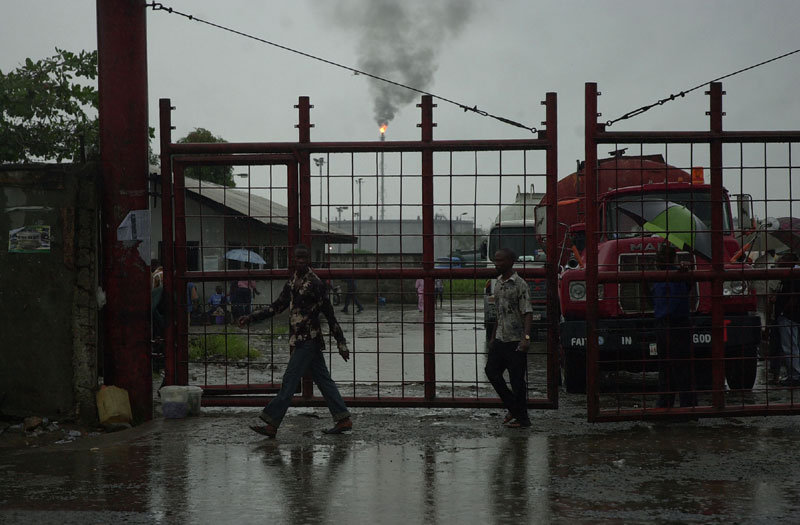
Introduction: The Energy Trilemma Unveiled

Imagine a nation endowed with abundant natural resources—oil, gas, sunlight—yet grappling with frequent power outages, energy poverty, and environmental degradation. This is the paradox of Nigeria, Africa’s most populous country and a significant player in the global energy landscape. At the heart of Nigeria’s energy challenges lies the “Energy Trilemma,” a concept encapsulating three core objectives: energy security, energy access (equity), and environmental sustainability.
Balancing these objectives is no small feat. Enhancing energy security often involves exploiting fossil fuels, which can undermine environmental goals. Expanding access to energy requires substantial infrastructure investments, which may strain financial resources. Pursuing sustainability necessitates a shift towards renewable energy, which can be hampered by technological and economic barriers.
In this blog post, we delve into Nigeria’s energy trilemma, exploring the current landscape, challenges, and potential pathways to a balanced and sustainable energy future.
Energy Security: A Double-Edged Sword
Nigeria’s energy security is heavily reliant on its oil and gas sector, which accounts for a significant portion of the nation’s revenue and foreign exchange earnings. However, this dependence has made the country vulnerable to various risks, including:
- Infrastructure Vulnerabilities: Aging infrastructure and inadequate maintenance have led to frequent power grid failures, resulting in economic losses estimated at $29 billion annually.
- Security Challenges: Oil theft, pipeline vandalism, and militant activities, particularly in the Niger Delta region, have disrupted production and deterred investment.
- Regulatory Uncertainties: Inconsistent policies and regulatory frameworks have created an unpredictable business environment, discouraging both domestic and foreign investors.
To bolster energy security, Nigeria has initiated several reforms, including the Petroleum Industry Act (PIA) of 2021, aimed at improving governance and attracting investment in the oil and gas sector.

Energy Access: Bridging the Gap
Despite its energy wealth, Nigeria faces significant challenges in providing universal access to electricity. Approximately 71% of the population lacks access to reliable power, particularly in rural areas.
Efforts to bridge this gap include:
- Decentralized Renewable Energy (DRE) Initiatives: The government has partnered with international organizations to deploy mini-grids and solar home systems, aiming to electrify underserved communities.
- Investment in Renewable Energy: Nigeria has secured a $200 million deal with WeLight to develop renewable mini-grids, targeting improved electricity access for millions in rural areas.
- Policy Frameworks: The Renewable Energy Master Plan (REMP) seeks to increase the share of renewable electricity from 13% in 2015 to 23% by 2025.
However, challenges persist, including inadequate financing, lack of technical expertise, and limited infrastructure to support renewable energy integration.
Environmental Sustainability: A Pressing Concern
Nigeria’s environmental sustainability is compromised by its heavy reliance on fossil fuels, leading to significant greenhouse gas emissions and environmental degradation. Key issues include:
- Gas Flaring: Despite regulations, gas flaring remains prevalent, contributing to air pollution and climate change.
- Deforestation: Dependence on biomass for cooking fuel has led to widespread deforestation, impacting biodiversity and carbon sequestration.
- Water Pollution: Oil spills and industrial waste have contaminated water sources, affecting both human health and aquatic ecosystems.
To address these concerns, Nigeria has committed to achieving net-zero emissions by 2060 and is implementing initiatives such as the Nigerian Gas Flare Commercialisation Programme (NGFCP) to reduce gas flaring.
Navigating the Trilemma: A Path Forward
Balancing the energy trilemma requires a multifaceted approach:
- Integrated Energy Planning: Developing comprehensive energy plans that consider security, access, and sustainability objectives.
- Policy and Regulatory Reforms: Establishing clear, consistent, and supportive policies to attract investment and promote renewable energy development.
- Infrastructure Development: Investing in modernizing the power grid and expanding renewable energy infrastructure to enhance reliability and coverage.
- Capacity Building: Enhancing technical and managerial skills within the energy sector to support the deployment and maintenance of energy systems.
- Community Engagement: Involving local communities in energy projects to ensure their needs are met and to foster ownership and sustainability.
Conclusion: Embracing a Sustainable Energy Future
Nigeria stands at a critical juncture in its energy journey. By embracing integrated strategies that address the energy trilemma, the nation can unlock its energy potential, improve the quality of life for its citizens, and contribute to global efforts to combat climate change. The path forward demands collaboration, innovation, and unwavering commitment to building a resilient and sustainable energy future for all Nigerians.
Sources
- Vanguard Nigeria – Nigeria’s Energy Trilemma: Efforts of the Government, Industry Players, IOC and Local Security Companies
- Reuters – Nigeria Strikes $200 Million Deal to Power Rural Areas with Renewable Mini Grids
- World Economic Forum – How Nigeria Is Tackling Barriers to Its Green Energy Transition
- SEforALL – $500 Million DRE Nigeria Fund Announced
- IEA – Nigeria Renewable Energy Master Plan
- Climate Policy Initiative – Landscape of Climate Finance in Nigeria 2025
- Rural Electrification Agency – The Master Plan
- A&O Shearman – Nigeria’s Energy Transition