
Mexican cartels have long been associated with narcotics trafficking and territorial violence, yet over the past decade another sector has quietly moved into their strategic horizon: the petroleum supply chain. What began as opportunistic fuel theft has developed into a complex, high-value ecosystem that touches production sites, transport routes, storage facilities, and even cross-border trade mechanisms. As this evolution accelerated, the lines separating licit and illicit economic activity became increasingly fluid, and Mexico’s energy sector started reflecting a deeper national struggle involving corruption, institutional resilience, and competition over strategic resources.

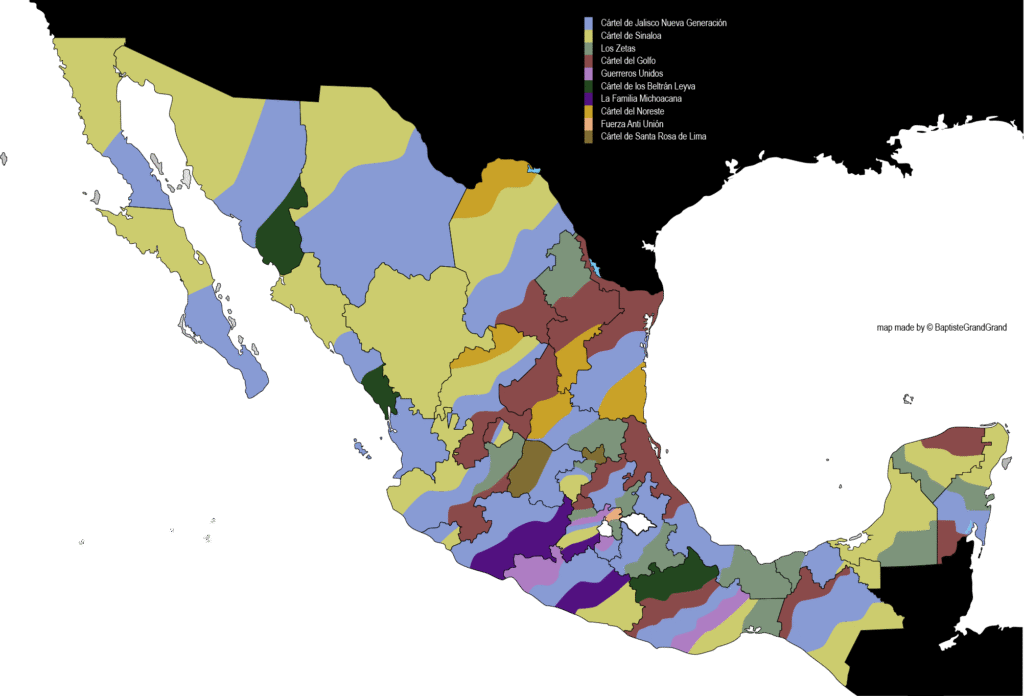
Fuel theft, known locally as huachicol, is no longer a side activity carried out by small groups. International research points to sophisticated networks embedded within the national supply chain, involving cartels such as the Jalisco New Generation Cartel, Santa Rosa de Lima Cartel, Gulf Cartel, and remnants of Los Zetas. These groups have diversified their revenue streams as narcotics routes faced changing enforcement patterns and market volatility. Fuel, by contrast, offers steady domestic demand, predictable distribution channels, and an opportunity to exploit regions where the infrastructure is both extensive and difficult to secure.
The transformation of fuel theft into an organized industry
Early fuel theft typically involved drilling improvised taps into pipelines, stealing modest quantities of gasoline or diesel, and reselling them locally. This practice has grown into a billion-dollar criminal enterprise. Independent international analyses show that the scale of illegal siphoning from Pemex pipelines increased exponentially as cartels recognized the logistical weaknesses of the system. In parallel, corruption within certain local and regional structures created pathways for criminal groups to gather intelligence, avoid detection, and integrate stolen products into the broader market.
This shift also reflects a calculated economic move. Oil and fuel are easier to monetize locally than cocaine or synthetic drugs, and they do not require international trafficking routes. A few hours of uninterrupted pipeline access can yield tens of thousands of liters. Reports indicate that criminal groups sometimes operate with specialized drilling teams, engineers, and fleets of tanker trucks disguised as legitimate transporters. These networks not only steal fuel but also shape local economies by feeding low-priced gasoline into informal or semi-formal markets.
Control over supply chain nodes
Organized crime groups influence different stages of the supply chain through varying degrees of control and coercion. In upstream regions, where extraction and initial storage occur, criminal pressure often takes the form of extortion or forced taxation. Workers at facilities have reported threats when attempting to inspect or repair compromised infrastructure. While cartels rarely operate extraction wells directly, they exert territorial control over road access, storage depots, and rural pipelines.
At the midstream level, their influence is most visible. Thousands of illegal taps are discovered annually across the country. Some sites include underground tunnels, camouflage structures, or concealed valves connected to improvised distribution hubs. In certain regions, tanker traffic is monitored by cartel lookouts who track police movements and coordinate safe routes for smuggled fuel. There have also been cases where full tanker trucks are hijacked, emptied, and released, creating further challenges for security forces attempting to secure transport corridors.
Downstream, cartel-linked networks penetrate informal fuel stations and industrial buyers. Some unregistered gas stations have been documented selling fuel at prices far below official market rates, a clear indication that stolen or smuggled fuel has entered the supply chain. Additionally, agricultural and transportation sectors, both heavily dependent on diesel, represent consistent demand sources that criminal networks exploit by offering low-priced alternatives with minimal oversight.
Smuggling, misclassification, and international dimensions
One of the most significant developments in recent years involves cross-border fuel smuggling. Independent investigations in the United States and Canada show that cartels and associated criminal structures have engaged in importing fuel under falsified documentation, often misclassifying refined product as lubricants or industrial chemicals to evade taxes and controls. Once inside Mexico, these fuels can circulate through networks controlled by organized crime or be re-exported illicitly for profit.
In the opposite direction, stolen crude and refined fuels have been moved toward the United States through intermediaries who disguise origin or ownership. This practice creates complications for regulatory bodies on both sides of the border, as illicit fuel can undermine legitimate markets, distort pricing, and weaken public trust in enforcement systems. International authorities have carried out sanctions and enforcement actions against individuals and entities connected to cartel-linked fuel smuggling, underlining that this issue extends far beyond Mexico’s internal security.
Economic strain and security implications
The financial consequences of fuel theft and smuggling are substantial. Lost public revenue reaches billions of dollars annually, reducing resources available for infrastructure, health services, and social programs. In addition, illicit fuel operations fuel local corruption, as bribery is often used to secure insider information, modify inspection schedules, or bypass customs controls.
There is also a significant human and environmental cost. Illegal taps frequently trigger leaks or explosions. One of the most severe incidents widely covered by the international press involved a catastrophic pipeline explosion that caused heavy casualties after residents gathered to collect leaking fuel. Such tragedies highlight the broader risks associated with allowing criminal groups to manipulate critical infrastructure.
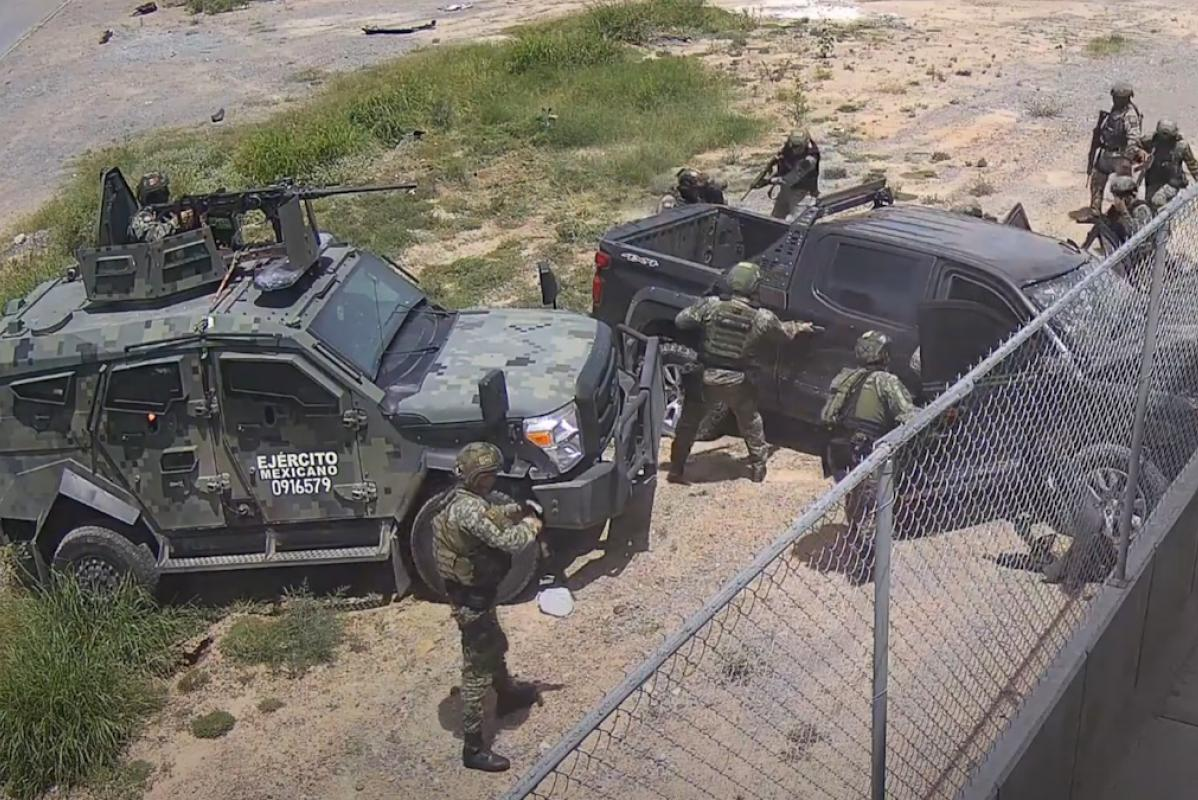
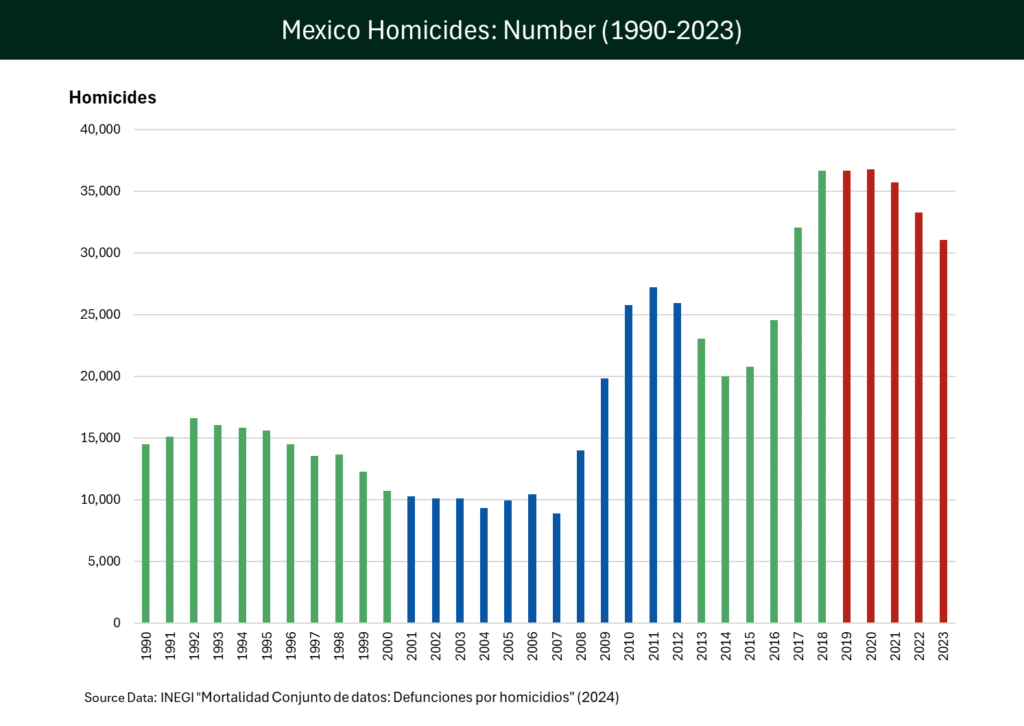
Meanwhile, violence surrounding the control of fuel routes continues to escalate. Cartels invest in defending access points, monitoring rival movements, and intimidating communities. In some regions, competition over huachicol routes has produced levels of violence comparable to major narcotics trafficking corridors.
Government response and structural challenges
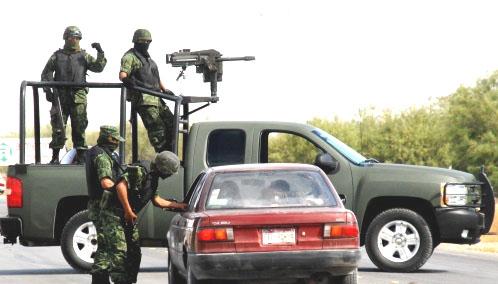
The Mexican government has implemented a multi-layered response. Military and federal forces now guard stretches of high-risk pipelines, while technological systems have been upgraded to monitor pressure changes and detect illegal taps more quickly. National authorities have introduced regulations aimed at ensuring traceability of fuel imports, and several criminal operations have been dismantled through cooperation with international partners.
However, systemic challenges remain. Enforcement operations often push criminal groups to adapt their methods rather than abandon the trade. Deep-rooted corruption complicates the work of federal institutions, as does the economic incentive for local communities who benefit financially from illicit fuel purchases or cartel payments. Without broader structural reforms, including economic alternatives for affected regions, institutional strengthening, and cross-border intelligence cooperation, the long-term trajectory of cartel involvement may continue to evolve rather than recede.
The intersection of energy security and organized crime
The growing cartel presence within Mexico’s energy ecosystem illustrates a larger global issue. Energy security is no longer determined solely by production capacity or international markets. It also hinges on the capacity of states to protect infrastructure, regulate trade, and sustain public trust. Mexico’s case shows how organized crime can take advantage of structural weaknesses to embed itself into legitimate sectors, creating parallel markets that compete with and sometimes mimic official systems. This dynamic affects economic stability and challenges governance frameworks responsible for protecting national energy sovereignty.
References
FTI Consulting, Fiscal Fuel Theft and the Mexican Overview (2025)
Small Wars Journal, Mexico’s Transnational Fuel Theft Networks (2025)
Atlas Institute, Fuel Theft and Security Risks in Mexico’s Energy Supply Chain (2025)