
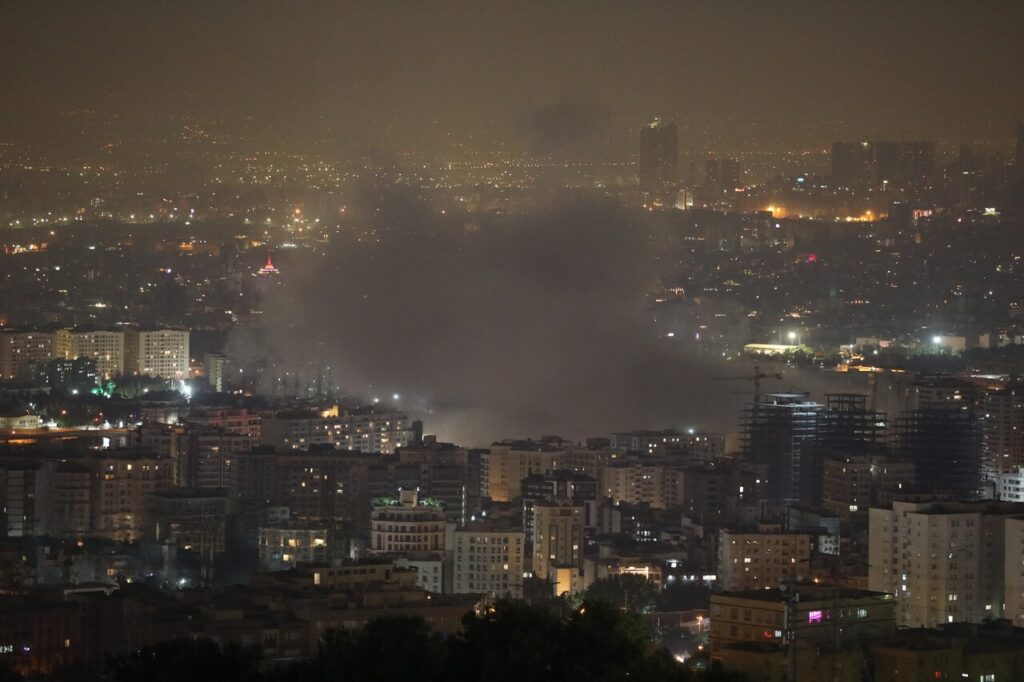
Since June 13, 2025, the skies above the Middle East have witnessed a dramatic escalation: Israel has launched extensive airstrikes against Iran’s nuclear and military infrastructure—targeting high-value installations such as Natanz, Fordow, ballistic missile silos, IRGC command centers, and Tehran’s state TV compound.

Israel’s Air Superiority & Strategic Depth
Analysts now confirm that the Israeli Air Force has achieved a dominant position over Iranian airspace. Using stealth-modified F‑35I fighters, supported by a network of deep-cover intelligence and covert drone missions inside Iran, Israel struck over 100 critical sites with more than 330 munitions in a coordinated campaign. These strikes deliberately avoided deeply buried facilities like Fordow—likely due to limitations in bunker-buster capability without allied assistance.
Moreover, Mossad’s clandestine drone bases within Iran played a vital role, disrupting missile silos before the main air assault—marking a significant milestone in hybrid warfare tactics.
Iran’s Retaliation: Ballistic Strikes & Drone Waves
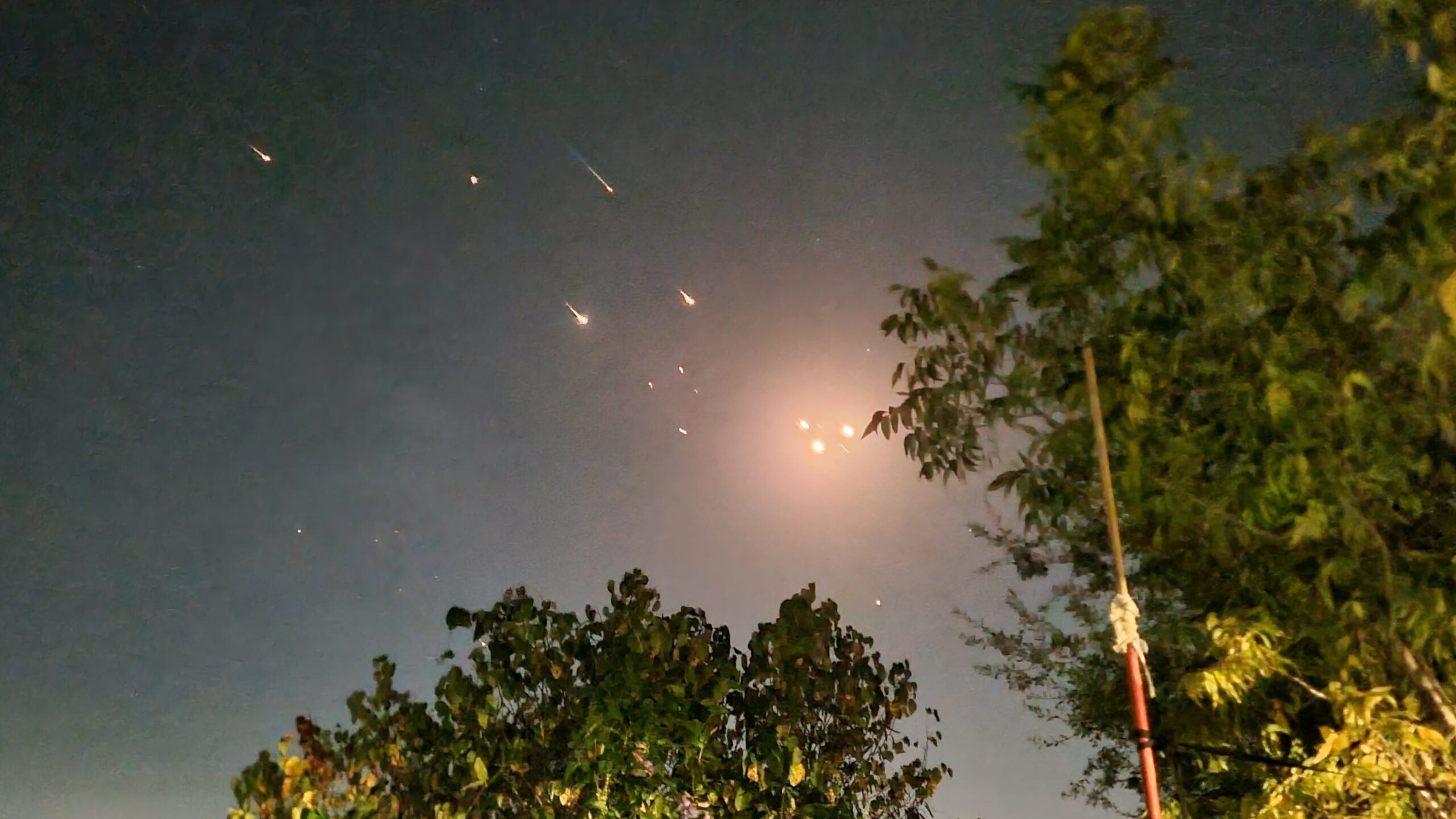
Tehran responded promptly, unleashing waves of ballistic missiles and drones toward Israel. These attacks caused civilian casualties and damage in cities like Tel Aviv and Jerusalem, and Israel intercepted dozens of incoming threats. Despite robust air defenses, a number of these projectiles penetrated and struck residential zones .
Intelligence assessments suggest Iran has already expended 30–50 % of its long-range missile arsenal, while Israel similarly degraded Iranian missile infrastructure by about one-third.
US & Allied Strategic Posture
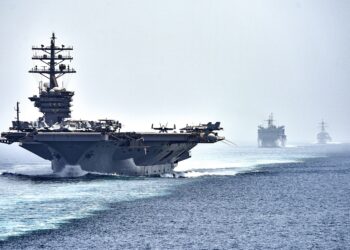
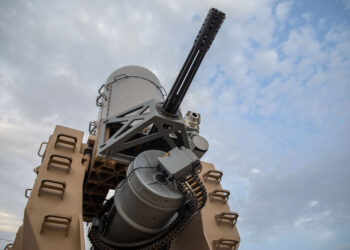
The U.S. has shifted into a defensive posture, deploying additional fighter jets (F‑16, F‑22, F‑35), tankers, naval vessels, and ground-based air defenses to the Eastern Mediterranean and the Middle East—designed primarily to shield American forces and deter spillover.
Former President Trump has publicly stated that the U.S. “fully controls” Iranian airspace and has demanded Iran’s unconditional surrender—while dodging engagement with the regime’s top leadership. At the G7, he abruptly returned from discussions, signaling a possible ramp-up in U.S. involvement if the conflict breaches American assets. Meanwhile, the UK has positioned Eurofighter Typhoons and Royal Navy ships—and advised British citizens to avoid travel to Israel—marking a serious elevation of European stakes.
Industry & Global Impact
- Energy Markets: West Texas & Brent crude initially spiked nearly 3%, before stabilizing, amid shipping risk in the Strait of Hormuz.
- Defense Budget & Policy: The crisis now fuels conversations within NATO and G7 clusters about rapid response capacity, missile defense deployment, and resilience of critical infrastructure.
- Diplomatic Risks: International agencies—including the IAEA—have expressed concern over nuclear site integrity (Natanz, Fordow), hinting at radiological spillover. Simultaneously, coordinated diplomatic appeals from the EU, UN, Russia, and China are escalating.
Reader Engagement
What’s your perspective on these developments? Consider these questions as you reflect:
- Is Israel’s blend of covert drone sabotage and overt air strikes setting a new standard for integrated military operations?
- Can Iran sustain a prolonged missile exchange, or will its capacity be rapidly eroded?
- How might U.S. and European military deployment signal a turning point in Western involvement?
- What are the long-term implications for nuclear nonproliferation and IAEA oversight in conflict scenarios?
We invite your thoughts in the comments below. Stay tuned as we continue to analyze how this aerial conflict shapes defense strategy and global security posture.
Sources
- Reuters: Israeli air superiority, U.S. deployments, mapping of strikes and missile exchanges
- The Guardian / Reuters: Trump demands, Iran civilian impacts, diplomatic movements
- Business Insider/Reuters: Oil price volatility, energy market pressures