
Written by Ido Kalev

The best way to deal with a hostile force is to prevent it from attacking us in the first place. Build a reputation as someone who is a bit “crazy” and whom no one should take on, otherwise they will lose. If your enemy is not sure what will happen if they take you on, they will not want to find out. Play on their fears and make them think twice before doing something.
From a broad strategic perspective, the best way is to take risky, unexpected, and bold action. If the enemy thought you were vulnerable, you show them that you are fearless and confident by doing so. This way, they may start to see strengths in you that they never imagined they would see. Another way is to reverse their threat. If the enemy sees you as someone to bully, take a sudden step, even a small one, to scare them. Hit them where you feel they might be vulnerable, and make it hurt.
As Sun Tzu wrote in the fourth century: “When opponents are unwilling to fight you, it is because they think it is against their interests, or because you have deceived them into thinking so.”
Hezbollah Pager Explosion
The sophisticated operation, which took a decade to plan, dealt a severe blow to Iran’s most powerful branch in Lebanon. The attack severely damaged Hezbollah’s logistical capabilities and broke the fighting spirit of its operatives. It also left the Iranian-backed organization with the burden of caring for thousands of wounded who require ongoing medical care.
A representative for Hezbollah’s wounded association told the Associated Press that none of the casualties had “fully recovered.”
The organization, which had been firing rockets into Israel almost daily for nearly a year before the beeper attack as part of its support for Hamas, admitted that most of the casualties were fighters or personnel. However, dozens of civilians were also injured, mostly relatives of members of the organization or employees of institutions affiliated with it.
The Preparations
The radio detonation had been planned for about ten years.
In 2018, an Israeli Mossad intelligence officer devised a plan that would use a similar technique to implant explosives into a pager battery. The Mossad realized that Hezbollah was interested in purchasing new pagers for its personnel. As a result, the Mossad developed a sophisticated pager-trapping program, which was first tested on dummies to ensure that the attack would only occur on the person holding the pager.
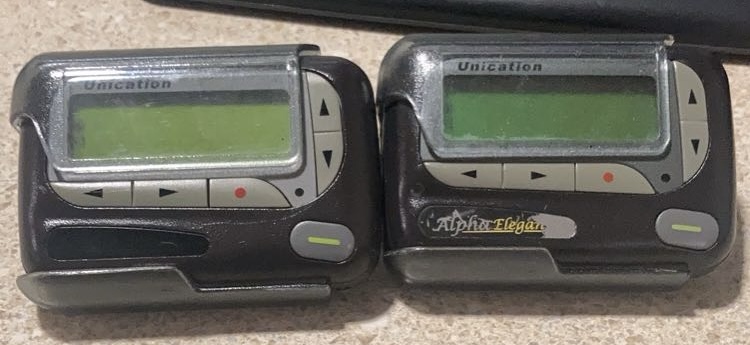
BAC, the Hungarian company that manufactured the pagers, was established in May 2022 with the aim of manufacturing explosive devices and delivering them to Hezbollah operatives. The first shipment of 500 pagers arrived in Lebanon a few weeks before the October 7 massacre. The total explosives contained in all the pagers and radios together did not exceed the equivalent of one standard mine.
The radio operation was planned about a decade ago. There were elements who wanted to launch the operation at the beginning of the war, but in such a case only about a tenth of the damage caused by the pagers would have been achieved and about half of the damage caused by the radios that eventually exploded.
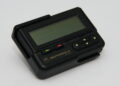
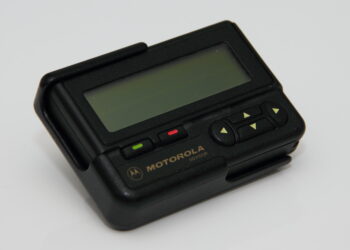
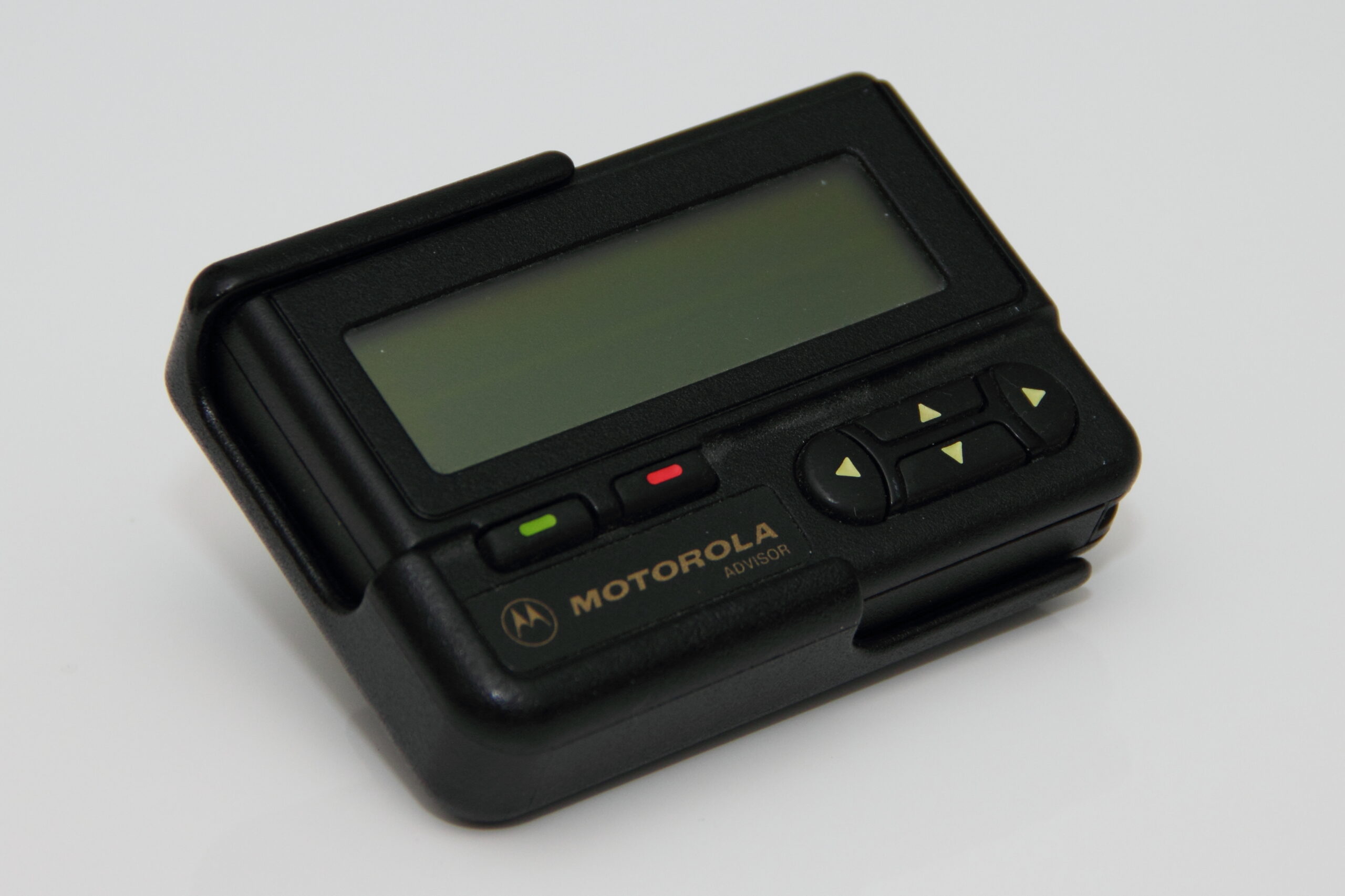
Before the pager explosion was launched, Hezbollah had about 5,000 AR-924 Rugged pagers from the Taiwanese company Gold Apollo, which were manufactured under license by the Hungarian company BAC, which is essentially a shell company (along with other shell companies that Israel established).

This model is larger and heavier than the original device made by the Taiwanese parent company. However, the Hungarian company promised an upgraded device with improved capabilities, such as a long battery life of 85 days on a single charge and water and dust resistance compared to the original model.
To this end, fake advertisements and positive reviews were produced online to create an appearance of credibility. These publications also aroused interest among customers not affiliated with Hezbollah. To discourage these customers from purchasing the pagers, they were offered high and unattractive prices, while Hezbollah received offers at particularly tempting prices.
The Mossad used the original Gold Apollo saleswoman (apparently without her knowing that she was working for Mossad). Initially, 16,000 booby-trapped radios were sold to Hezbollah, but since the radios are only used on the battlefield, production of the pager that Hezbollah operatives would carry regularly began in 2022. By the time the detonation mechanism was activated in September 2024, 5,000 pagers had been sold to Hezbollah.

Hezbollah chose to use pagers to transmit messages to the organization’s operatives, thinking that this was an encrypted and more secure way to transmit messages compared to cellular devices. Pagers do not return location and do not have a camera. The device was “dumb” and was not used to track Hezbollah operatives, but only to receive text messages and carry a few grams of explosives.
Israel’s security establishment sought to blow up the radios as part of the launch of a campaign against Hezbollah on October 11, 2023, after the terrorists had equipped themselves with the devices. The Prime Minister opposed launching a broad campaign against Hezbollah at that time. He stopped the launch of the campaign and the explosions of the radios. The decision was made, among other things, due to concerns that the explosives would be exposed by Hezbollah.
In early August 2024, Hezbollah sent the devices for testing in Iran. As a result, Israel killed a senior Hezbollah official who led the test, along with another operative who was with him, in order to obscure the purpose of the killing. However, the devices were still sent for testing.
There are differences of opinion and speculation regarding the damage that would have been caused by activating the first plan. Throughout the war, thousands of additional pagers were sent to Hezbollah, but on the other hand the explosion of the radios that were stored in warehouses in the second wave had a lesser effect than their explosion would have had in an earlier stage.
The Explosions
Starting on September 17 in the afternoon (3:30 PM), and for about half an hour, thousands of devices exploded across Lebanon and Syria. Thousands were injured in Dahiyeh in Beirut, the capital of Lebanon, and in other areas of Lebanon, including Mount Lebanon and the southern border with Israel.
The explosions caused widespread panic. Documentation that was distributed in the first hours of the event indicated confusion and shock among the public in Lebanon and Syria, and in Hezbollah in particular. Hospitals that treated the wounded called on the public to donate blood. Some hospitals did not open their doors for fear of another specific attack against Hezbollah operatives who were evacuated to the hospitals. At least 13 people were killed and another 4,000 were injured, at least 400 of them seriously to fatally, as a result of the bomb blasts in Lebanon. Bomb blasts also exploded in Syria. Mojtaba Amani, the Iranian ambassador to Beirut, was injured in the attack while in Syria, losing one of his eyes and leaving the other eye significantly damaged and dysfunctional.
In addition, according to reports in Syria, 7 Hezbollah commanders were killed and 19 Islamic Revolutionary Guard Corps soldiers were killed. Mehdi Amar, the son of a Hezbollah member of the Lebanese parliament, Ali Amar, was killed. A 10-year-old girl, the daughter of a Hezbollah operative, was also among the dead. On that day, at least 39 people were killed in Lebanon and Syria.
After the incident, it was reported that about 6 grams of the deadly PETN explosive had been inserted into the battery, along with an ignition strip that served as an explosive.

The battery looked like a regular lithium battery on the outside, with the inscription “made in China” and no manufacturer’s name. However, the LI-BT783 model does not actually exist on the market. In order to give the model credibility, fake online stores were set up, web pages were created, and even conversations took place on professional forums that praised the model and the battery in order to create a fake history for it.
On the website of the parent company “Gold Apollo” from Taiwan, the pager was presented under the name AR-924 and described as an innovative product offering a unique battery with a charging time of up to 85 days.
The PETN explosive is metal-free and is therefore more difficult to detect in airport security systems. Lebanese sources confirmed to Reuters that Hezbollah had checked the pagers with scanners at Beirut airport to make sure they were not rigged, but failed to detect the explosives. The explosives were planted in the devices several months before they were handed over to the organization.
Following the events, the Lebanese Ministry of Health called on citizens to get rid of such devices.
It was reported that the subpoenas were designed in such a way that in order to receive a message that was considered confidential it was necessary to use both hands, thus ensuring that the recipients’ competence was impaired. The message was sent to activists, and when they opened it this led to the device exploding. In subpoenas where the messages were not opened after half an hour, the detonation mechanism was activated automatically.
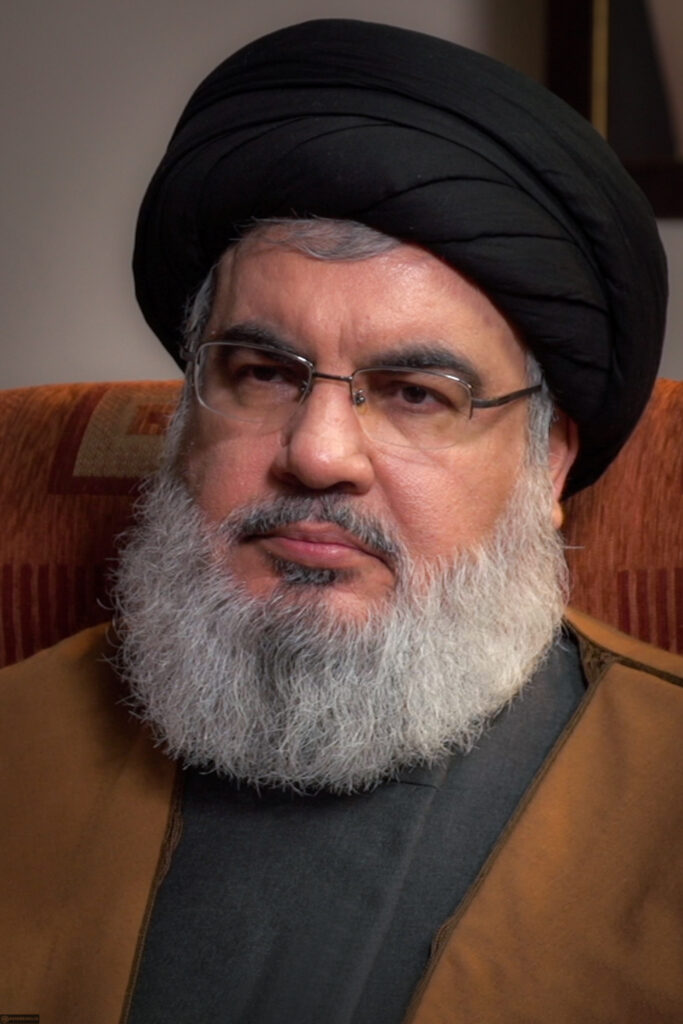
There are unsubstantiated rumors that Nasrallah witnessed the injury of senior Hezbollah officials who were near him as a result of the subpoena explosion. Jawad Nasrallah, son of Hezbollah Secretary-General Hassan Nasrallah, revealed in an interview that the subpoena attack caused his father “great sorrow” and had a dramatic impact on him. Hassan Nasrallah himself referred to the attack as “an unprecedented blow in the history of the resistance in Lebanon.”