

Written by Ido Kalev

The global system is often described through the language of markets, diplomacy, and military power. Analysts debate the balance of power between states, the rise and decline of great powers, and the shifting dynamics of international alliances. Yet beneath these visible layers lies a deeper and more structural reality.
The modern international system depends on a vast but often invisible infrastructure through which trade, energy, and information move across continents. Maritime routes, logistical networks, energy corridors, and digital connectivity form the underlying architecture that sustains global economic activity and geopolitical influence. These networks rarely appear at the center of public debate. Instead, they operate quietly in the background, enabling the movement of goods, resources, and capital across vast distances.
But when these systems are disrupted, whether by conflict, political instability, or economic competition, their strategic importance becomes immediately visible. Globalization did not eliminate geography. In many ways, it intensified its significance. While production networks span continents and financial flows move at digital speed, the physical movement of goods still depends on specific maritime routes, strategic ports, and a limited number of geographic chokepoints.
These locations concentrate a significant share of global trade and energy transport into narrow corridors that link production centers to consumer markets. As a result, the stability of the global economy increasingly depends on the resilience of these critical pathways. Understanding the international system therefore requires more than observing political events or diplomatic tensions. It requires examining the structural infrastructure that enables the world economy to function.
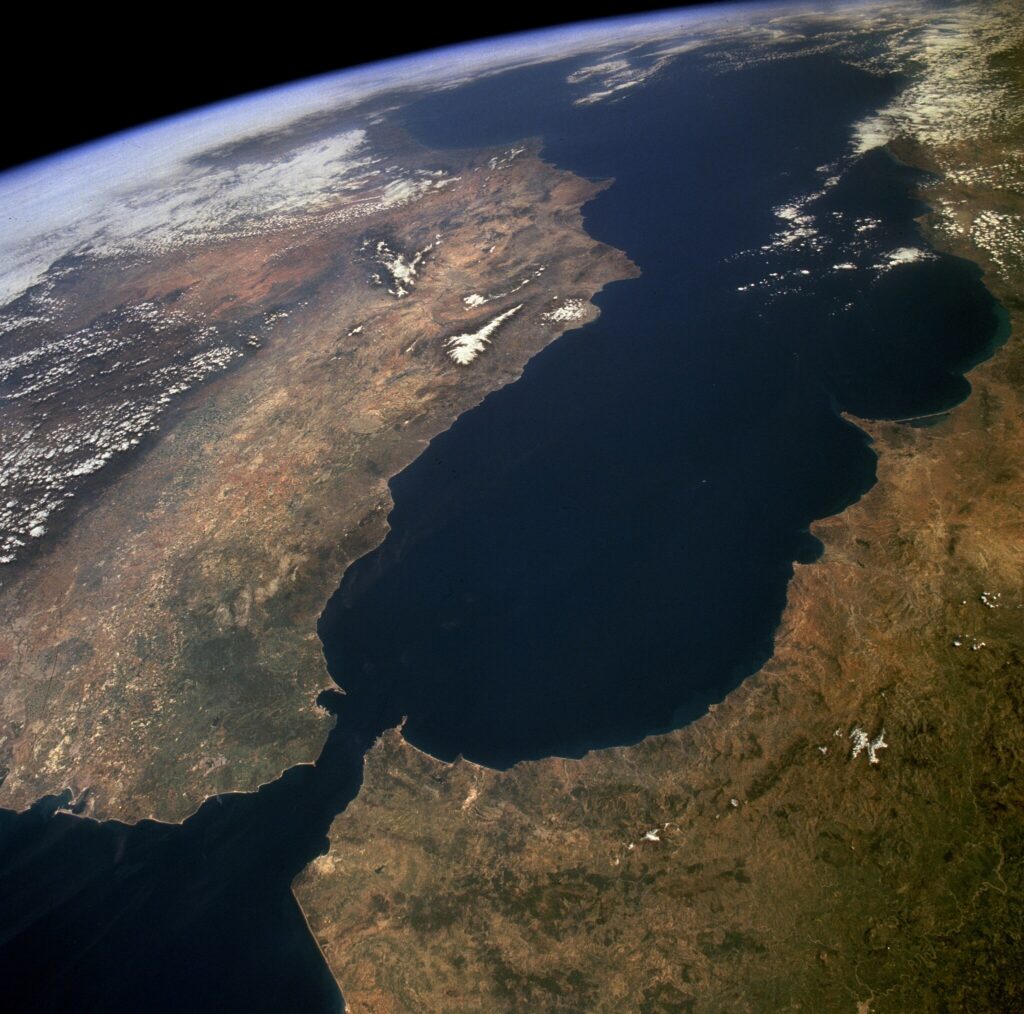
The emerging geopolitical landscape is not defined solely by territorial expansion or military dominance. Instead, it increasingly revolves around connectivity: the ability to build, secure, and influence the corridors through which the global system moves. From maritime trade routes to energy transit points and emerging infrastructure initiatives, the architecture of global connectivity has become one of the defining strategic arenas of the twenty-first century.
This paper examines that architecture. It explores how global trade routes concentrate power in a limited number of maritime chokepoints, how energy flows create strategic dependencies across regions, and how competing infrastructure initiatives are reshaping the geography of international connectivity. Together, these elements reveal a deeper transformation taking place beneath the surface of global politics.
Maritime Trade and the Circulatory System of the Global Economy
Global trade depends overwhelmingly on the sea. Despite the rapid development of digital economies, aviation logistics, and advanced supply chain technologies, the physical movement of goods still relies primarily on maritime transportation. Today, more than eighty percent of global trade by volume moves across oceans through an intricate network of shipping routes that connect production centers, industrial hubs, and consumer markets across continents.
This maritime system functions as the circulatory network of the global economy. Container ships transport manufactured goods from Asian industrial centers to markets in Europe and North America. Energy carriers move crude oil, liquefied natural gas, and refined petroleum products from resource-rich regions toward energy-importing economies. Bulk carriers deliver raw materials such as iron ore, coal, and grain across vast distances to sustain industrial production and food supply chains.
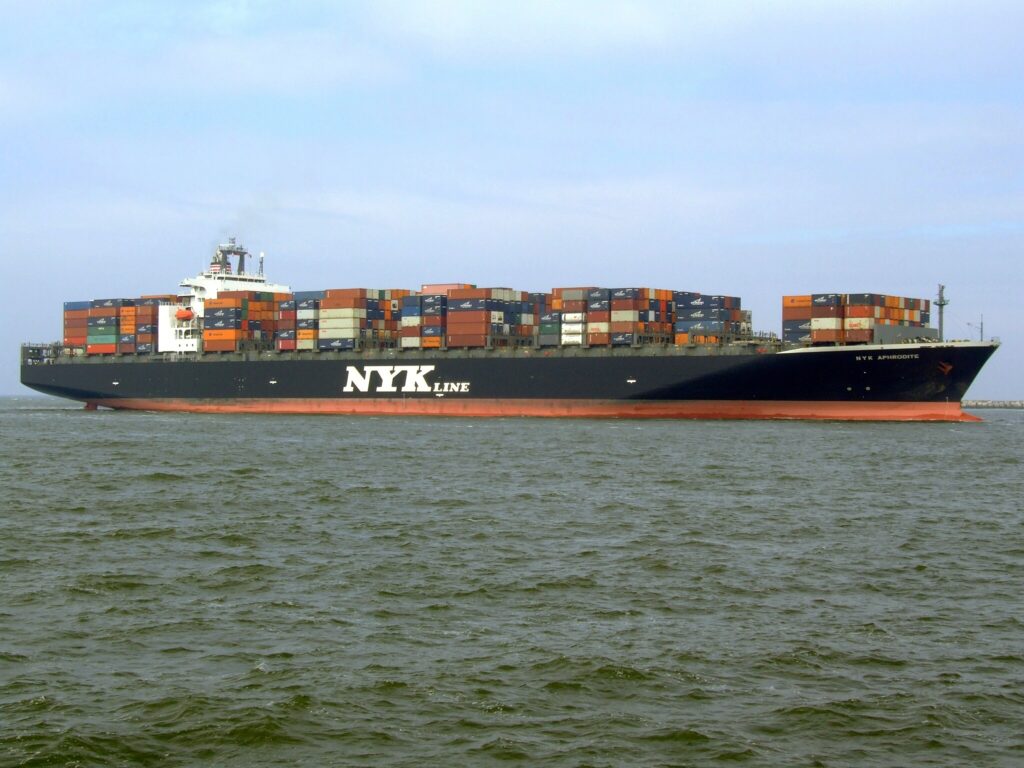
What makes this system remarkable is not only its scale, but its concentration. Although global trade spans every ocean, the majority of maritime traffic flows through a relatively limited number of highly trafficked routes. These corridors link the world’s primary manufacturing regions, particularly East Asia, with the major consumption markets of Europe and North America. As supply chains expanded during the decades of globalization, these routes became increasingly optimized for efficiency, speed, and cost reduction.
However, this optimization has also produced structural vulnerabilities. Because shipping networks rely on predictable routes and centralized logistics hubs, disruptions in key maritime passages can have cascading effects across the global economy. Delays in major ports, congestion in narrow waterways, or security risks along shipping lanes can interrupt supply chains that span multiple continents.
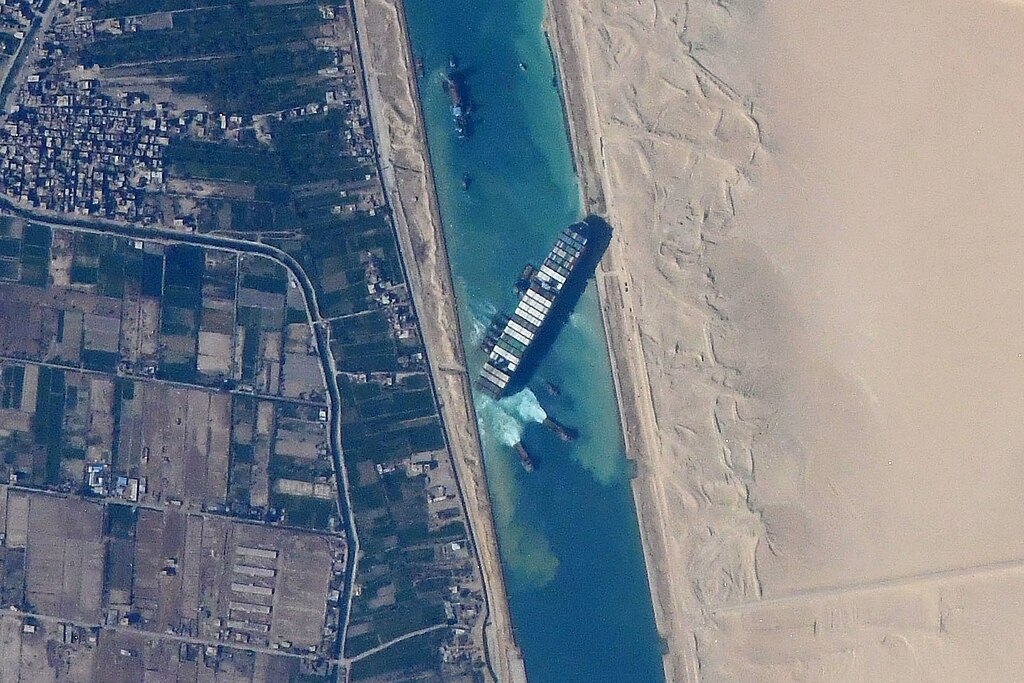
This structural reality became visible in several recent crises. The temporary blockage of the Suez Canal in 2021 demonstrated how a single incident in a narrow waterway could halt billions of dollars in daily trade. Similarly, tensions in the Red Sea and disruptions around strategic maritime chokepoints have repeatedly highlighted the fragile equilibrium on which global supply chains depend.
Behind every shipping route lies a geographic constraint. Maritime trade does not move freely across open oceans; it must pass through narrow passages that connect major seas and basins. These passages, often called chokepoints, function as gateways through which enormous volumes of trade and energy transit each day.
Maritime Chokepoints and the Concentration of Global Trade
Global trade does not move freely across the oceans. Although maritime transportation connects every continent, the movement of goods and energy across the global economy is funneled through a limited number of narrow geographic passages known as maritime chokepoints. These locations function as strategic gateways between major seas and shipping corridors, concentrating an enormous share of global trade into highly constrained routes.
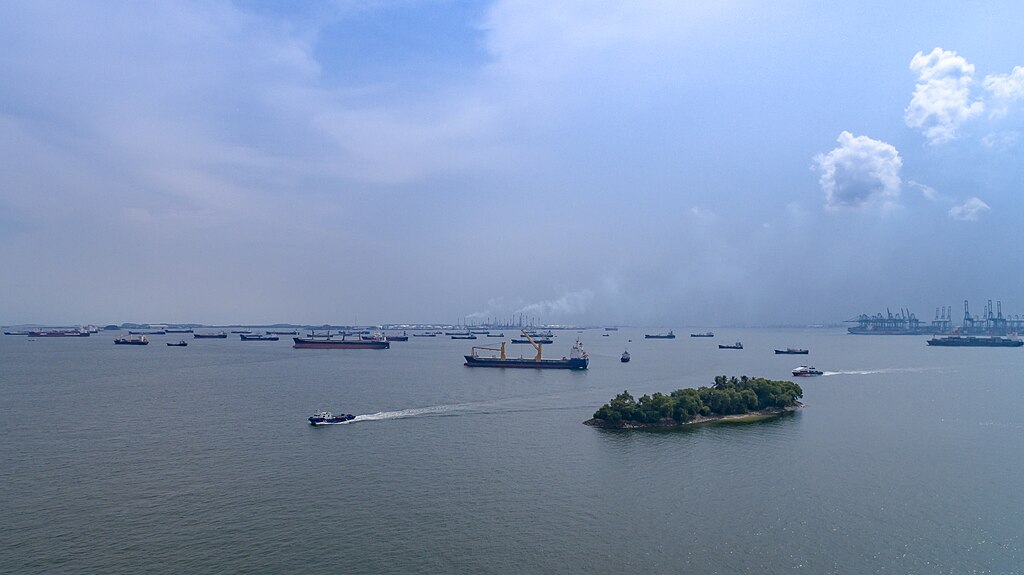
Among the most critical of these passages is the Strait of Malacca, which connects the Indian Ocean with the South China Sea and the broader Pacific region. As one of the busiest shipping lanes in the world, it serves as the primary maritime corridor linking East Asian manufacturing centers with global markets. A significant portion of the world’s energy supplies, including oil shipments destined for China, Japan, and South Korea, transits through this narrow passage each day.
Another vital chokepoint lies thousands of kilometers to the west: the Suez Canal. By connecting the Mediterranean Sea with the Red Sea, the Suez Canal provides the most direct maritime link between Europe and Asia. Without it, ships traveling between these regions would be forced to navigate around the southern tip of Africa, a detour that significantly increases transit time and transportation costs.
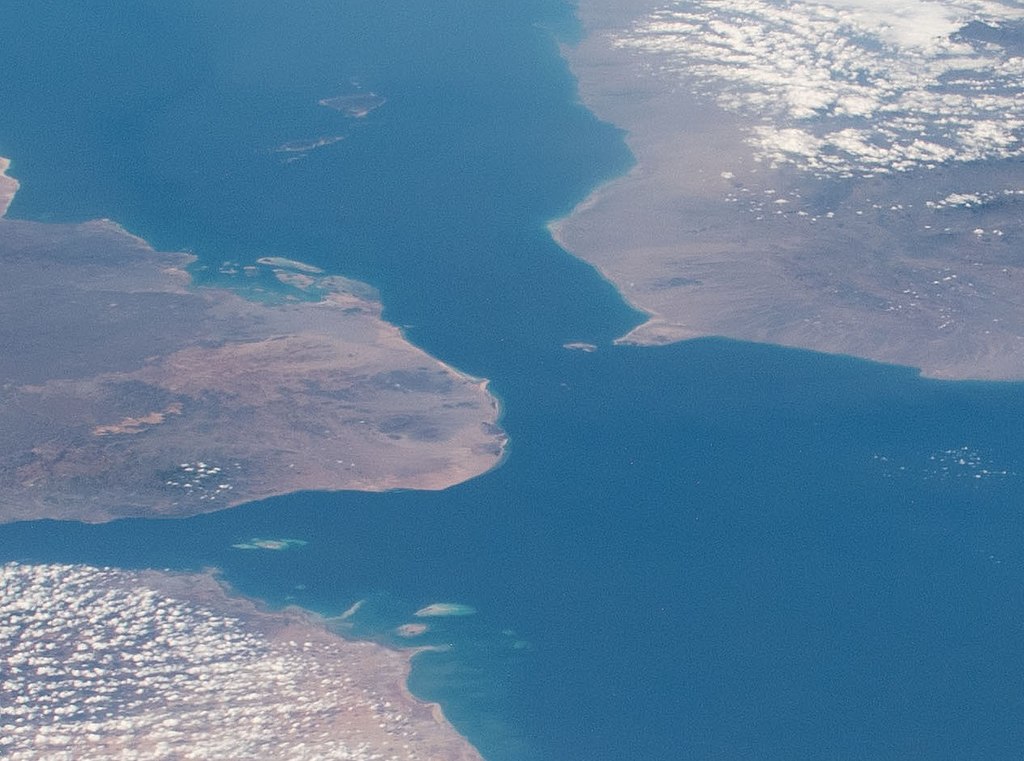
Further south, the Bab el-Mandeb Strait forms another critical gateway between the Red Sea and the Gulf of Aden. This narrow passage serves as a bridge between the Suez Canal route and the broader Indian Ocean shipping network. Disruptions in this region can quickly affect maritime traffic between Europe, Asia, and the Middle East.
In the Western Hemisphere, the Panama Canal performs a similar role by linking the Atlantic and Pacific Oceans. Perhaps the most strategically sensitive chokepoint, however, lies in the Persian Gulf. The Strait of Hormuz serves as one of the world’s most critical energy transit points, through which a substantial share of global oil exports passes each day.
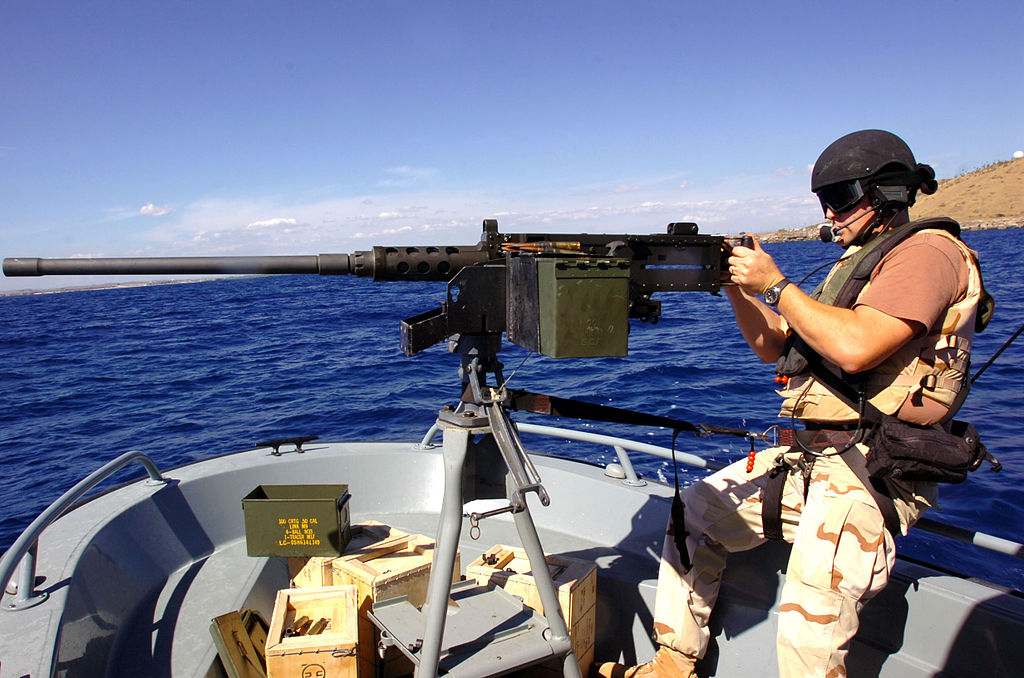
Taken together, these chokepoints form the structural pressure points of the global trading system. They represent locations where geography compresses global commerce into narrow corridors, places where political tensions, military conflict, piracy, or infrastructure disruptions can generate ripple effects across continents.
Infrastructure Geopolitics and the Competition for Connectivity
As the strategic importance of global trade routes and energy transit corridors has become increasingly visible, states have begun to compete not only over territory or markets, but over connectivity itself. The emerging geopolitical competition of the twenty-first century is therefore not limited to military power or economic influence. It increasingly revolves around the ability to design, finance, and secure the infrastructure that connects continents.
Major powers are investing heavily in transportation networks, ports, railways, digital cables, and energy corridors that reshape the geography of global connectivity. One of the most ambitious of these initiatives is China’s Belt and Road Initiative, launched in 2013 to expand infrastructure links between Asia, Europe, and Africa.
In response to this evolving landscape, alternative connectivity initiatives have begun to emerge. Among the most notable is the proposed India–Middle East–Europe Economic Corridor, which aims to establish new logistical connections linking South Asia with European markets through the Middle East.
Taken together, these competing initiatives reveal a deeper shift in the structure of global geopolitics. The competition is no longer solely about controlling territory or projecting military force. Instead, it increasingly revolves around shaping the infrastructure of connectivity.
The Strategic Competition for Connectivity
The global system is often interpreted through the lens of visible power such as military capabilities, diplomatic alliances, and economic competition. Yet beneath these visible dynamics lies a deeper structural layer. The stability and functioning of the global economy depend on an infrastructure of connectivity that is rarely the central focus of geopolitical analysis.
Maritime corridors, energy transit routes, logistics hubs, and digital networks quietly sustain the movement of goods, resources, and information across continents. When these systems function smoothly, they are almost invisible. When they are disrupted, their strategic importance becomes immediately apparent.
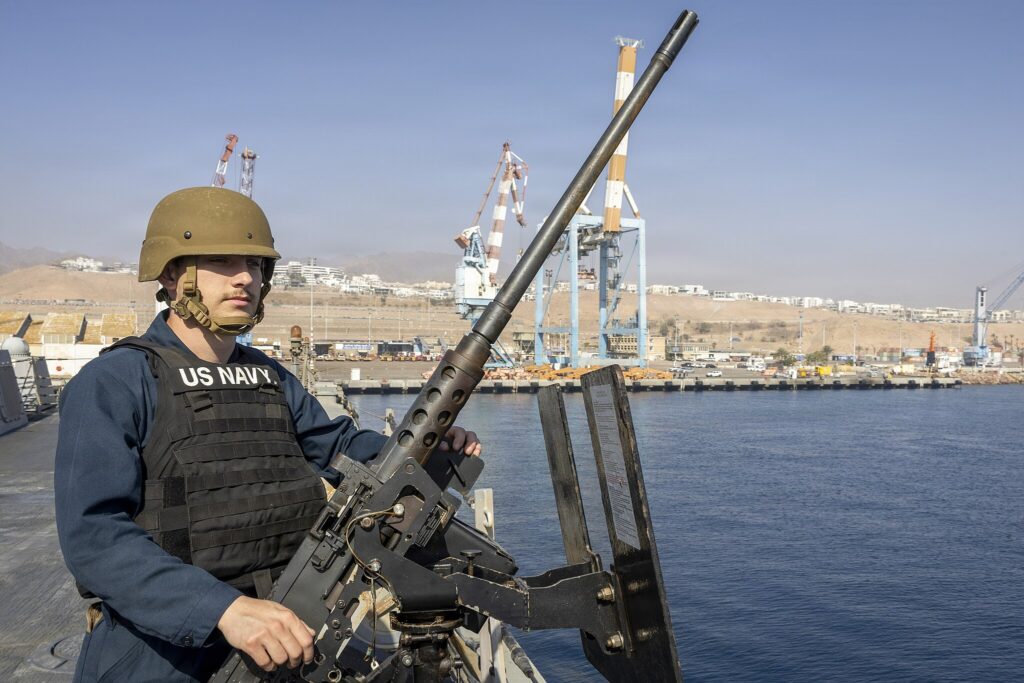
Power in the modern international system is therefore not defined solely by territory or military strength. It is also defined by the ability to shape, secure, and sustain the infrastructure through which the global system moves.
The competition for territory defined much of the twentieth century. The competition for connectivity may define the twenty-first.