

Written by Ido Kalev.

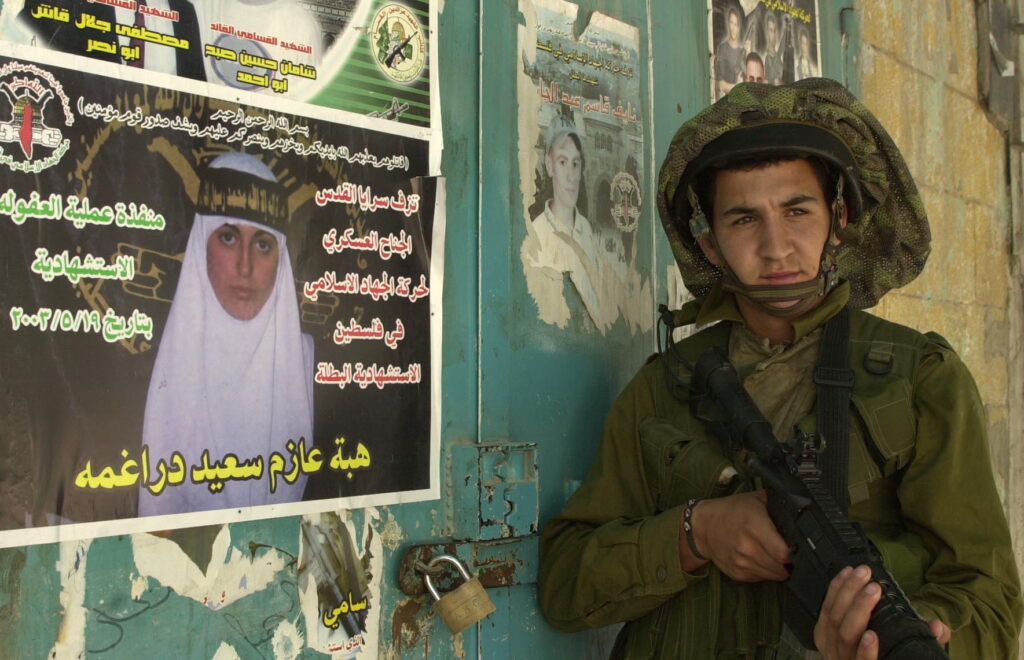
Dr. Fathi Shqaqi, leader of the Palestinian Islamic Jihad (PIJ), was one of the most influential militant figures of the 1990s. Born in the Rafah refugee camp, he was not only a militant leader but also an educated individual with a background in medicine. He studied physics and mathematics at Birzeit University and later completed his medical degree in pediatrics at Mansoura University in Egypt. During his time in Egypt, he became influenced by radical Islamist thought, which shaped his ideological direction.
Upon returning to Gaza, he initially worked at Augusta Victoria Hospital in Jerusalem before shifting fully into militant activity. In 1981, following the assassination of Anwar Sadat, he co-founded the Palestinian Islamic Jihad. His vision centered on establishing a Palestinian state modeled ideologically on Iran, and over time he became responsible for orchestrating multiple attacks, including suicide bombings that significantly impacted Israeli public opinion, particularly during the Oslo Accords period.
The Strategic Context and Targeting
By the mid-1990s, Shqaqi had reached the peak of his influence, with PIJ carrying out a series of high-profile attacks under his leadership. Among these, the January 1995 Beit Lid junction bombing, which killed 21 Israeli soldiers, marked a turning point that intensified security concerns and contributed to growing skepticism toward the peace process. Israeli intelligence assessments reportedly concluded that eliminating Shqaqi would significantly weaken the organization, framing the decision not as retaliation but as a strategic move aimed at disrupting operational capacity.
Why Malta: Opportunity and Exposure
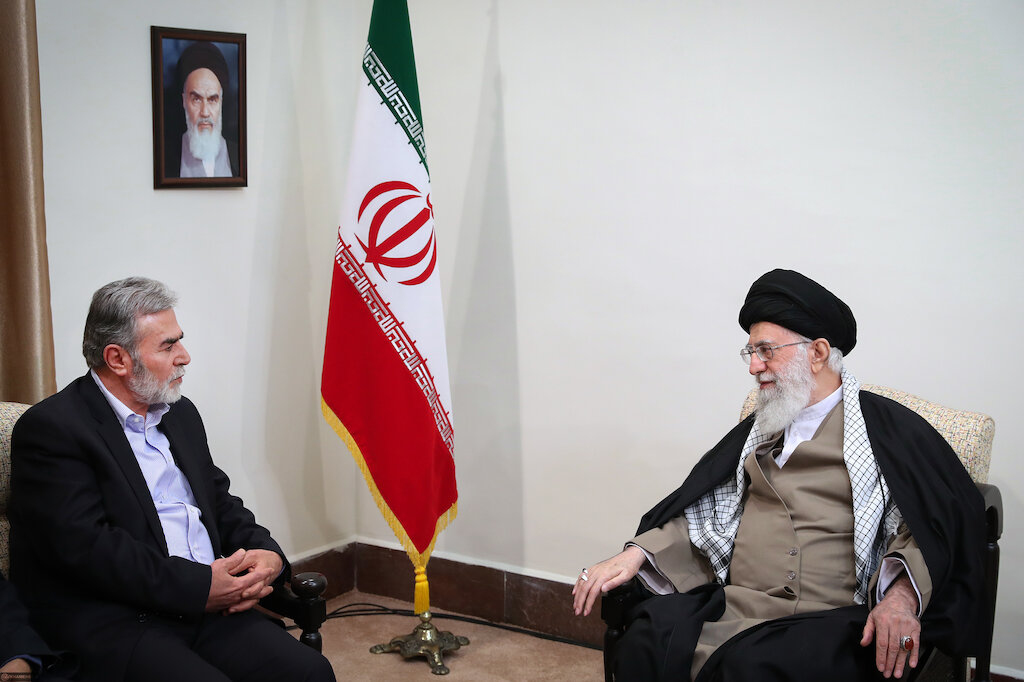
The selection of Malta was closely tied to operational opportunity rather than coincidence. Shqaqi was primarily based in Damascus and maintained strong ties with Iran and Syria, making him difficult to access under normal circumstances. However, in 1995, he traveled to meet Muammar Gaddafi in Libya to seek increased support.
Due to international sanctions imposed after the Lockerbie bombing, direct flights were not possible, forcing him to pass through Valletta and continue by ferry. This deviation from his usual secure environment created a rare vulnerability, allowing external actors to track and target him in a location where operational conditions were far more favorable.
The Assassination Operation
On October 26, 1995, shortly after returning to Malta, Shqaqi was assassinated near the Diplomat Hotel in Sliema in a highly precise operation. After leaving a store where he had been shopping, he was approached by an assailant who confirmed his identity before firing five shots at close range using a silenced 9 mm pistol, killing him within seconds. The entire operation lasted less than half a minute, after which the attacker escaped on a motorcycle with the help of an accomplice. No forensic evidence was left behind, as even the spent shell casings were collected, and the operation was later described by investigators as exceptionally clean and professional. Although widely attributed to Mossad, no official confirmation has ever been provided.
Allegations of Broader Involvement
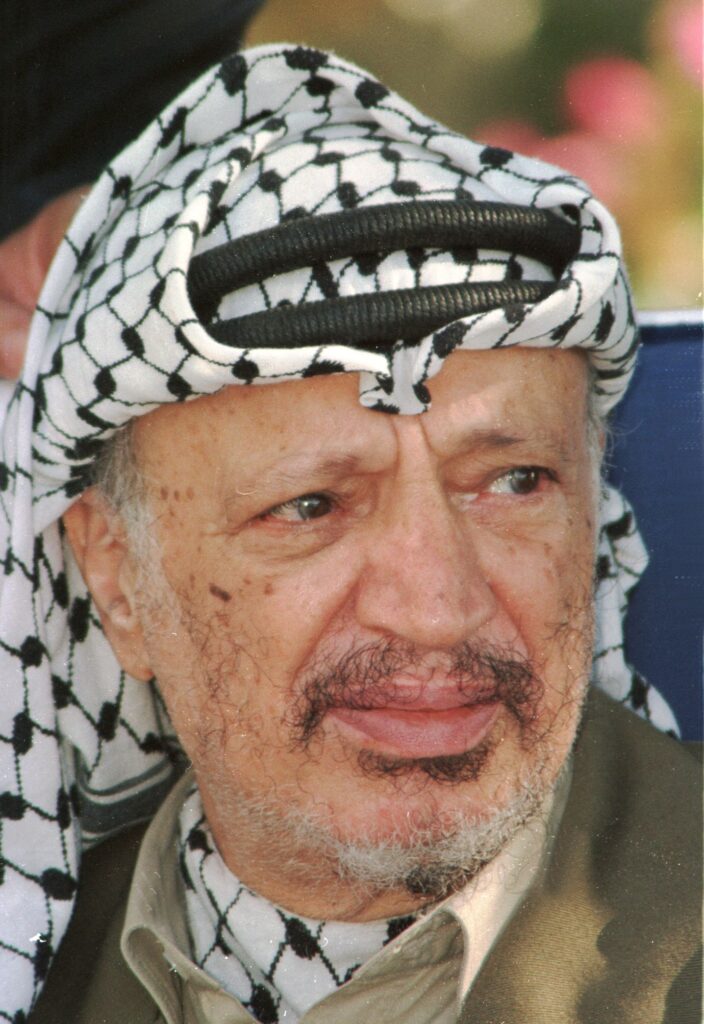
Despite the dominant narrative pointing to Israeli involvement, various claims suggest that additional actors may have played a role, either directly or indirectly. Allegations have included possible connections to figures such as Yasser Arafat, though no definitive evidence supports these assertions. Some sources within PIJ have speculated that Gaddafi may have shared information regarding Shqaqi’s movements, but these claims remain unverified and largely based on internal discussions rather than confirmed intelligence.
Security Failures and Operational Simplicity
A critical factor in the success of the operation appears to have been Shqaqi’s own security practices. He traveled without bodyguards, repeatedly used the same forged Libyan passport, and stayed at the same hotel during visits to Malta, creating predictable patterns that could be monitored.
His reliance on consistent disguises, such as wigs and altered appearance, further reduced his operational security by making his movements easier to anticipate. Intelligence assessments suggest that this level of complacency, combined with the perception of safety outside traditional conflict zones, played a significant role in enabling the assassination.
Aftermath and Organizational Impact
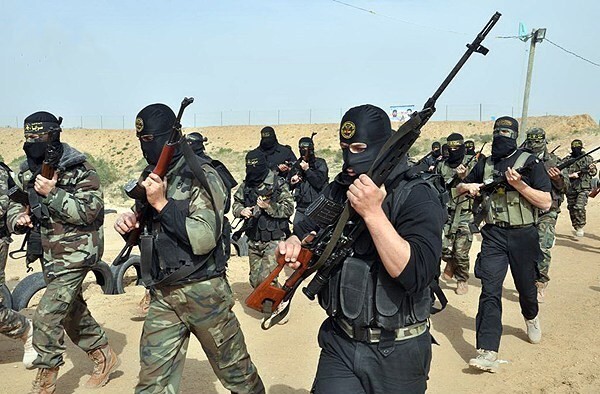
Following Shqaqi’s death, leadership of PIJ passed to Ramadan Abdullah Shalah. In the early period after the assassination, PIJ experienced a decline in effectiveness and struggled to maintain its previous level of activity. However, with continued support from Iran and Syria, the organization gradually recovered and resumed operations, demonstrating a capacity for adaptation despite leadership losses.
A Calculated but Contested Operation
The assassination of Fathi Shqaqi remains one of the most precise and controversial covert operations associated with modern intelligence practices. Its success was rooted in timing, intelligence gathering, and the exploitation of a rare moment of vulnerability. At the same time, the lack of official acknowledgment and the presence of competing narratives continue to leave key questions unanswered, making the case a lasting example of the complexities surrounding covert action, attribution, and geopolitical strategy.