
Drill & Defense
Advertisement
  • Defense
    • Industry News
    • Weapon & Gear Reviews
    • Defense Technologies
    • Military Market Reports
  • Energy
    • Oil & Gas News
    • Energy Technologies
    • Market Trends & Analysis
  • Cross-Sector Insights
    • Defense & Energy Strategy
    • Global Security & Trade Analysis
    • Tech & Innovation Crossover
  • History & Legacy
    • Turning Points in Conflict
    • Legacy Systems & Structures
    • Resource Wars & Strategy
  • Knowledge Base
    • Defense Know-How
    • Energy Insight
  • About
  • Contact
  • Login
  • Register
No Result
View All Result
  • Defense
    • Industry News
    • Weapon & Gear Reviews
    • Defense Technologies
    • Military Market Reports
  • Energy
    • Oil & Gas News
    • Energy Technologies
    • Market Trends & Analysis
  • Cross-Sector Insights
    • Defense & Energy Strategy
    • Global Security & Trade Analysis
    • Tech & Innovation Crossover
  • History & Legacy
    • Turning Points in Conflict
    • Legacy Systems & Structures
    • Resource Wars & Strategy
  • Knowledge Base
    • Defense Know-How
    • Energy Insight
  • About
  • Contact
  • Login
  • Register
No Result
View All Result
Drill & Defense
No Result
View All Result
Home Cross-Sector Insights

Drone Warfare: Sky Domination in the Age of Unmanned Systems

October 25, 2025
in Cross-Sector Insights, Tech & Innovation Crossover
SBU_Alpha_Drone

Lycksele-Nord, CC BY-SA 4.0 , via Wikimedia Commons

Share on LinkedInShare on Twitter

The rise of unmanned aerial vehicles (UAVs), commonly called drones, has redefined many aspects of military operations, intelligence gathering, and strategic posturing. For a specialist publication like FirePower International, it is essential to examine not only the technical capabilities of drones but also their broader implications for defence and security. The following is an analytical piece written from a corporate editorial vantage, intended for a professional readership interested in how drones are shaping the battlefield.


Origins and Evolution of Drone Use

The concept of unmanned aerial systems is not purely novel, yet recent decades have witnessed substantial acceleration in capability, affordability, and operational deployment. Historically, drones were used primarily for reconnaissance or decoy roles. As military technological trends converged through miniaturised sensors, improved communications, robotics, and precision weapons, the UAV became a more versatile component in the toolkit of modern armed forces. What had been a reconnaissance platform is increasingly becoming a multi mission asset such as surveillance, strike, logistic support, and electronic warfare.
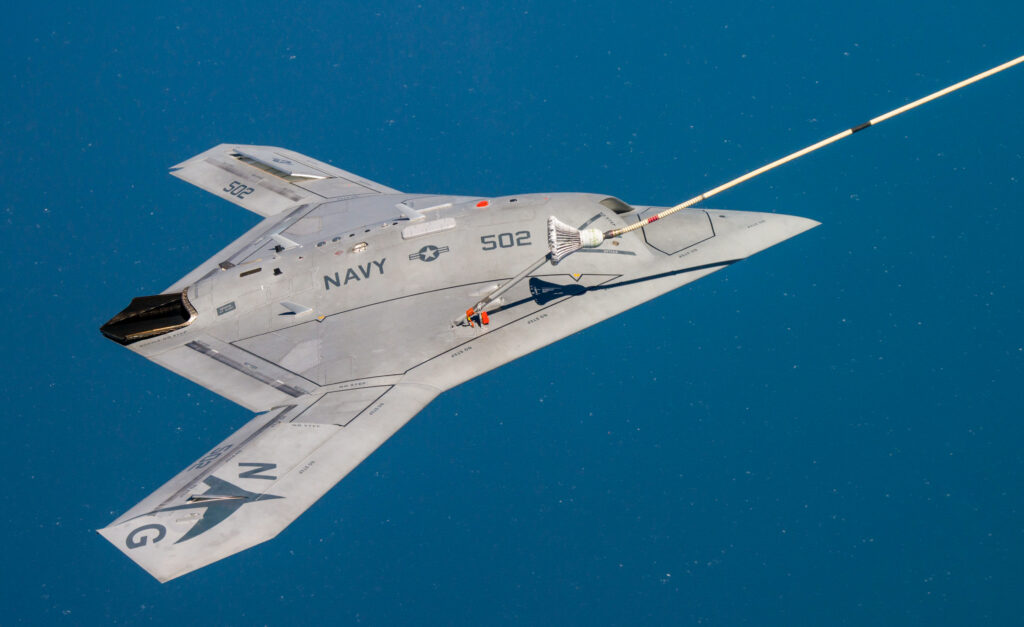
PATUXENT RIVER, Md. (April 22, 2015) The Navy’s unmanned X-47B receives fuel from an Omega K-707 tanker while operating in the Atlantic Test Ranges over the Chesapeake Bay. This test marked the first time an unmanned aircraft refueled in flight. (U.S. Navy photo/Released

The Expanding Roles: From ISR to Strike and Beyond

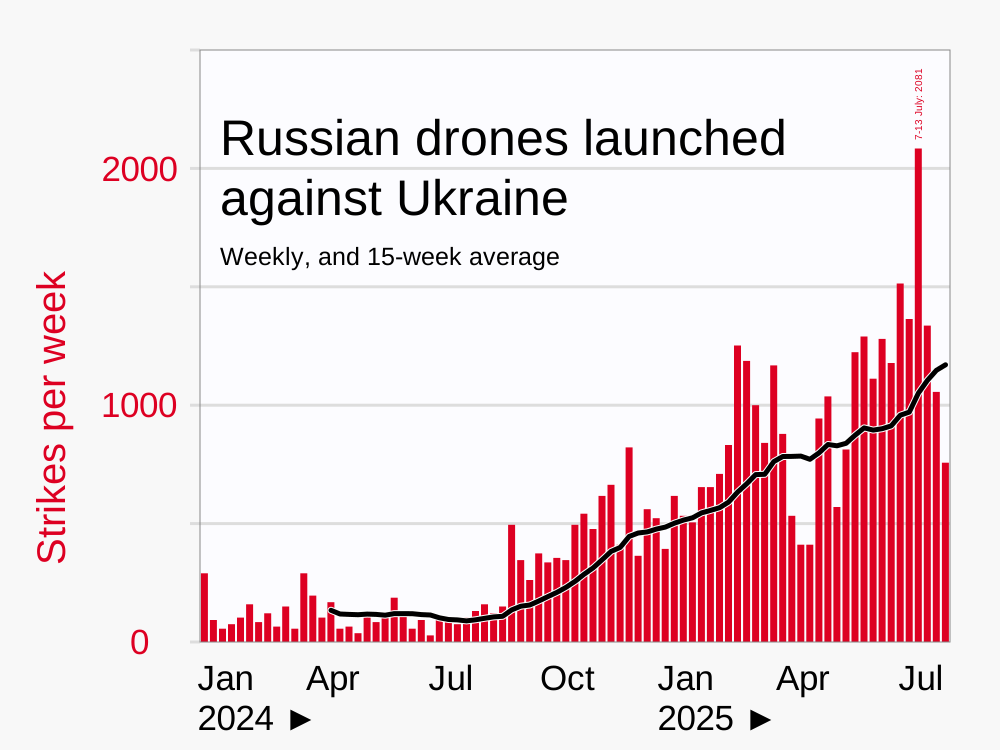
Initially drones served intelligence, surveillance, and reconnaissance roles, offering a lower risk way to monitor an adversary. Over time, however, the employment spectrum has widened. Drones are now used for targeting and strike missions, logistics delivery, and electronic attack. The conflict in Ukraine has provided a large scale real world laboratory in which forces have used drones not only to observe but to engage, disrupt supply lines, and influence theatre level dynamics. Even so, analysts caution that while the drone is highly capable, it has not yet rendered traditional arms systems obsolete. In terms of holding terrain, controlling large scale manoeuvres, or winning strategic wars, drones remain a tool rather than a universal solution.

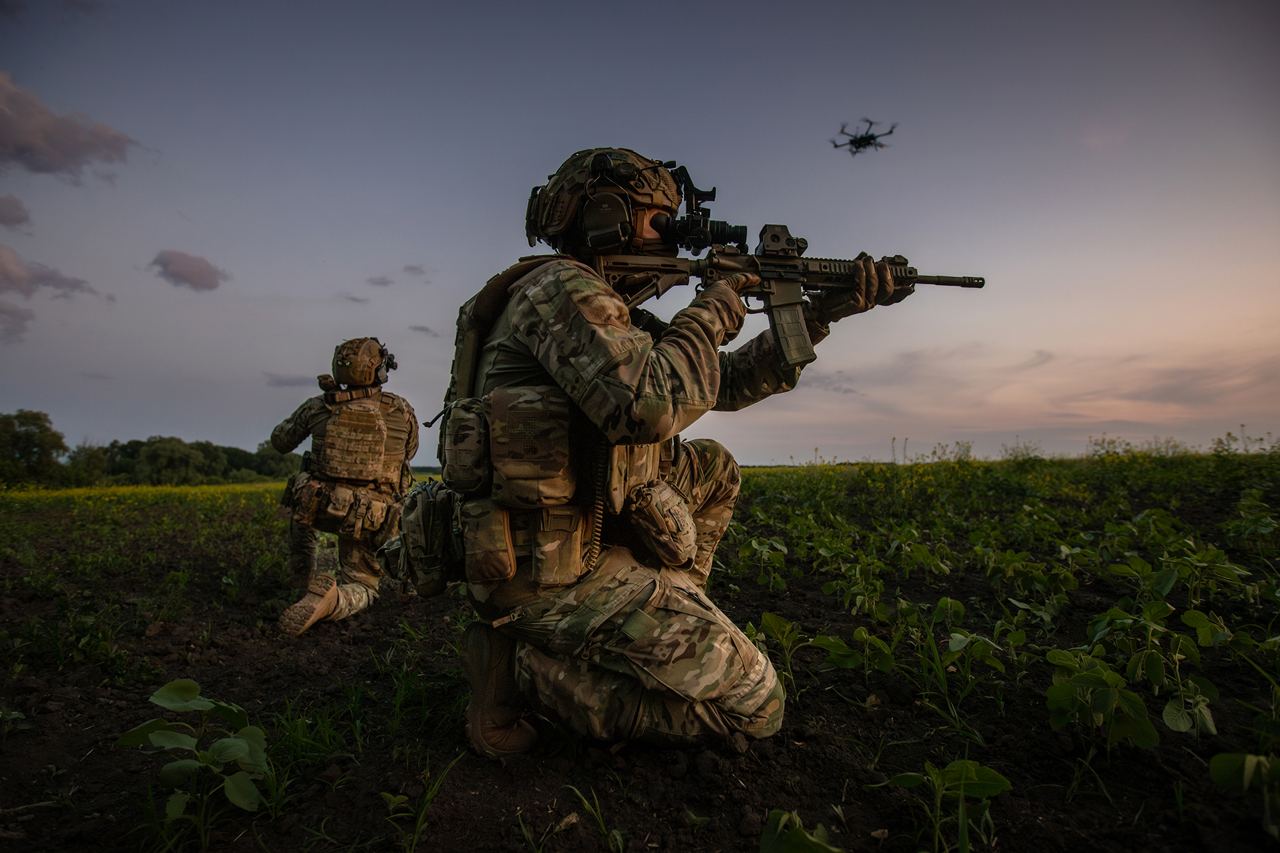
A Dutch soldier assigned to the 17th Light Armored BN conduct drone readiness training during Saber Junction 25 at the Grafenwöhr Training Area, Hohenfels Training Area, Joint Multinational Readiness Center, Germany, August. 30, 2025. Saber Junction 25 ensures that U.S., Allied and partner forces are prepared to act decisively in response to emerging threats, crises, or opportunities. (U.S. Army photo by Cpl. Leonard Beckett)

Strategic Implications for Defence and Energy Security

From a defence industry and energy sector perspective, the proliferation of drones carries important strategic implications. The cost barrier to entry is lower than many legacy platforms such as fighter jets or heavy armour. That means even smaller states or non state actors can deploy significant drone capabilities. Critical infrastructure including energy installations, pipelines, and power stations becomes increasingly vulnerable. A drone swarm or tactical strike by unmanned systems may challenge traditional perimeter defences and necessitates rethinking protection of assets in remote or hostile environments.

Moreover, the integration of unmanned systems into a larger sensor shooter architecture shortens the time between detection and effect. For organisations in the energy domain or for facility defenders, this means adversaries may leverage drones not only for reconnaissance but for rapid strike and surveillance or as trigger platforms for kinetic or electronic attack.
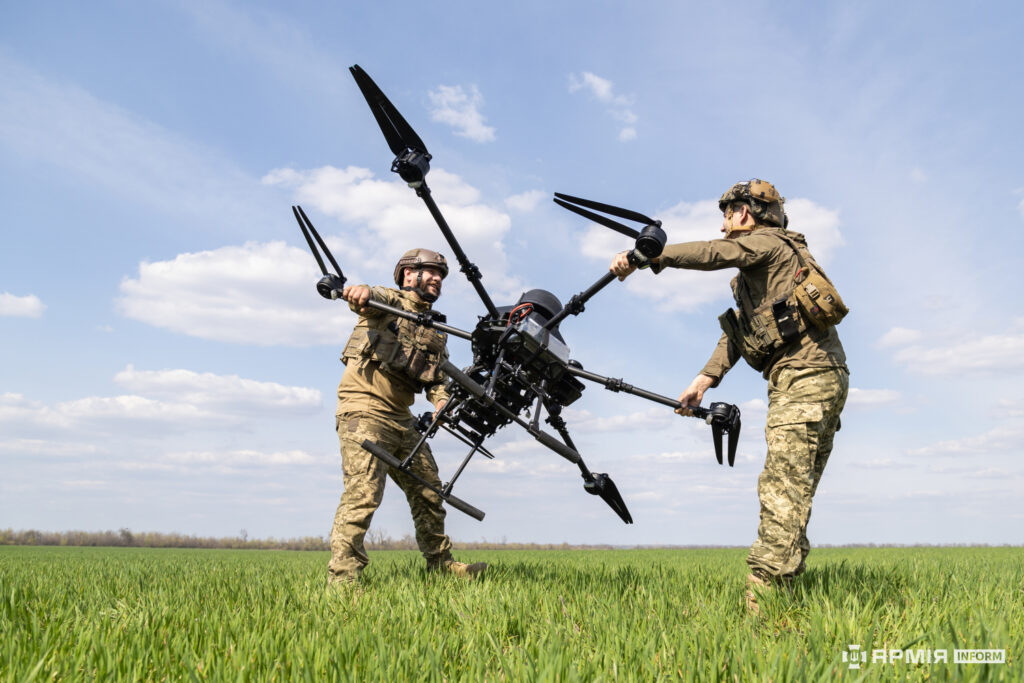
Vampire, Ukrainian unmanned bomber octocopter АрміяІнформ, CC BY 4.0 https://creativecommons.org/licenses/by/4.0, via Wikimedia Commons

Counter Drone and Defensive Considerations

An important dimension of the drone era is the defence against drones including counter UAV systems, electronic warfare, jamming, and sensor networks. Assessments note that many militaries drone defences remain insufficiently mature relative to the speed of drone proliferation. For operators of strategic assets whether energy, mining, or defence industrial facilities this means preparedness must evolve.

Although drones excel in certain niches, they remain vulnerable to suppression, electronic interference, and terrain constraints. Their continued effectiveness depends on integration with broader command and control systems and the ability to link unmanned and manned systems seamlessly.
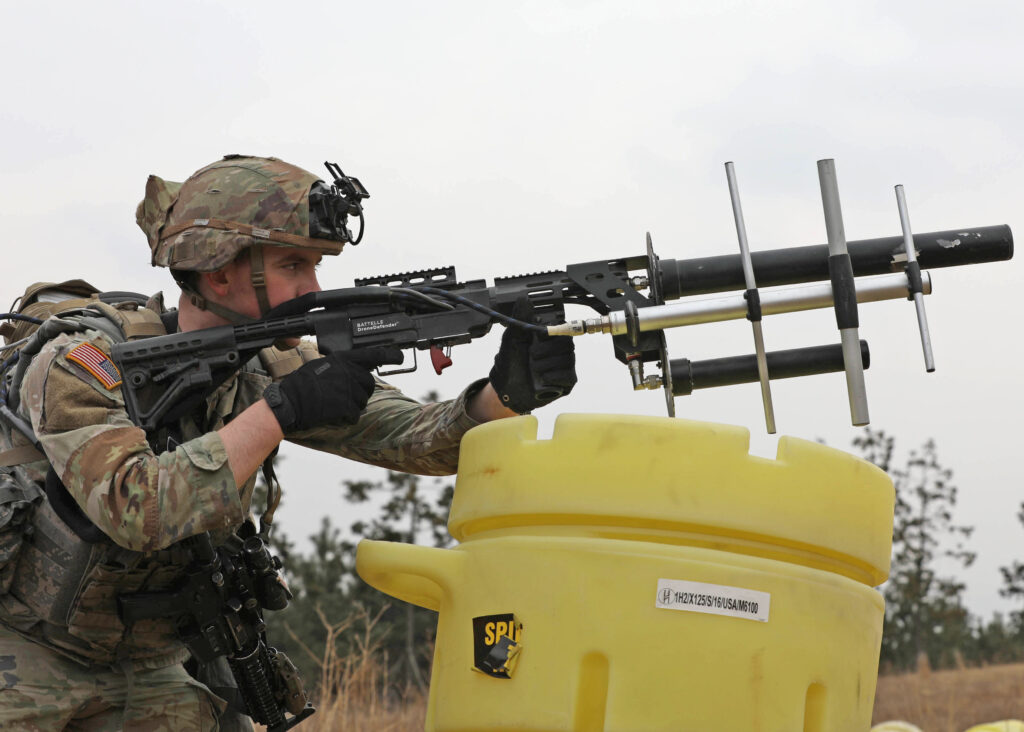
An Eighth Army Soldier uses a Drone Defender counter-small unmanned aerial system device during a training exercise February 2023, in South Korea. In recent months, Eighth Army has teamed up with the Republic of Korea Army in a series of training exercises to counter this emerging threat by having their counter-small UAS teams conduct joint training. (U.S. Army photo by 55th Signal Company)

Trends on the Horizon: Autonomy and Swarms

Looking ahead, two major trends merit attention which are autonomy and swarming. Several states are investing heavily in autonomous drone swarms formed by unmanned systems acting cooperatively with minimal operator input. For decision makers in defence or energy security, the shift toward autonomy raises questions of decision making, rules of engagement, and system interoperability.

At the same time, swarm operations could pose unique challenges including large numbers of drones saturating defences, engaging simultaneously, and complicating traditional air defence frameworks. For infrastructure operators, this means threat models must evolve beyond single platform attacks to multi axis unmanned formations.
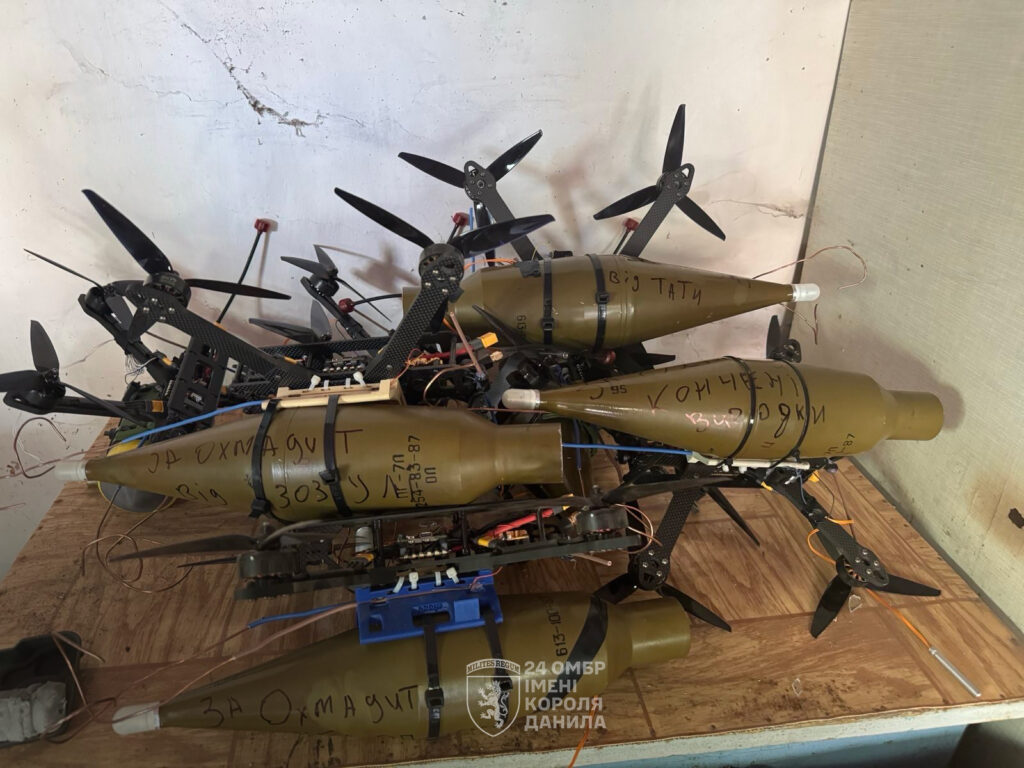
24 ОМБр ЗСУ, CC BY 4.0 https://creativecommons.org/licenses/by/4.0, via Wikimedia Commons

Limitations and Realistic Appraisal

Despite the hype, drones still face operational and strategic limits. They rarely replace the synergistic role of combined arms. Terrain, weather, electromagnetic interference, logistics, and rules of engagement remain key constraints. Some scholars argue drones are revolutionary in many respects but not yet strategic game changers. For facility owners and infrastructure defenders, this means adopting drones and counter drones as part of a layered defence architecture rather than relying solely on unmanned systems as the only solution.
RCraig09, CC BY-SA 4.0 https://creativecommons.org/licenses/by-sa/4.0, via Wikimedia Commons

Practical Considerations for Defence and Infrastructure Stakeholders

For organisations concerned with security and asset protection, the evolving drone domain suggests several practical observations.

Security frameworks should include threat assessments covering reconnaissance, strike operations, and swarm attacks. Detection sensors such as radar, radio frequency, and optical systems need strong integration with command structures and counter UAV capabilities. Perimeter and air space security must be reconsidered because drones blur the traditional boundary between air and ground domains. Planning should include scenarios for drone patrols, penetrations, and logistics disruption. Legal and regulatory frameworks for autonomous systems and unmanned weapons require continual monitoring because responsibility and engagement rules will evolve.


Looking Ahead

The ascendancy of drones reflects a broader shift in defence and infrastructure security which is the move toward dispersed, networked systems that challenge traditional large platform dominance. For organisations operating in the defence energy nexus, this transition demands attentiveness to unmanned systems not just as equipment, but as operational concepts. Drones are rewriting some rules of engagement and preparedness means understanding where they are most impactful, where their limits lie, and how best to integrate or defend against them within a layered and resilient strategy.


Further Reading:
Vision of Humanity, “How Drones Have Shaped the Nature of Conflict”
CSIS, “The Russia Ukraine Drone War: Innovation on the Frontlines and Beyond”
CIGI, “Drone Technology Is Transforming Warfare in Real Time”
CNAS, “Countering the Swarm”


Previous Post

The AK-47 Legacy in Africa

Next Post

The French Foreign Legion After the Sahel: Where It Fits Now

Related Posts

Israel’s F-15 News: What Actually Happened, and Why It Matters
Cross-Sector Insights

Israel’s F-15 News: What Actually Happened, and Why It Matters

January 1, 2026
SDF and HTS: Managing Tension Without Open Conflict in Northern Syria
Cross-Sector Insights

SDF and HTS: Managing Tension Without Open Conflict in Northern Syria

December 26, 2025
What 2025 Taught Us About Defense and Energy: Five Lessons for 2026
Cross-Sector Insights

What 2025 Taught Us About Defense and Energy: Five Lessons for 2026

December 24, 2025
The New Taiwan Arms Package and China’s “Stop” Message: What Actually Changed
Cross-Sector Insights

The New Taiwan Arms Package and China’s “Stop” Message: What Actually Changed

December 19, 2025
The Black Sea’s Evolving Battlespace: Ukraine’s Maritime Operations and Shifting Security Dynamics
Cross-Sector Insights

The Black Sea’s Evolving Battlespace: Ukraine’s Maritime Operations and Shifting Security Dynamics

December 12, 2025
The Rise of Commercial Drones in Conflict Zones: A New Layer in Modern Warfare
Cross-Sector Insights

The Rise of Commercial Drones in Conflict Zones: A New Layer in Modern Warfare

December 6, 2025
Next Post
TE_2REI_Afghanistan French Foregin Legion

The French Foreign Legion After the Sahel: Where It Fits Now

  • Trending
  • Comments
  • Latest
Blackwater PMC

After Blackwater: How PMCs Evolved, Professionalized, and Fragmented

September 13, 2025
Blackwater PMC

Inside Iraq’s Security Market: How Private Power Shapes a Fragile State

October 6, 2025
Operation Enduring Freedom

What Exactly Is a Private Military Company (PMC)?

September 6, 2025
Repkon Nammo in Denmark: What This Nordic Ammunition Play Really Signals

Repkon Nammo in Denmark: What This Nordic Ammunition Play Really Signals

August 21, 2025
A Historic $142 Billion Arms Deal: Unpacking the U.S.-Saudi Agreement

A Historic $142 Billion Arms Deal: Unpacking the U.S.-Saudi Agreement

A Silent Revolution on the Battlefield: AI-Enabled Tactical Communication Systems

A Silent Revolution on the Battlefield: AI-Enabled Tactical Communication Systems

Cominf.org, CC BY-SA 3.0 , via Wikimedia Commons

Is Europe Really Reducing Its Dependence on Russian Gas?

What is ITAR? The Invisible Line in Global Defense Trade

What is ITAR? The Invisible Line in Global Defense Trade

Israel’s F-15 News: What Actually Happened, and Why It Matters

Israel’s F-15 News: What Actually Happened, and Why It Matters

January 1, 2026
SDF and HTS: Managing Tension Without Open Conflict in Northern Syria

SDF and HTS: Managing Tension Without Open Conflict in Northern Syria

December 26, 2025
What 2025 Taught Us About Defense and Energy: Five Lessons for 2026

What 2025 Taught Us About Defense and Energy: Five Lessons for 2026

December 24, 2025
The New Taiwan Arms Package and China’s “Stop” Message: What Actually Changed

The New Taiwan Arms Package and China’s “Stop” Message: What Actually Changed

December 19, 2025

Recent News

Israel’s F-15 News: What Actually Happened, and Why It Matters

Israel’s F-15 News: What Actually Happened, and Why It Matters

January 1, 2026
SDF and HTS: Managing Tension Without Open Conflict in Northern Syria

SDF and HTS: Managing Tension Without Open Conflict in Northern Syria

December 26, 2025
What 2025 Taught Us About Defense and Energy: Five Lessons for 2026

What 2025 Taught Us About Defense and Energy: Five Lessons for 2026

December 24, 2025
The New Taiwan Arms Package and China’s “Stop” Message: What Actually Changed

The New Taiwan Arms Package and China’s “Stop” Message: What Actually Changed

December 19, 2025
Drill & Defense

Drill & Defense is an independent platform providing insights into firearms, defense technologies, and energy sectors. We deliver clear, practical content for professionals, enthusiasts, and industry followers worldwide.

Follow Us

Browse by Category

  • Cross-Sector Insights
  • Defense
  • Defense & Energy Strategy
  • Defense Know-How
  • Defense Technologies
  • Energy
  • Energy Insight
  • Energy Technologies
  • Global Security & Trade Analysis
  • History & Legacy
  • Industry News
  • Knowledge Base
  • Legacy Systems & Structures
  • Market Trends & Analysis
  • Military Market Reports
  • Oil & Gas News
  • Resource Wars & Strategy
  • Tech & Innovation Crossover
  • Turning Points in Conflict
  • Weapon & Gear Reviews

Recent News

Israel’s F-15 News: What Actually Happened, and Why It Matters

Israel’s F-15 News: What Actually Happened, and Why It Matters

January 1, 2026
SDF and HTS: Managing Tension Without Open Conflict in Northern Syria

SDF and HTS: Managing Tension Without Open Conflict in Northern Syria

December 26, 2025

© 2025 Drill & Defense. All rights reserved. Independent insights on firearms, defense, and energy. For business inquiries: info@drillanddefense.com | PRIVACY POLICY | COOKIE POLICY | TERMS AND CONDITIONS

Manage Consent

We use cookies to improve your experience. You can accept or refuse cookies; however, some features may not function properly without your consent.

Functional Always active
The technical storage or access is strictly necessary for the legitimate purpose of enabling the use of a specific service explicitly requested by the subscriber or user, or for the sole purpose of carrying out the transmission of a communication over an electronic communications network.
Preferences
The technical storage or access is necessary for the legitimate purpose of storing preferences that are not requested by the subscriber or user.
Statistics
The technical storage or access that is used exclusively for statistical purposes. The technical storage or access that is used exclusively for anonymous statistical purposes. Without a subpoena, voluntary compliance on the part of your Internet Service Provider, or additional records from a third party, information stored or retrieved for this purpose alone cannot usually be used to identify you.
Marketing
The technical storage or access is required to create user profiles to send advertising, or to track the user on a website or across several websites for similar marketing purposes.
  • Manage options
  • Manage services
  • Manage {vendor_count} vendors
  • Read more about these purposes
View preferences
  • {title}
  • {title}
  • {title}
No Result
View All Result
  • Defense
    • Industry News
    • Weapon & Gear Reviews
    • Defense Technologies
    • Military Market Reports
  • Energy
    • Oil & Gas News
    • Energy Technologies
    • Market Trends & Analysis
  • Cross-Sector Insights
    • Defense & Energy Strategy
    • Global Security & Trade Analysis
    • Tech & Innovation Crossover
  • History & Legacy
    • Turning Points in Conflict
    • Legacy Systems & Structures
    • Resource Wars & Strategy
  • Knowledge Base
    • Defense Know-How
    • Energy Insight
  • About
  • Contact
  • Login
  • Register

© 2025 Drill & Defense. All rights reserved. Independent insights on firearms, defense, and energy. For business inquiries: info@drillanddefense.com | PRIVACY POLICY | COOKIE POLICY | TERMS AND CONDITIONS