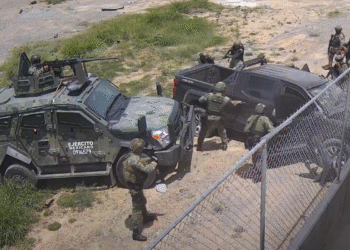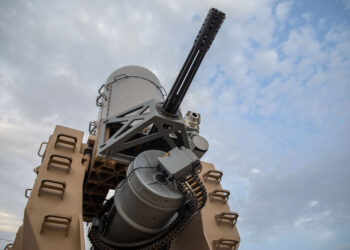


As 2025 comes to an end, the divide between defense and energy looks thinner than at any point in recent memory. Anyone working in policy, industry or strategic analysis has likely noticed the shift. Energy reports increasingly read like security briefings, while military updates often resemble assessments of infrastructure and supply vulnerabilities. The two fields, once treated as parallel but separate, now overlap so frequently that analyzing one without the other feels incomplete.

At Drill & Defense, this year stands out as a moment in which long-developing trends finally converged. Energy routes faced direct targeting rather than incidental risk. Ammunition production revealed structural weaknesses in industrial capacity. Drone warfare expanded into a complex contest over frequencies and electromagnetic access. The energy transition quietly entered operational planning in a serious way. And the information environment, overwhelmed by synthetic content, turned into a genuine strategic variable.
In reviewing defense and energy 2025, one clear pattern is the convergence of infrastructure security and military readiness. Taken together, these events shaped the clearest lessons of 2025. As 2026 begins, the value lies in understanding what those lessons actually imply.
Energy Infrastructure Has Become an Active Front Line
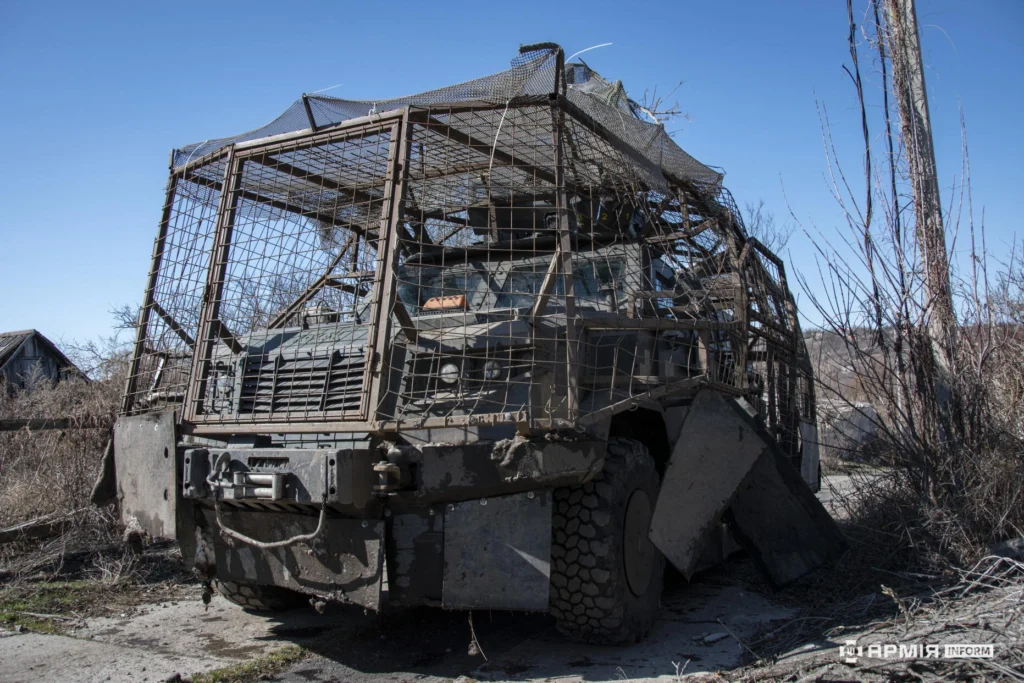
One theme consistently visible throughout 2025 was the intentional targeting of energy networks in ongoing conflicts. Strikes against power plants, transmission routes and gas facilities during the cold seasons did far more than interrupt electricity supply. They exposed the fragility of national resilience and placed added pressure on regional energy markets already strained by high demand and geopolitical uncertainty.
Across Europe, this created a noticeable shift in how policymakers talk about energy. Discussions that once focused on economic stability now center on continuity of operations, emergency planning and defense readiness. A briefing prepared for the European Parliament emphasized how modern defense systems depend on steady fuel and power flows, while the defense industry itself remains energy-intensive. These factors make disruptions more than an economic setback; they directly influence military capability.
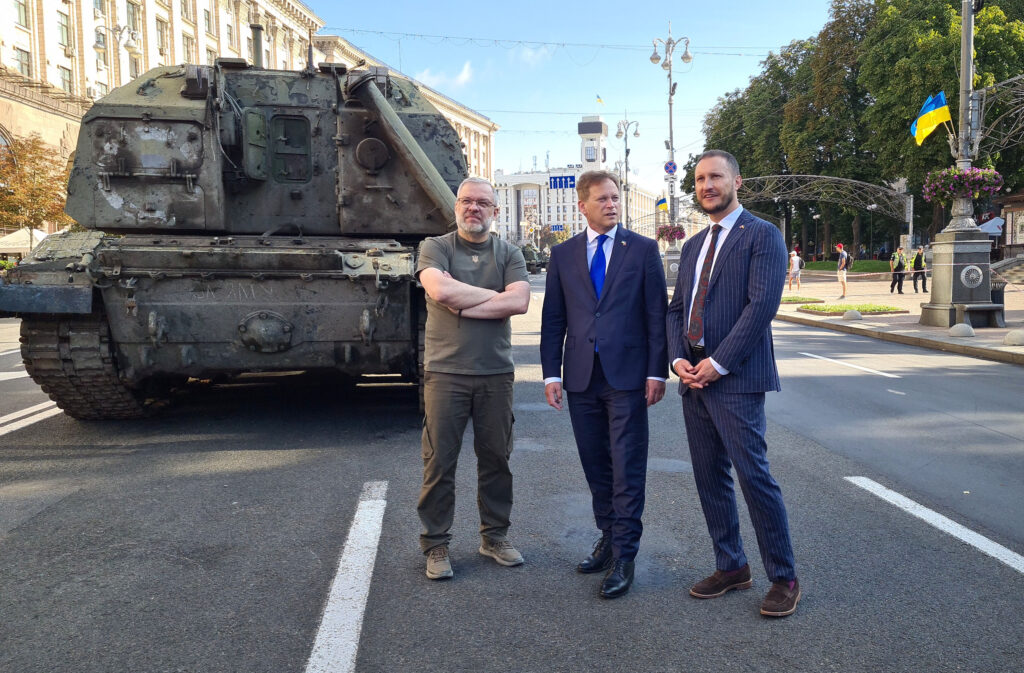
The terminology surrounding these issues has also evolved. Concepts such as critical energy infrastructure and hybrid threats have moved from specialist circles into public policy language. Reports from European security institutes openly acknowledge that defending extensive and dispersed infrastructure with limited naval and air assets presents significant challenges. Subsea cables, LNG terminals, offshore platforms and pipelines now feature prominently in risk analyses for national security.
Heading into 2026, a key realization emerges: energy systems no longer sit in the background of conflict. Their stability is intertwined with military activity and with the strategic calculations of both state and non-state actors. Planning that fails to integrate energy resilience into defense considerations no longer reflects the realities reinforced throughout 2025.

Industrial Capacity for Ammunition Returned to Strategic Centrality
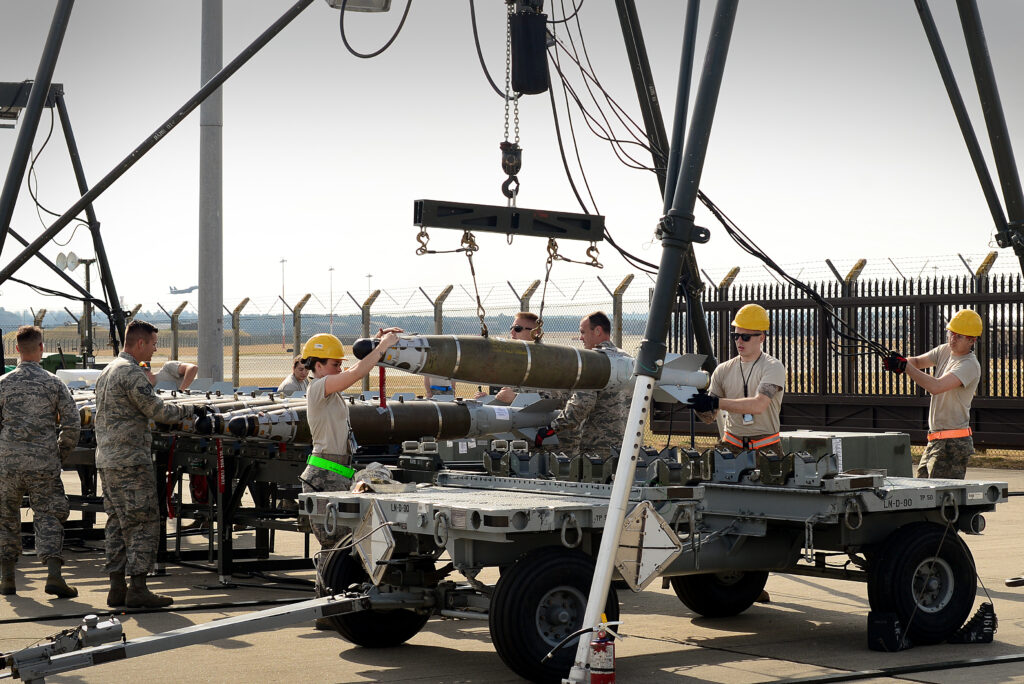
Another defining development of 2025 was the renewed recognition of industrial capacity as a cornerstone of military power. Debates across Europe and North America repeatedly circled the same issue: ammunition production has not matched the pace demanded by prolonged high-intensity warfare.
Efforts such as the European Act in Support of Ammunition Production aim to increase output significantly, targeting roughly two million shells per year by the end of 2025. Strategic institutes warn that even with these measures, both stockpiles and production lines remain under pressure. The possibility of another major contingency overlapping with existing commitments would stretch capacity further, creating what some analyses describe as a strategic ammunition gap.
Research from military institutions raised an additional concern: production volume alone is not enough. Interoperability remains a critical weakness. Allies that operate different systems or rely on ammunition with varying specifications may struggle to share stocks efficiently, especially in emergencies. Ensuring compatibility across platforms is now seen as vital as increasing output.
Energy plays a decisive role here as well. Ammunition plants require stable supplies of electricity and fuel, and any disruption directly affects production timelines. European analyses linking defense industrial resilience to energy security underscore this point clearly. Reliable energy access has become a determining factor in maintaining or expanding the industrial base that supports national defense.
The discussions of 2025 make one point unmistakable: effective strategy now depends on long-term, energy-secure industrial ecosystems, not on short-term procurement cycles or emergency contracts. Nations that fail to strengthen this foundation may find themselves constrained during crises when industrial agility matters most.
Drone Warfare and Electronic Competition Redefined the Battlespace
Few areas evolved as rapidly this year as drone warfare. Ukraine’s adaptation and mass deployment of drones are well known, but 2025 expanded the global understanding of how this technology shapes modern conflict. Studies from European and international research institutions highlight a pattern: rapid innovation, decentralized adaptation and an expanding ecosystem of low-cost systems have changed battlefield dynamics profoundly.
Beyond Ukraine, analyses from strategic centers around the world point to another development. Smaller states, non-state actors and commercially equipped groups increasingly use inexpensive drones to offset conventional disadvantages. This trend has moved beyond theoretical possibility. Real-world examples show how drones enable reconnaissance, targeting and even strike missions that would have required expensive assets a decade ago.
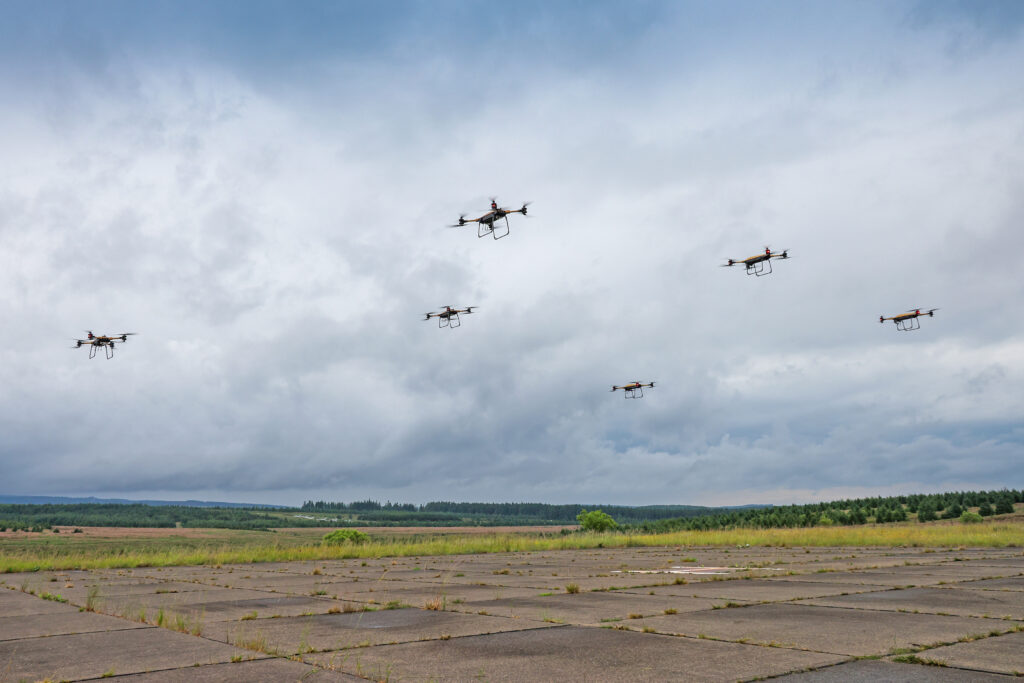
An equally important observation emerged this year. Control of the electromagnetic spectrum has become central to drone operations. Jamming, spoofing and electronic warfare now influence the effectiveness of unmanned systems as much as air-defense platforms or surface-based weapons. Air superiority no longer depends solely on aircraft numbers or missile batteries but on access to reliable communication channels and protective countermeasures.
These developments have direct implications for the protection of energy infrastructure. Many sites now depend on networks of sensors, automated systems and remote monitoring tools. All require stable communication links. When frequency interference increases, situational awareness weakens, and response capabilities slow down.
Modern planning must adapt accordingly. Protection concepts for 2026 and beyond need to assume regular exposure to jamming, signal degradation and drone saturation. This represents a shift from traditional thinking toward an environment in which electromagnetic contestation is constant, not exceptional.
The Energy Transition Entered the Core of Defense Logistics
Throughout much of the past decade, the energy transition was treated as a civilian-led transformation that would eventually influence defense. In 2025, that assumption began to change. Defense planners increasingly acknowledged how shifts in energy systems directly affect logistics, mobility and operational flexibility.
European assessments made throughout the year underscored that armed forces remain deeply dependent on fossil fuels, particularly for aviation, naval vessels and heavy ground transport. Simultaneously, the electrification of weapons systems, sensor suites, command networks and production chains is raising overall electricity demand. These parallel trends create a dual dependency that exposes states to vulnerabilities in both fuel and power supplies.
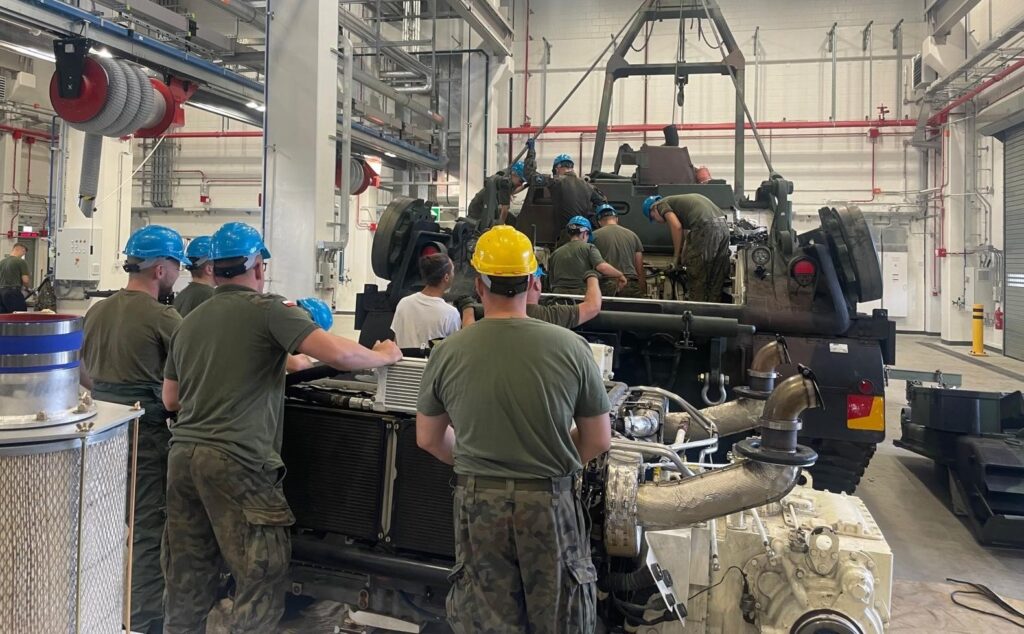
Policy briefings in 2025 presented renewable energy and efficiency measures not as environmental initiatives but as tools for operational resilience. Concepts such as base microgrids, localized power generation and electrified support vehicles are now discussed in terms of reducing exposure to attack, lowering resupply frequency and improving mission endurance.
For military planners, the logic is pragmatic. Fuel convoys have long been among the most vulnerable elements in contested environments. Every reduction in fuel demand reduces risk for personnel and equipment. The energy transition, in this context, becomes a pathway to greater survivability.
In the energy sector, the implications are equally important. As armed forces adopt new technologies and experiment with different energy mixes, they require partners who understand both the technical and geopolitical dimensions of these developments. Companies positioned at this intersection may gain a strategic role in future defense planning.
The message from 2025 is clear: energy transition debates can no longer remain separate from security considerations. They now belong to the same strategic conversation.
Information Integrity Emerged as a Core Security Requirement
Perhaps the most rapidly evolving domain of 2025 was the information environment. Advances in artificial intelligence, especially in synthetic media generation, have transformed the nature of verification and public perception. Research published this year warned that deepfakes and AI-generated content continue to increase in sophistication and remain difficult to detect, even for trained analysts.
These technologies amplify long-standing risks. Misinformation spreads faster. Psychological operations become more layered. Crisis escalation may accelerate if leadership reacts to false or manipulated imagery. Electoral processes and public trust also face heightened vulnerability.
For defense and energy institutions, several specific challenges stand out.
Open-source intelligence now requires stronger verification practices, as images and videos can be fabricated with minimal effort.
Crisis communication has become more fragile, with false narratives having the potential to dominate public perception before facts are established.
Coordinated decision-making becomes harder when the authenticity of circulating information cannot be quickly confirmed.

Analyses on national security risks from deepfakes emphasize that technological countermeasures and regulatory frameworks still lag behind the pace of innovation. The implication is that capacity-building, rapid verification systems and cross-domain coordination will play increasingly central roles.
Imagining a combined incident illustrates the stakes. A cyber event targeting a grid, followed by a small physical disruption at an energy site, could be overshadowed by fabricated videos exaggerating damage. Public and market responses might hinge more on the false narrative than the real situation. Scenarios like this demonstrate why information integrity now functions as a core pillar of national and industrial resilience.
For organizations preparing for 2026, the question is no longer whether synthetic media will appear but how quickly verification mechanisms can respond when it does.
Entering 2026 as a Single System Rather Than Separate Sectors
The five lessons of 2025 converge on a single reality. Energy infrastructure now plays an active role in conflict. Ammunition and industrial capacity have regained their position at the center of strategic planning. The electromagnetic spectrum has become a contested battleground. The energy transition increasingly shapes logistics and operational readiness. And information integrity has evolved into a strategic necessity.
Planning for the new year requires an understanding that defense and energy can no longer operate on parallel tracks. Both sectors influence one another directly, and effective strategy depends on integrating their dynamics rather than managing them separately.
Organizations that adapt early will be better positioned to handle the uncertainties of 2026. Those that continue viewing defense and energy as distinct fields risk overlooking the structural shifts that defined 2025 and will shape the years ahead.
At Drill & Defense, this integrated perspective is now part of how we analyze global developments. The year revealed a world where operational behavior, energy stability and information integrity are deeply interconnected. As these patterns intensify, the institutions that embrace cross-sector thinking will be the ones best able to anticipate change.
References
European Parliamentary Research Service, The critical link between energy security and the European defence industry, European Parliament, 2025.
European Union Institute for Security Studies, On a war footing: Securing critical energy infrastructure, EUISS Brief, 2025.
ACAPS, Ukraine: Energy infrastructure attacks, 2025.
Atlantic Council, Russian strikes on Ukraine’s energy infrastructure are a European problem, 2025.
European Commission, The Commission allocates €500 million under the Act in Support of Ammunition Production, 2024.
Atlas Institute for International Affairs, The Strategic Ammunition Gap, 2025.
Modern War Institute at West Point, Guns and Ammo: NATO’s Ammunition Interoperability Problem, 2025.