
In recent years, global energy dynamics have taken us to a crossroads. While policymakers champion renewables, and some Western nations reduce coal use rapidly, the rest of the world is charting a different path. For emerging economies like China, India, and Indonesia, coal has reasserted itself as an indispensable pillar of energy security. Here’s how and why.
The Unexpected Comeback
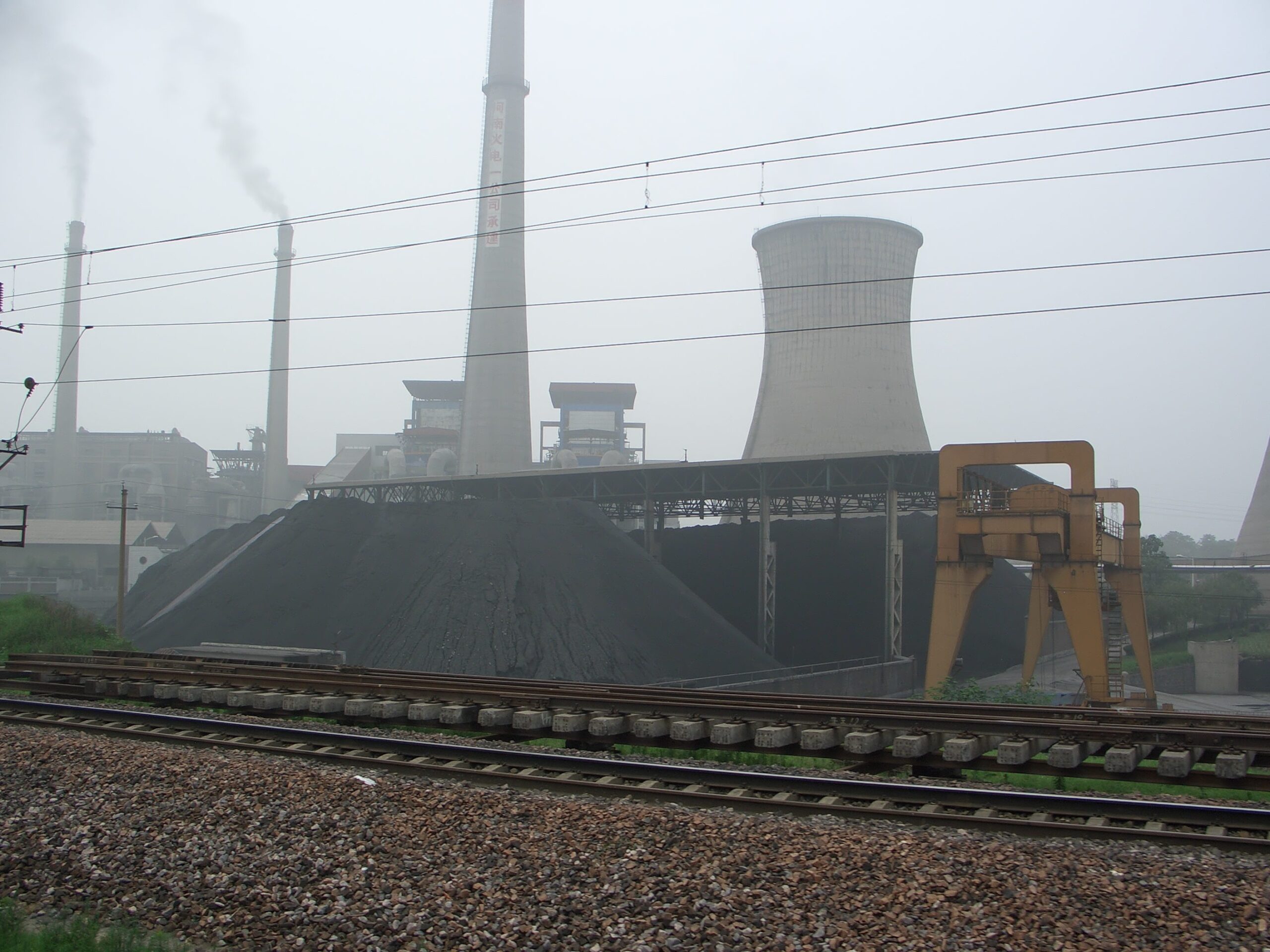
Predictions made in the early 2010s that global coal demand would peak around 2013 have been repeatedly disproven. In 2024, our analysis shows coal demand increased by approximately 1.2%—an extra 123 million tonnes of coal equivalent. Much of this surge is driven by a scorching summer in Asia where coal-fired electricity met record-high cooling demand . In fact, nearly 80% of global coal consumption now comes from developing Asia, with China and India leading the ascent.
Strategic Priorities: Affordability and Reliability
You understand—your stakeholders expect reliable power, affordable prices, and sustainable growth. Coal remains unmatched in meeting base-load electricity needs at scale. Regions like Shanxi in China fear coal plant closures may destabilize local economies. Meanwhile, Indonesia is planning a number of new coal-fired power stations even as it pursues renewable targets.
Corporate Impact: Coal and the Data Age
The digital revolution doesn’t just demand software—it demands power. Massive data centers, AI farms, and cooling-heavy digital infrastructure are reshaping energy demand. In Queensland, Australia, for example, coal producers credited the AI-driven power surge as a key driver of export growth . For corporate energy strategists, this trend illustrates a broader truth: digital expansion strengthens coal’s relevance in many markets—despite its environmental downsides.
Market Insights: Growth and Limits
United Nations and IEA data show that coal demand might plateau soon, but not decline sharply—at least not before 2027. While advanced economies are moving away from coal, countries in South-East Asia and India could drive global demand higher through 2027. Even so, solar, wind, and gas capacity buildouts are beginning to temper future coal growth in places like China.
Navigating the Path Forward
As energy policy architects and strategists, you face tough questions:
- How can your organization balance energy security with long‑term sustainability?
- Should you prepare for continued coal dependence—then pivot when alternatives scale?
- Can you invest in hybrid solutions, such as coal plants equipped with co‑firing biomass or future carbon capture?
Decisions you make today could determine your region’s developmental trajectory—and your company’s positioning in a shifting energy landscape.
A Call for Balanced Strategy
In a world where affordability and infrastructure reliability remain critical, coal’s resurgence is not just a stop-gap—it’s a strategic reality. Yet, this resurgence forces corporate leaders to reconsider energy portfolios: invest short‑term in coal-backed stability, while accelerating readiness for renewables that will shape energy systems in the next decade.
As you reimagine your roadmap, recognizing coal’s uneasy resurgence—and charting a forward‑leaning yet pragmatic strategy—will help ensure both resilience and purpose in an evolving energy world.
References
Financial Times. “Why the world cannot quit coal.” June 18, 2025.
IEA. Global Energy Review 2025 – Coal Analysis. 2025.
IEA. News: Global coal demand expected to remain flat. Published December 15, 2023.
Reuters via The Guardian. “Coal use to reach new peak—and remain…” Dec 18, 2024.
Queensland regional coverage. “Coal hard truth: Qld’s world‑class resource.” June 8, 2025.