
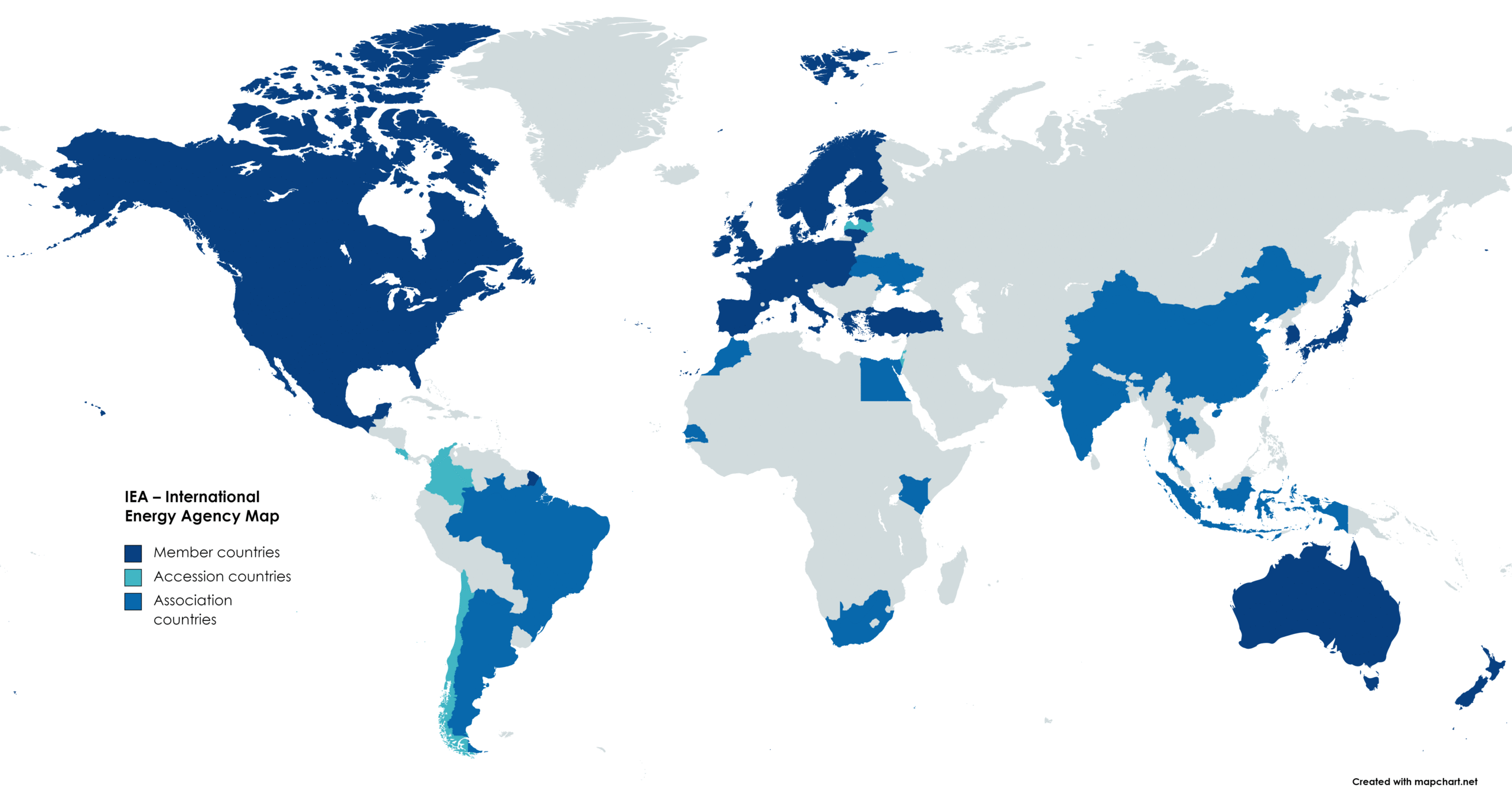
The global energy landscape has never been more dynamic — and artificial intelligence is adding a whole new layer of complexity. Just a few days ago, the International Energy Agency (IEA) launched its brand-new Energy & AI Observatory, a platform designed to track how AI is reshaping the way we produce, distribute, and consume energy.

At first glance, this might sound like yet another database — but it is more than that. The Observatory is intended to serve as an open, evolving resource for policymakers, industry leaders, researchers, and anyone trying to make sense of AI’s impact on energy security and the energy transition.
Why Does the Energy Sector Need an AI Observatory?
Many of us have been hearing about AI’s disruptive power for years — in manufacturing, finance, or creative industries. But energy is a different beast. It’s deeply interconnected, highly regulated, and has knock-on effects on every other sector.
When AI enters this picture — automating grid management, predicting consumption spikes, or optimizing renewable output — the potential benefits are huge. So are the risks.
The IEA notes that AI applications in energy can help reduce emissions, cut costs, and balance volatile supply and demand. But there’s a flip side: AI also drives massive electricity demand through energy-hungry data centers and computing hardware. This tension is why transparency matters — and why a dedicated Observatory makes sense.
What Will the Observatory Actually Do?
The IEA says the Energy & AI Observatory will:
- Collect real-time data on how AI is used in energy production, transmission, and end-use.
- Monitor the energy footprint of AI technologies themselves, from training large language models to powering giant data centers.
- Provide insights on policies, regulations, and best practices for balancing AI innovation with energy sustainability.
By doing this, the Observatory aims to create a shared evidence base for decision-makers. Think of it as a “weather radar” for the intersection of AI and energy: you can’t control the storms, but you can see them coming and prepare.
A Wake-Up Call for the Sector
If you’re in the energy sector today — whether you’re running a utility company, managing a pipeline network, or planning investments in renewables — ignoring AI is no longer an option.
The Observatory’s early findings already hint at the scale of the challenge: AI-driven demand for computing power is skyrocketing, and the energy needed to keep the data flowing is becoming a real planning risk.
At the same time, AI could be the very thing that helps us balance grids overloaded by electric vehicles, home batteries, and decentralized renewables. Smart algorithms might be the difference between a blackout and a stable grid on a sweltering summer day.
What Should We Watch Next?
In the months ahead, the Observatory will likely become a go-to source for real-world data on AI’s impact on carbon footprints and energy security. For businesses, that means better risk assessments and clearer investment decisions. For governments, it’s a potential roadmap to craft policies that don’t just chase AI hype but also safeguard our already fragile grids.
There’s one thing we can all agree on: we’re only at the beginning. AI isn’t just another tool in the energy toolbox — it’s a force that could rewrite the way energy flows through our lives. By watching it closely, we have a better shot at steering it in the right direction.
Sources:
- International Energy Agency (IEA): Energy & AI Observatory (aimagazine.com)
- IEA Official Website
- Energy Digital