
Artificial intelligence is not some distant promise anymore. You can already find it shaping military planning and energy systems. Sometimes it works quietly in the background, other times it takes center stage. Either way, it is here.

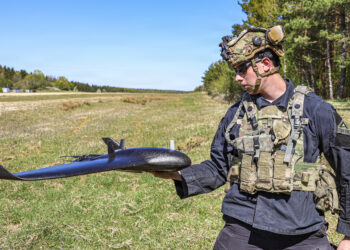
In defense, one of the clearest changes has been in surveillance. A German company, Helsing, has been testing underwater drones that can stay out for months. Three months, to be more exact. No crew. No constant human control. Just AI scanning and sorting what it sees. That means longer patrols and fewer risks for people.
Decision-making has shifted too. The U.S. Department of Defense has a project called Maven, aimed at turning endless data into something useful fast. Another effort, known as JADC2, tries to link sensors from all military branches into one connected system. Instead of jumping between reports, commanders get one shared picture. That can make reactions quicker—sometimes much quicker.
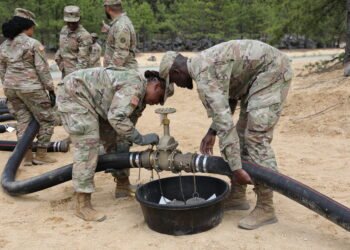
AI is also creeping into the less glamorous side of defense: maintenance and logistics. By watching data from equipment, it can warn before a breakdown happens. Think of it as fixing a vehicle before the real damage sets in. For military operations, avoiding downtime can be as valuable as winning an extra day in the field.
On the energy side, the story is not so different. Grids are getting smarter. AI looks at when and how electricity is used, then predicts what is coming next. With that, supply can match demand more closely, and waste drops.
Renewable energy adds another layer. Sunlight and wind do not follow schedules, so supply can spike or dip without warning. AI steps in by forecasting output and adjusting distribution in real time. The aim is simple: keep power steady without overshooting.
Some companies take it further. Verdigris Technologies, for instance, uses AI to see where energy slips through the cracks in buildings and factories. Once those weak spots are known, changes can cut costs and reduce emissions at the same time.
There is overlap between defense and energy work. Both need systems that are reliable, adaptable, and able to handle pressure. Lessons learned in keeping a military network secure can help protect an energy grid. And advances in renewable energy management can inspire better logistics in the field.
It is not always a headline-grabbing story, but AI is slowly linking these two worlds. The improvements may start small, yet they add up. That is usually how real change works.