
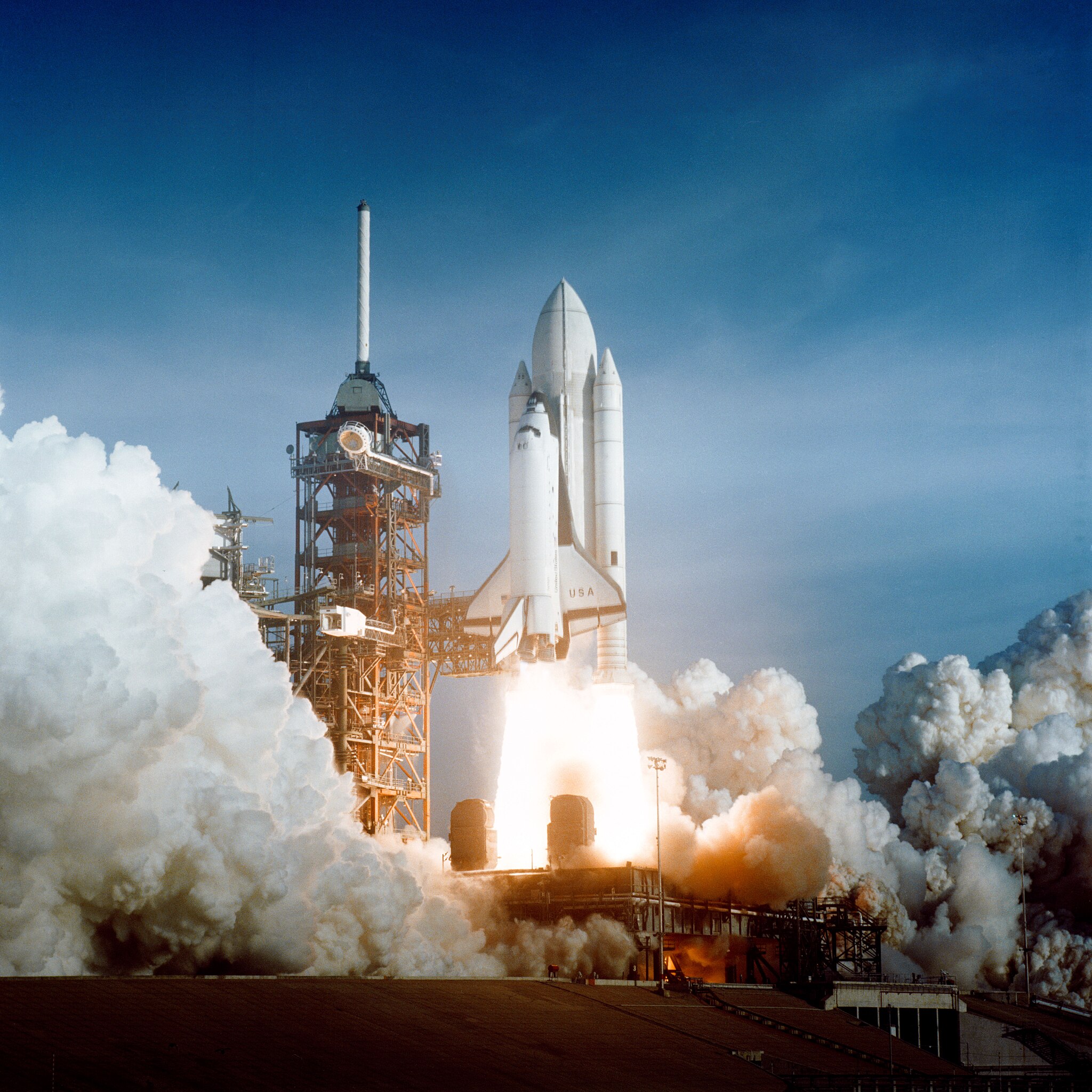
To understand modern defense thinking, it is important to revisit the moment when global competition extended beyond land, sea, and air. The Cold War created an atmosphere where every scientific breakthrough had strategic weight. What began as a rivalry between the United States and the Soviet Union quickly transformed into a systematic push into a domain that had never before been part of military planning. This was not simply a contest to explore the heavens. It was a period when superpowers realized that control of the space environment could offer advantages in intelligence, communication, deterrence, and global influence. The organizations that shaped this transition, including NASA and the institutions that would later form Roscosmos, understood that the nation which mastered orbital technology would significantly strengthen its position on Earth.

As both nations expanded their capabilities, space gradually became a domain where technological ambition and national security priorities merged. Every satellite launch, every test flight, and every advancement in propulsion or guidance systems became a metric for international prestige. For states observing from the outside, achievements in space were interpreted as indicators of deeper industrial capacity. It was evident that the competition unfolding in orbit was shaping policy decisions, alliance behavior, and the long term architecture of strategic planning.
From Sputnik to Strategic Shock
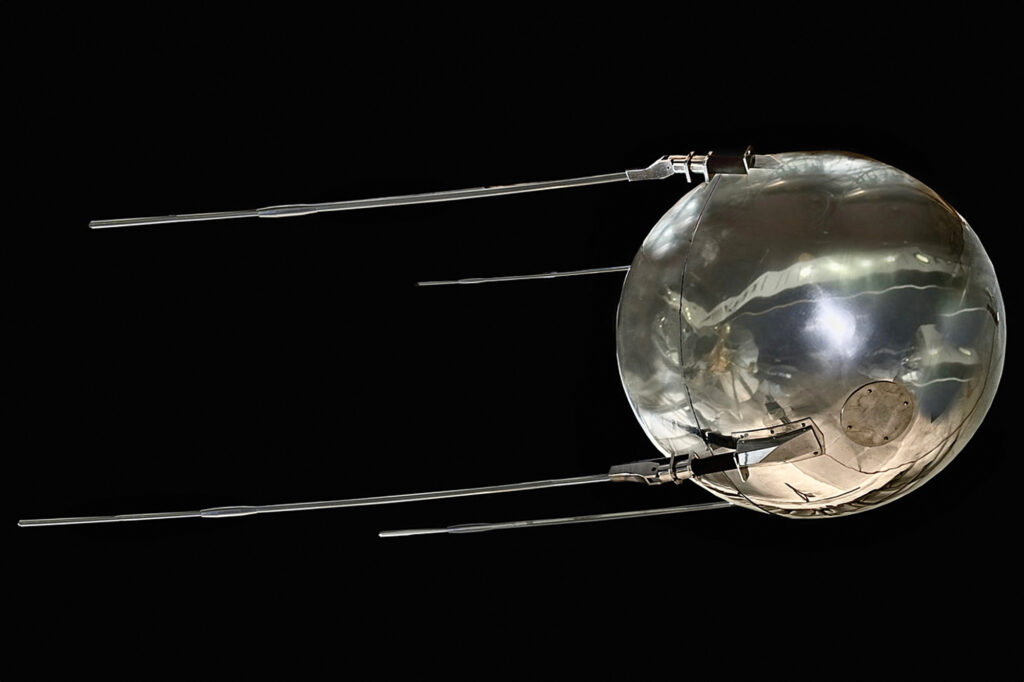
The launch of Sputnik in 1957 was a turning point that fundamentally reshaped global perceptions of security. A small metal sphere orbiting above Earth transformed military thinking almost overnight. The Soviet Union had demonstrated a capacity to launch payloads using rockets capable of reaching any point on the planet. In Washington, this realization triggered intense debate about missile defense, technological readiness, and vulnerabilities within the United States strategic posture.
American leaders quickly understood that a technological gap in space would translate into multiple disadvantages on Earth. The fear was not only about satellites. It was about what those satellites represented. If the Soviet Union had mastered long range missile propulsion, it meant that the balance of power could shift rapidly. This led to a nationwide restructuring of scientific education, extensive investment in research laboratories, and the emergence of a national space program that would compete directly with Soviet capabilities. Public narratives emphasized exploration and discovery, yet internally the motivation was grounded firmly in maintaining a stable deterrence profile.
Prestige, Power, and the Race to the Moon
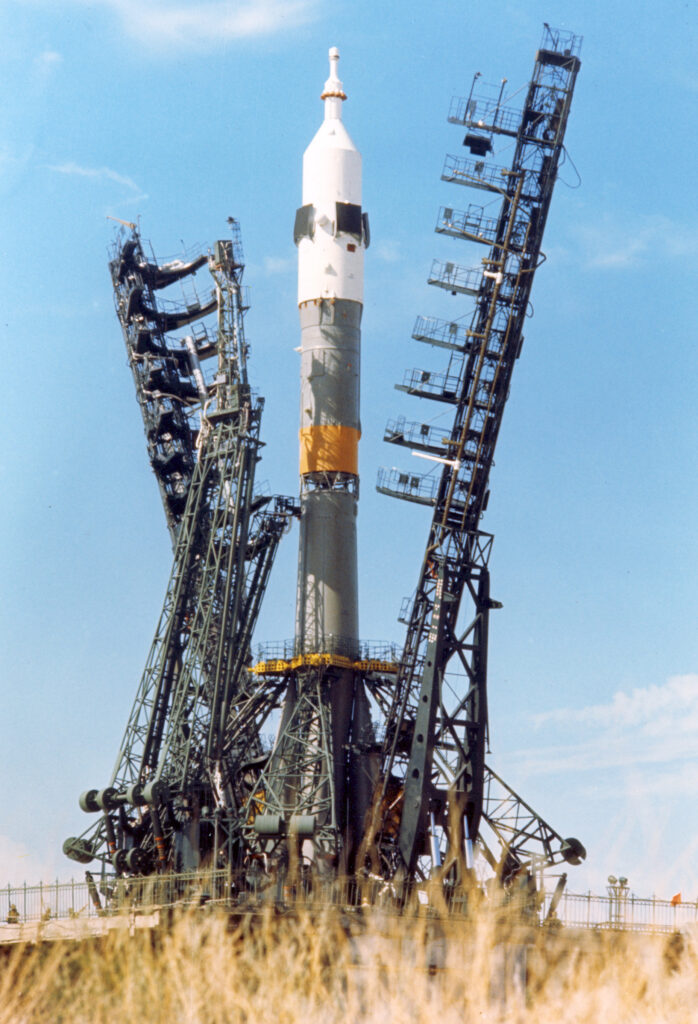
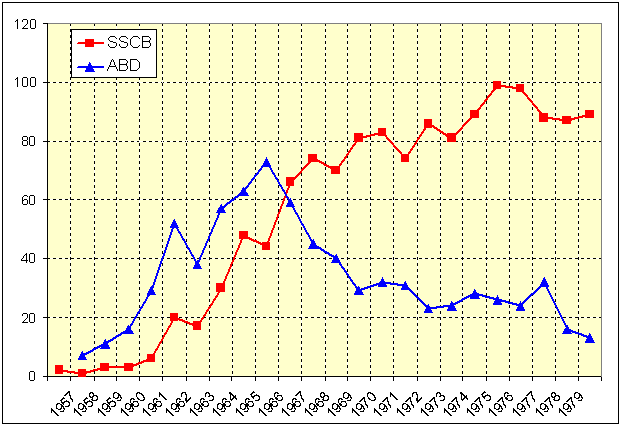
Soviet victories during the early stages of the race gave Moscow considerable political leverage. The first satellite, the first dog in orbit, the first human in space, and the first extravehicular activity produced a strong perception of Soviet superiority. These achievements allowed the USSR to present itself as a technologically advanced society capable of challenging Western dominance in science and military innovation. As these milestones accumulated, diplomatic conversations in Europe, Asia, the Middle East, and Latin America increasingly reflected admiration for Soviet accomplishments.
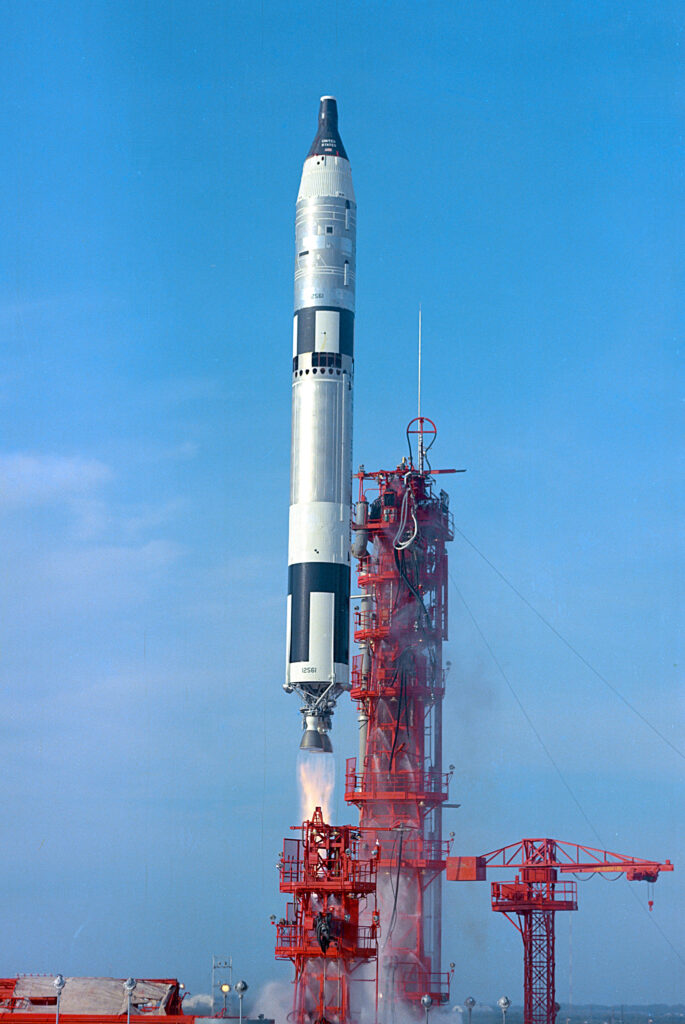
The United States responded by raising the stakes. The Apollo program was conceived not only as a scientific mission but as a demonstration of national capacity. When American astronauts landed on the Moon in 1969, the event captured global attention. Beyond the symbolic achievement, the mission represented decades of accumulated engineering knowledge, the coordination of hundreds of thousands of specialists, and the industrial might required to construct launch vehicles capable of transporting humans to another celestial body. The message communicated to the world was unmistakable. Any nation able to mobilize such vast resources for a peaceful objective was also capable of generating significant power in other domains.
The Moon landing influenced diplomatic alignments, strengthened American credibility, and shifted public perception of technological leadership. For many nations, the outcome of the lunar race served as evidence that the United States had surpassed its rival in innovation and long term planning. Even though the Soviet Union maintained important space capabilities, the symbolic value of the Moon landing became a defining reference point of Cold War competition.
Why Space Was Never Just About Space
Although the images of astronauts, satellites, and rockets captured global imagination, the underlying purpose of the space programs had a deep strategic logic. Orbital technology was inherently dual use. Nearly every advancement supported military capability. Progress in controlling thrust, improving guidance, refining stabilization, and perfecting reentry techniques all translated into improvements in missile systems and defense platforms.
During the 1960s and 1970s, reconnaissance satellites revolutionized intelligence gathering. Nations no longer relied exclusively on human sources, intercepted communications, or risky aircraft overflights. With satellites, decision makers could receive consistent imagery of strategic locations. This allowed analysts to build an accurate picture of military posture, missile development, naval movements, and industrial output within both superpowers. These capabilities helped reduce guesswork and provided a basis for arms control agreements, since satellite imagery could validate compliance.
Early warning satellites emerged as another essential tool. By detecting infrared signatures from missile launches, these systems contributed to stabilizing deterrence. The ability to identify launches in real time gave leaders more time to assess threats and reduced the likelihood of accidental escalation. During a period when errors could have catastrophic consequences, the stabilizing effect of space based detection systems was immense.
Legal and Diplomatic Frameworks in Orbit
Despite the competitive nature of the Cold War, the superpowers recognized the need for rules governing space activity. The 1967 Outer Space Treaty established boundaries that still shape global behavior in orbit today. It prohibited the stationing of nuclear weapons in space and reinforced the idea that space should remain accessible for peaceful exploration. This did not eliminate military use of satellites, but it prevented the most destabilizing possibilities from becoming reality.
Diplomacy played a significant role in maintaining some level of predictability in orbit. As both nations increased their dependence on satellites, they also understood the risks associated with uncontrolled weaponization. Accordingly, they pursued agreements, informal understandings, and regulatory frameworks that preserved some measure of stability. Even as competition continued, these arrangements helped prevent space from becoming an uncontrolled conflict zone.
Cooperation Amid Rivalry
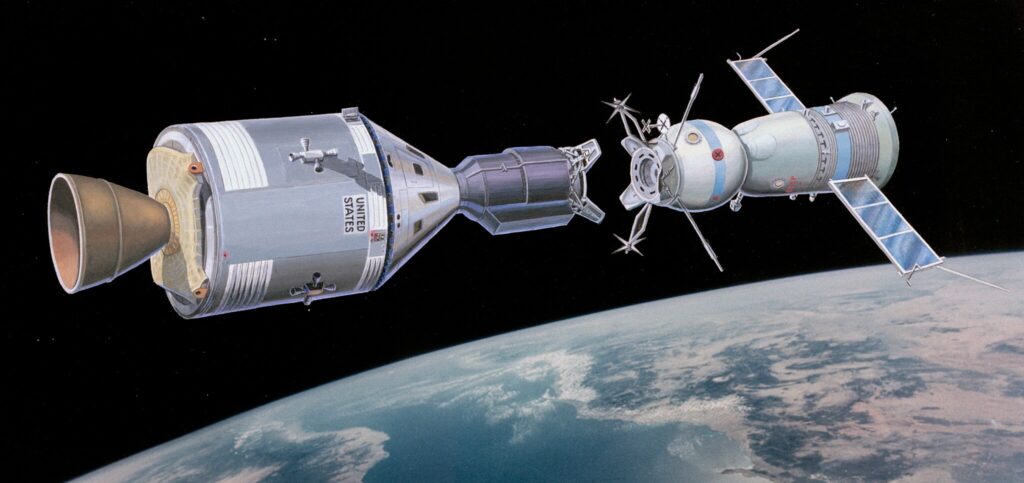
Although rivalry defined most of the period, the Cold War also created opportunities for selective cooperation. The Apollo Soyuz Test Project in 1975 marked an unusual but meaningful moment in history. Astronauts and cosmonauts joined their spacecraft in orbit, conducted experiments, and engaged in symbolic handshakes that were broadcast worldwide. For the scientific community, the mission demonstrated that collaboration remained possible even in moments of tension. For policymakers, it served as a valuable confidence building measure.
These cooperative activities did not change the fundamental nature of the competition. Yet they revealed that coexistence in orbit was feasible and that scientific relationships could endure despite geopolitical pressures. The ability of two rival nations to coordinate such missions suggested that the space domain had the potential for dual identities, serving both national security and international scientific advancement.
A Legacy That Shapes Today
The Cold War ended, but the strategic significance of space has grown. Modern military operations rely on satellites for navigation, communication, reconnaissance, targeting, and secure data transfer. Without space infrastructure, contemporary armed forces would face severe operational limitations. Space has become a fundamental component of national power, influencing economic resilience, technological development, and military readiness.

Current competition between major powers continues to reflect Cold War logic. Nations invest heavily in launch vehicles, anti satellite systems, reusable spacecraft, and constellations of small satellites that provide redundancy and resilience. The domain is expanding as commercial companies acquire capabilities once exclusive to governments. As new actors enter orbit, the strategic environment becomes increasingly complex.
Understanding the Cold War Space Race offers a framework for analyzing today’s dynamics. The patterns established during that period remain relevant. Dual use technology continues to blur the line between civilian and military activities. Satellite infrastructure remains essential for stability. Regulatory frameworks still shape behavior. And above all, space persists as a domain where competition is visible, influence is projected, and national ambitions are made clear.
References
- Muszyński Sulima, W. Cold War in Space: Reconnaissance Satellites and US USSR Strategic Competition. European Journal of American Studies.
- National Aeronautics and Space Administration. Sputnik and the Origins of the Space Age.
- Royal Museums Greenwich. Space Race Timeline.