
Drill & Defense
Advertisement
  • Defense
    • Industry News
    • Weapon & Gear Reviews
    • Defense Technologies
    • Military Market Reports
  • Energy
    • Oil & Gas News
    • Energy Technologies
    • Market Trends & Analysis
  • Cross-Sector Insights
    • Defense & Energy Strategy
    • Global Security & Trade Analysis
    • Tech & Innovation Crossover
  • History & Legacy
    • Turning Points in Conflict
    • Legacy Systems & Structures
    • Resource Wars & Strategy
  • Knowledge Base
    • Defense Know-How
    • Energy Insight
  • About
  • Contact
  • Login
  • Register
No Result
View All Result
  • Defense
    • Industry News
    • Weapon & Gear Reviews
    • Defense Technologies
    • Military Market Reports
  • Energy
    • Oil & Gas News
    • Energy Technologies
    • Market Trends & Analysis
  • Cross-Sector Insights
    • Defense & Energy Strategy
    • Global Security & Trade Analysis
    • Tech & Innovation Crossover
  • History & Legacy
    • Turning Points in Conflict
    • Legacy Systems & Structures
    • Resource Wars & Strategy
  • Knowledge Base
    • Defense Know-How
    • Energy Insight
  • About
  • Contact
  • Login
  • Register
No Result
View All Result
Drill & Defense
No Result
View All Result
Home Energy

The Week Oil Let Go: Why Crude Prices Dropped 12% in Days

June 27, 2025
in Energy, Market Trends & Analysis
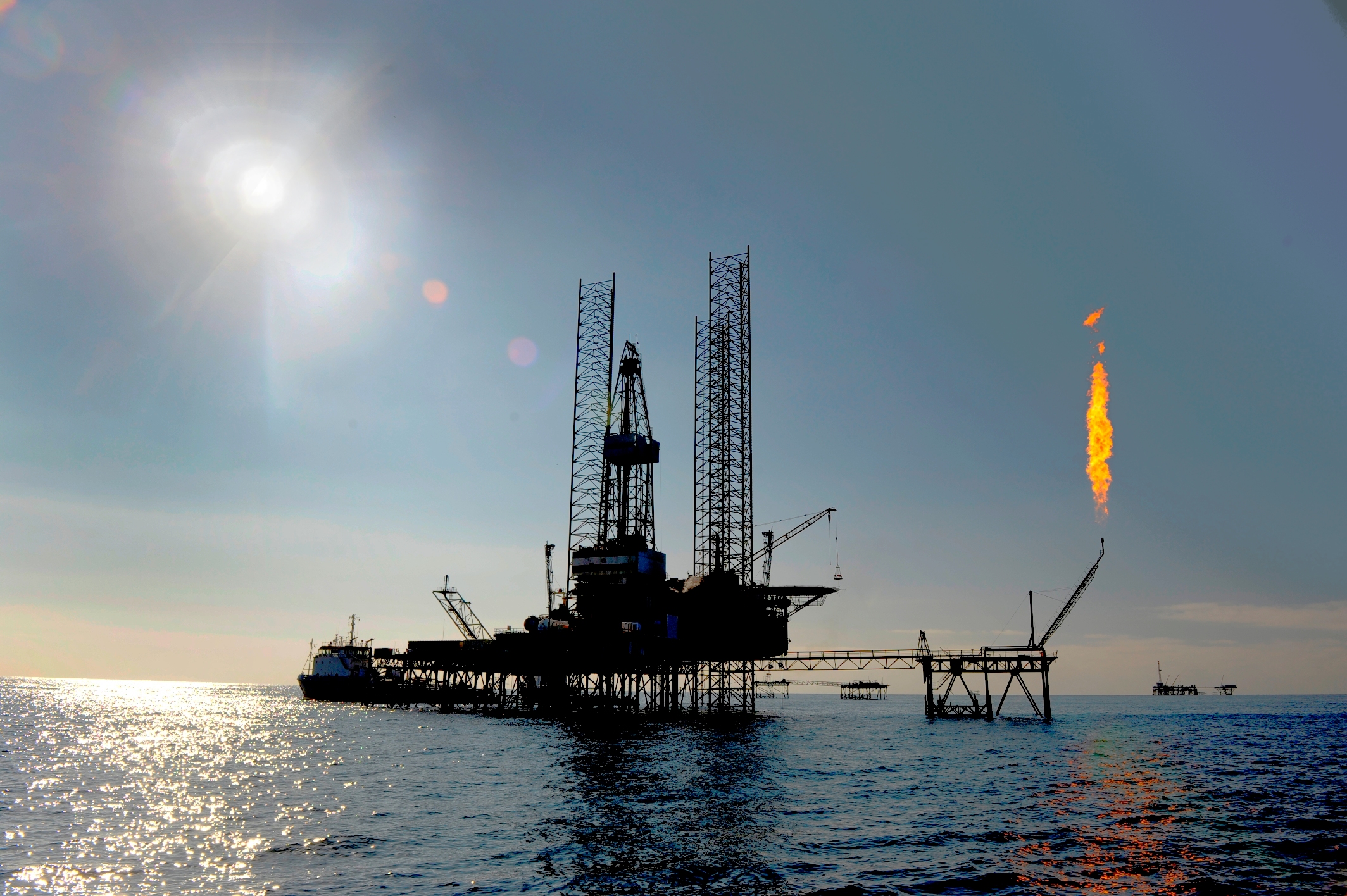
Jack-up-rig-in-the-caspian-sea_1

www.dragonoil.commodifications by Penyulap, CC BY-SA 3.0 , via Wikimedia Commons

Share on LinkedInShare on Twitter

For months, oil markets have been walking on a geopolitical tightrope—tiptoeing around every Israeli airstrike, Iranian threat, or drone incident over the Red Sea. But last week, a dramatic reversal gripped the markets: both Brent and WTI crude prices fell sharply, losing nearly 12% in just five trading days. Investors, traders, and industry observers are now asking the same question: was this the storm before calm, or the calm before a new storm?

Geopolitical Risk Premium Evaporates Overnight

The driving force behind the price drop wasn’t an increase in supply or collapse in demand—it was psychological. The so-called “geopolitical risk premium” that had inflated oil prices for months vanished almost overnight after a ceasefire deal was announced between Israel and Iran. Facilitated discreetly through Swiss and Qatari diplomacy and fronted publicly by former U.S. President Donald Trump, this deal pulled the plug on the war narrative that had driven oil bulls into frenzy.

According to a Goldman Sachs options market analysis cited by Reuters, the perceived chance of a major disruption to oil flows through the Strait of Hormuz—a narrow chokepoint that handles nearly 20% of global oil—dropped below 4% within hours of the announcement.

DmitTrix, CC BY 4.0 https://creativecommons.org/licenses/by/4.0, via Wikimedia Commons

Oil Traders React Fast, Perhaps Too Fast

As the risk premium vanished, so did the speculative pricing. Within a matter of hours, crude futures dipped. WTI fell below $67 per barrel, Brent below $69—levels not seen since early April. While some late-week recovery was noted, driven by lower-than-expected U.S. crude inventories and seasonal demand for gasoline, the broader mood remained bearish.

This quick retreat reflects the speed at which modern oil markets process sentiment. No actual barrels were disrupted. No tankers rerouted. But in an industry so closely tied to emotion and uncertainty, perception often trumps reality.

The Demand Side Remains Uneven

On the demand front, the story is less dramatic. U.S. summer driving season has slightly increased gasoline demand, and inventory drawdowns provided some end-of-week support. Yet, these signals were not strong enough to override the broader geopolitical recalibration. China’s economic slowdown, combined with flat industrial demand in the EU, continues to weigh heavily.

Strategic Implications for the Energy Sector

For upstream producers, this volatility reemphasizes the need for robust risk management. Hedging strategies will likely become more aggressive, particularly for smaller firms exposed to spot markets. Refineries, on the other hand, may enjoy a brief period of margin relief as crude input costs fall—though volatility keeps long-term planning difficult.

Emerging markets that depend heavily on oil imports, such as India or South Africa, stand to benefit in the short term. But those same nations remain vulnerable to any resurgence in conflict—especially around maritime chokepoints like Hormuz or Bab el-Mandeb.

A Market That Breathes with the News Cycle

The past week offers a clear lesson: oil pricing is not just about fundamentals. It’s about momentum, mood, and message. As long as global tension exists, especially involving OPEC members or transport routes, the market will remain sensitive to diplomatic whispers and drone shadows alike.

No barrels moved differently. No pipelines burst. But the words of a few leaders and the signatures of a few diplomats moved prices more than tankers ever could.

We’ll be watching closely—because in energy, calm is usually just the surface.


References:

  • Reuters – Oil set for biggest weekly drop in two years
  • Reuters – US crude oil futures fall as ceasefire announced
  • Business Today – Oil prices fluctuate amid ceasefire, US demand surge
  • Goldman Sachs via Reuters – Market sees slim chance of Hormuz disruption

Previous Post

Britain’s Silent Turn Toward the Nuclear Seas: A Strategic Pivot That Shouldn’t Be Ignored

Next Post

Taiwan’s Strategic Leap into Sea Drones: A New Chapter in Asymmetric Defense

Related Posts

International_Renewable_Energy_Agency_Logo
Market Trends & Analysis

Breaking the Cost Barrier: A New Era in Global Renewable Energy

July 27, 2025
Deep_Value_Driller
Oil & Gas News

Strengthening Türkiye’s Offshore Energy Fleet: A Strategic Leap Forward

July 21, 2025
Oil_platform_P-51_
Energy

Pegasus‑1 and the Pipeline Puzzle: How Will the Gas Reach the Market?

July 17, 2025
Pumpjacks
Energy

Global Oil Markets May Be Tighter Than They Seem: A Mid-2025 Perspective

July 12, 2025
Bp_Logo_in_Bird_Nest_-_panoramio
Oil & Gas News

Reviving Libya’s Oil Landscape: BP & Shell Rejoin the Fray

July 10, 2025
Energy

Pegasus‑1 Discovery: Eastern Mediterranean Enters a New Phase

July 8, 2025
Next Post
Royal Navy

Taiwan’s Strategic Leap into Sea Drones: A New Chapter in Asymmetric Defense

  • Trending
  • Comments
  • Latest
Blackwater PMC

After Blackwater: How PMCs Evolved, Professionalized, and Fragmented

September 13, 2025
Blackwater PMC

Inside Iraq’s Security Market: How Private Power Shapes a Fragile State

October 6, 2025
Operation Enduring Freedom

What Exactly Is a Private Military Company (PMC)?

September 6, 2025
Repkon Nammo in Denmark: What This Nordic Ammunition Play Really Signals

Repkon Nammo in Denmark: What This Nordic Ammunition Play Really Signals

August 21, 2025
A Historic $142 Billion Arms Deal: Unpacking the U.S.-Saudi Agreement

A Historic $142 Billion Arms Deal: Unpacking the U.S.-Saudi Agreement

A Silent Revolution on the Battlefield: AI-Enabled Tactical Communication Systems

A Silent Revolution on the Battlefield: AI-Enabled Tactical Communication Systems

Cominf.org, CC BY-SA 3.0 , via Wikimedia Commons

Is Europe Really Reducing Its Dependence on Russian Gas?

What is ITAR? The Invisible Line in Global Defense Trade

What is ITAR? The Invisible Line in Global Defense Trade

Israel’s F-15 News: What Actually Happened, and Why It Matters

Israel’s F-15 News: What Actually Happened, and Why It Matters

January 1, 2026
SDF and HTS: Managing Tension Without Open Conflict in Northern Syria

SDF and HTS: Managing Tension Without Open Conflict in Northern Syria

December 26, 2025
What 2025 Taught Us About Defense and Energy: Five Lessons for 2026

What 2025 Taught Us About Defense and Energy: Five Lessons for 2026

December 24, 2025
The New Taiwan Arms Package and China’s “Stop” Message: What Actually Changed

The New Taiwan Arms Package and China’s “Stop” Message: What Actually Changed

December 19, 2025

Recent News

Israel’s F-15 News: What Actually Happened, and Why It Matters

Israel’s F-15 News: What Actually Happened, and Why It Matters

January 1, 2026
SDF and HTS: Managing Tension Without Open Conflict in Northern Syria

SDF and HTS: Managing Tension Without Open Conflict in Northern Syria

December 26, 2025
What 2025 Taught Us About Defense and Energy: Five Lessons for 2026

What 2025 Taught Us About Defense and Energy: Five Lessons for 2026

December 24, 2025
The New Taiwan Arms Package and China’s “Stop” Message: What Actually Changed

The New Taiwan Arms Package and China’s “Stop” Message: What Actually Changed

December 19, 2025
Drill & Defense

Drill & Defense is an independent platform providing insights into firearms, defense technologies, and energy sectors. We deliver clear, practical content for professionals, enthusiasts, and industry followers worldwide.

Follow Us

Browse by Category

  • Cross-Sector Insights
  • Defense
  • Defense & Energy Strategy
  • Defense Know-How
  • Defense Technologies
  • Energy
  • Energy Insight
  • Energy Technologies
  • Global Security & Trade Analysis
  • History & Legacy
  • Industry News
  • Knowledge Base
  • Legacy Systems & Structures
  • Market Trends & Analysis
  • Military Market Reports
  • Oil & Gas News
  • Resource Wars & Strategy
  • Tech & Innovation Crossover
  • Turning Points in Conflict
  • Weapon & Gear Reviews

Recent News

Israel’s F-15 News: What Actually Happened, and Why It Matters

Israel’s F-15 News: What Actually Happened, and Why It Matters

January 1, 2026
SDF and HTS: Managing Tension Without Open Conflict in Northern Syria

SDF and HTS: Managing Tension Without Open Conflict in Northern Syria

December 26, 2025

© 2025 Drill & Defense. All rights reserved. Independent insights on firearms, defense, and energy. For business inquiries: info@drillanddefense.com | PRIVACY POLICY | COOKIE POLICY | TERMS AND CONDITIONS

Manage Consent

We use cookies to improve your experience. You can accept or refuse cookies; however, some features may not function properly without your consent.

Functional Always active
The technical storage or access is strictly necessary for the legitimate purpose of enabling the use of a specific service explicitly requested by the subscriber or user, or for the sole purpose of carrying out the transmission of a communication over an electronic communications network.
Preferences
The technical storage or access is necessary for the legitimate purpose of storing preferences that are not requested by the subscriber or user.
Statistics
The technical storage or access that is used exclusively for statistical purposes. The technical storage or access that is used exclusively for anonymous statistical purposes. Without a subpoena, voluntary compliance on the part of your Internet Service Provider, or additional records from a third party, information stored or retrieved for this purpose alone cannot usually be used to identify you.
Marketing
The technical storage or access is required to create user profiles to send advertising, or to track the user on a website or across several websites for similar marketing purposes.
  • Manage options
  • Manage services
  • Manage {vendor_count} vendors
  • Read more about these purposes
View preferences
  • {title}
  • {title}
  • {title}
No Result
View All Result
  • Defense
    • Industry News
    • Weapon & Gear Reviews
    • Defense Technologies
    • Military Market Reports
  • Energy
    • Oil & Gas News
    • Energy Technologies
    • Market Trends & Analysis
  • Cross-Sector Insights
    • Defense & Energy Strategy
    • Global Security & Trade Analysis
    • Tech & Innovation Crossover
  • History & Legacy
    • Turning Points in Conflict
    • Legacy Systems & Structures
    • Resource Wars & Strategy
  • Knowledge Base
    • Defense Know-How
    • Energy Insight
  • About
  • Contact
  • Login
  • Register

© 2025 Drill & Defense. All rights reserved. Independent insights on firearms, defense, and energy. For business inquiries: info@drillanddefense.com | PRIVACY POLICY | COOKIE POLICY | TERMS AND CONDITIONS