
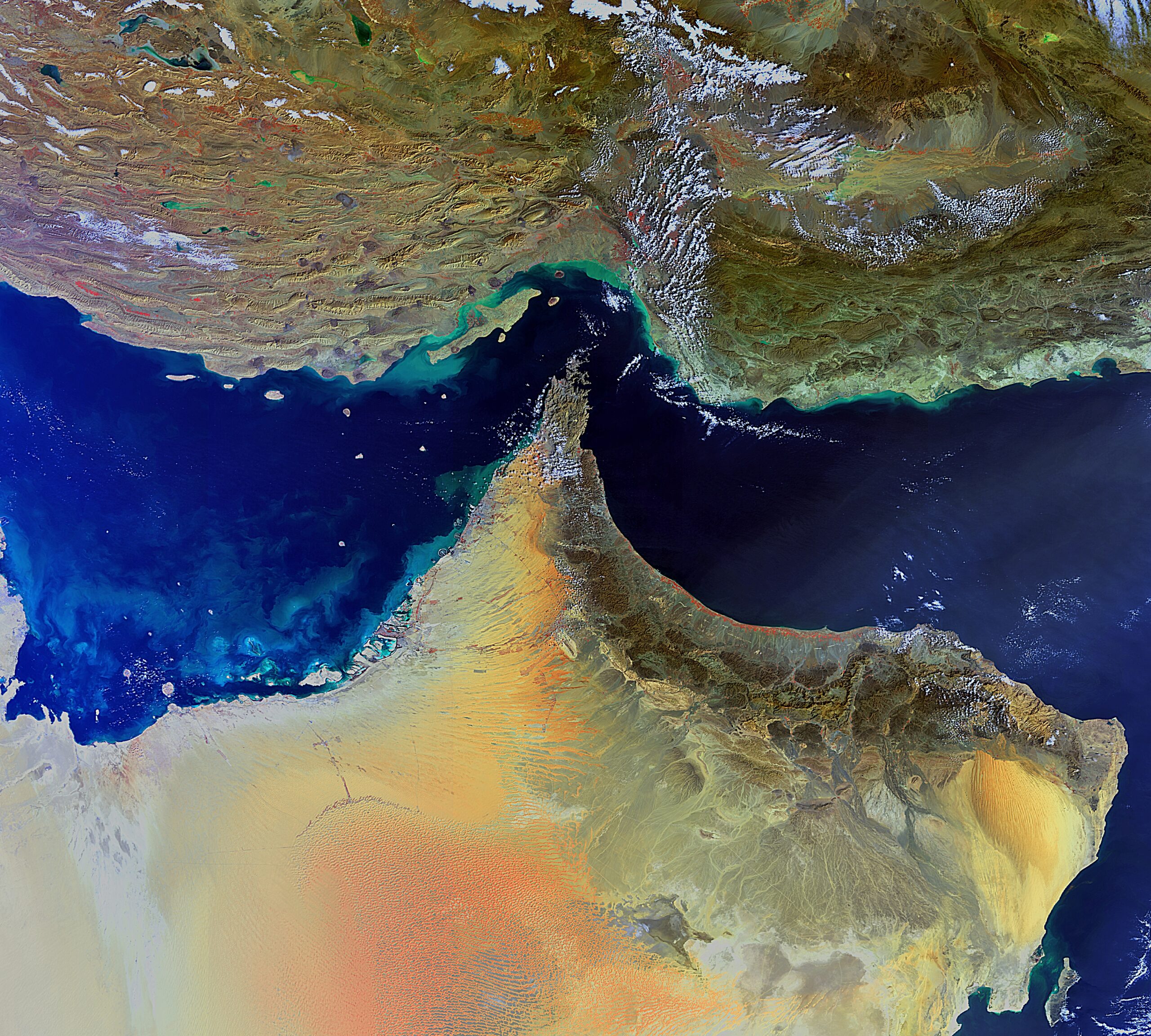
As tensions surge in the Middle East, energy markets worldwide are reassessing risk — particularly around the potential closure of the Strait of Hormuz. This narrow maritime channel sees nearly one-fifth of global oil and a significant portion of liquefied natural gas transit daily. While Iran’s parliament recently voted to close the strait in response to recent strikes, key decisions rest with the Supreme National Security Council.

Why It Matters
- Oil market volatility: Brent futures briefly spiked around 15%, approaching $80 per barrel, before easing as real shipping continued. Goldman Sachs highlights that a protracted closure could push prices north of $100–110 per barrel.
- Supply chain and insurance implications: Global shipping firms — from Hapag-Lloyd to Mitsui OSK — have begun rerouting or delaying Gulf transits, adding cost and uncertainty.
- Economic ripple effects: The IMF warns rising energy costs may slow global growth, and EU‑UK household bills could nearly triple, reaching £4,500 annually if prices spike dramatically.

Corporate Perspective
From a business viewpoint, the Strait acts as a high-stakes lever. Iran may be leveraging parliamentary approval as a strategic play — a temporary supply-shock scare rather than a full closure. Energy executives note that Iran risks self-harm; about 80–90% of its exports depend on passing through Hormuz.
Meanwhile, U.S. forces are deploying naval assets to the region, signaling readiness to protect energy transit routes. However, regional allies like the UAE and Saudi Arabia are balancing between economic diversification and protecting stability.
Strategic Takeaways for Business Leaders
- Monitor risk premiums: Energy prices are factoring in a roughly $12 per barrel premium tied to geopolitical uncertainty. Supply chain planners should stress‑test budget models accordingly.
- Evaluate logistic routes: With insurers increasing premiums and major shipping lines avoiding the Gulf, alternative pipelines or route diversions (e.g., via the Cape of Good Hope) may become viable — though costlier.
- Leverage flexibility: Energy-importing nations like China are already pivoting to Russian or Saudi oil, with rising coal and renewables dampening shock exposure.
What Comes Next?
- Decision day: Iran’s Supreme National Security Council holds the real authority — its move (or pause) will determine how acute the impact becomes.
- Market response: Watch for fleeting surges vs sustained trucking — markets have so far “called Iran’s bluff,” easing after initial jumps.
- Geopolitical crossover: Any escalation may prompt coordinated naval responses and renewed diplomatic pressure, particularly from Gulf states.
References
- “The 6 Miles of Water Keeping Global Markets on Edge,” The Wall Street Journal, June 23, 2025
- “US‑Iran tensions slow tanker traffic through Strait of Hormuz,” New York Post, June 23, 2025
- “Oil prices retreat from 5‑month high…,” Business Insider, June 24, 2025
- “Oil majors fear threat of Iran blocking…,” The Times, June 23, 2025
- “A Strait of Hormuz blockade would barely hurt the US,” Asia Times, June 24, 2025
- Atlantic Council expert analysis, June 23, 2025