
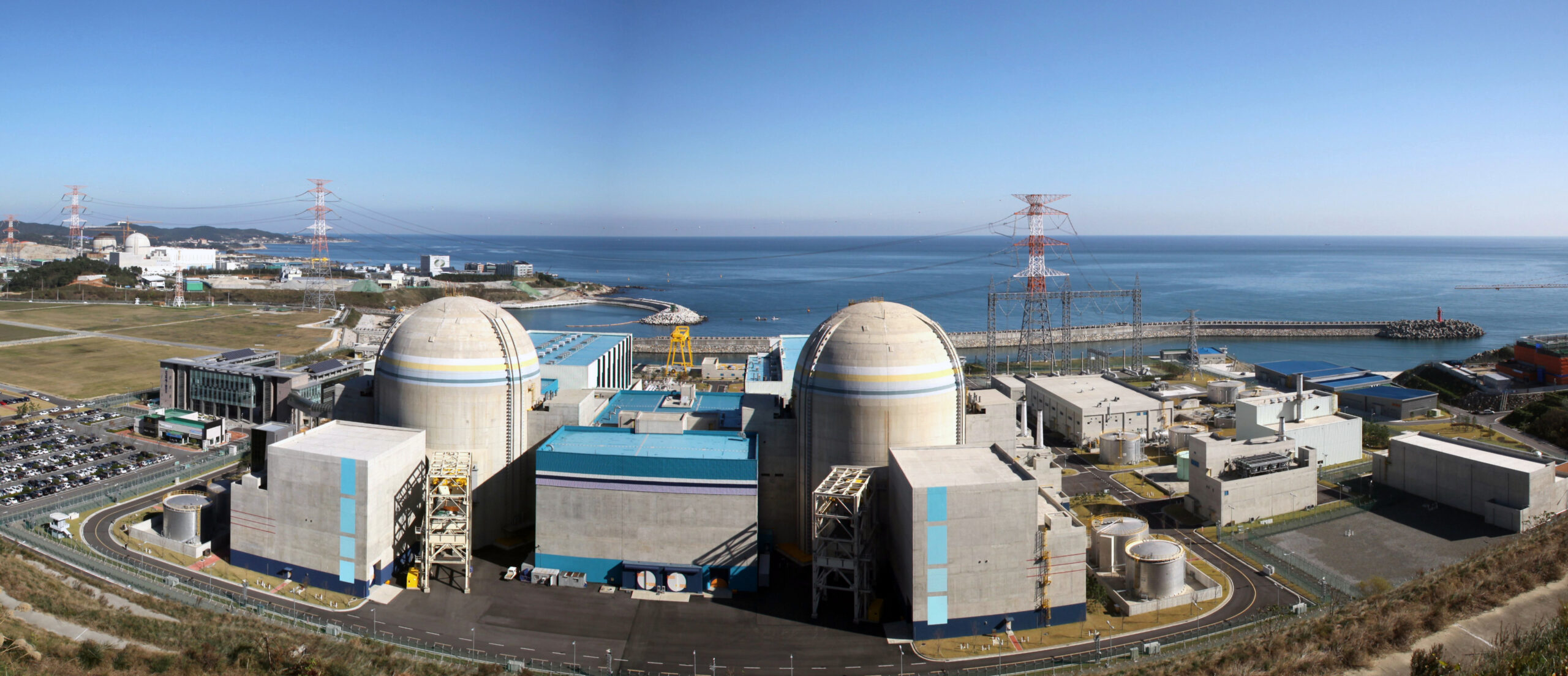
The World Bank’s decision on June 10–11, 2025, to lift its decades-long ban on nuclear energy financing marks a significant paradigm shift in global energy policy. Spearheaded by President Ajay Banga, this move empowers emerging countries to access reliable, low-carbon electricity options—particularly through Small Modular Reactors (SMRs) and the revitalization of existing nuclear facilities.
Why This Change Matters
Power demand in developing countries is expected to more than double by 2035, escalating the need for a multifaceted energy strategy. To meet this, annual investment in power generation, grid infrastructure, and storage must increase from $280 billion to around $630 billion.
Nuclear energy offers:
- Stable, baseload power: Unlike intermittent renewables, nuclear plants provide round-the-clock electricity without CO₂ emissions.
- Scalable solutions through SMRs: These smaller reactors can be deployed incrementally—ideal for nations building nuclear capacity from the ground up.
Multilateral Coordination
The World Bank isn’t going it alone—it’s partnering with the International Atomic Energy Agency (IAEA) to bolster:
- Nuclear safeguards
- Regulatory frameworks
- Non‑proliferation measures
Additionally, the Nuclear Energy Agency (NEA) is collaborating closely, offering technical guidance and policy support to advance global nuclear infrastructure.
Global Implications
This policy shift is part of a broader international re-embrace of nuclear power:
- Europe: Germany, France, and Canada have eased restrictions on nuclear funding.
- Private sector endorsement: Major firms like Amazon, Google, and Meta are backing nuclear expansion to triple capacity by 2050.
- Strategic financing: Developed nations hope this enables them to compete with state-backed nuclear builders like Russia’s Rosatom and Chinese firms in emerging markets.
What This Means for Your Business
As a forward-looking organization, your opportunities include:
- Project financing & advisory
Participate in or support SMR deployments, retrofits of existing reactors, and grid modernization—all eligible for World Bank funding. - Regulatory consulting
Help nations strengthen nuclear oversight via IAEA-aligned frameworks. - Strategic partnerships
Collaborate with international players like NEA, IAEA, and other MDBs to scale nuclear energy responsibly. - Market positioning
Support clients in low- and middle-income countries seeking clean, reliable electrification—nuclear now enters the conversation alongside renewables.
Key Takeaways
- The World Bank’s new stance allows funding for nuclear projects—long a missing piece in energy investment portfolios.
- Multilateral coordination ensures robust safety, non-proliferation, and governance standards .
- This shift empowers your firm to explore institutional financing, project management, and policy support in nuclear energy—a field poised for growth as part of the global clean energy transition.
Sources:
https://www.ft.com/content/d80b68ec-3da8-42ea-82ee-4cab22b31a69
https://www.world-nuclear-news.org/Articles/World-Bank-removes-nuclear-financing-ban
https://www.atlanticcouncil.org/blogs/energysource/why-the-world-banks-nuclear-rethink-matters