

In a world increasingly shaped by energy politics, pipeline diplomacy, and shifting regional power dynamics, a single offshore gas field can redefine relationships—and redraw maps. That’s exactly what might be happening in the Caspian Sea right now.

Turkey’s state-run energy company TPAO is joining forces with Azerbaijan’s SOCAR and British oil major BP in a landmark partnership to develop the Shafag-Asiman gas field—an offshore block in the southern Caspian Sea believed to hold significant reserves. For some, this might read as just another resource deal. But if you look a little deeper, you’ll find this isn’t just about gas—it’s about future-proofing Turkey’s energy strategy, influencing regional power dynamics, and opening a new chapter in the country’s long-term geopolitical playbook.
Let me walk you through it.
Shafag-Asiman: What and Where?
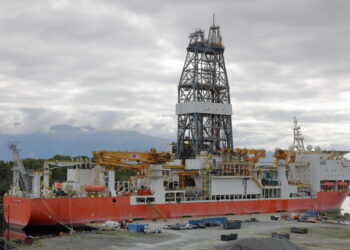
The Shafag-Asiman block lies roughly 125 km southeast of Baku in waters as deep as 800 meters. While this area has been known since the early 2000s, serious exploration began only in the last decade. In 2020, BP drilled the first exploration well, and the results were promising, though commercial viability remained under review. Now, in 2025, with advanced tech, better seismic data, and—more importantly—favorable geopolitical winds, the project is gaining full traction.
In this new arrangement, TPAO is set to acquire a 30% stake in the block, while BP will retain operatorship and SOCAR continues as a major shareholder. This three-party collaboration speaks volumes not just about trust but about long-term alignment of economic and strategic goals.
Why This Matters for Turkey
If you’ve been following Turkey’s energy moves over the last decade, you know the playbook: diversify sources, invest in upstream projects, reduce dependency on Russian and Iranian gas, and—critically—position Turkey as a regional energy hub.
This deal aligns perfectly with that vision.
Turkey currently imports over 90% of its energy needs. By investing in production abroad, especially in friendly, stable, and strategically aligned countries like Azerbaijan, Turkey is essentially planting flags in energy-rich soil. And not just for itself. If this project goes as planned, the gas could eventually flow westward—through the existing South Caucasus Pipeline and TANAP—ultimately feeding the European market. That makes Ankara not only a customer, but a partner in Europe’s energy security architecture.
So this is more than just a gas deal—it’s a power play.
Beyond Fossil Fuels: A Green Twist?
Here’s the part that hasn’t gotten much media attention: alongside this offshore gas cooperation, Turkey and Azerbaijan are reportedly in talks to develop renewable energy projects in the autonomous Nakhchivan region, with ambitions to export this green power to Europe via Turkish infrastructure.
Yes, fossil fuels still dominate the energy narrative, but Ankara is smart enough to hedge its bets. By combining conventional and renewable projects in the same geopolitical corridor, Turkey is future-proofing its energy diplomacy—and signaling to Europe that it’s serious about transition goals.
This hybrid energy strategy, if executed properly, could make Turkey indispensable—not just to its Eastern neighbors, but to Brussels as well.
The BP Factor: A Sign of Stability?
BP isn’t just a global oil giant; it’s also a symbol of trust in long-term stability. Despite political turbulence in the region over the years, BP has remained committed to its Azeri operations since the 1990s.
By continuing as the operator of the Shafag-Asiman project and bringing TPAO on board, BP is essentially giving a vote of confidence—not only to Azerbaijan’s offshore sector but also to Turkey’s role as a reliable partner. In a post-Ukraine war world where Western energy firms are increasingly cautious about where they put their rigs, that says something.
Geopolitical Undercurrents
This deal sends ripples far beyond Baku or Ankara.
Russia watches every Caspian energy move with concern. Although Moscow has its own resource reserves, any new source of non-Russian gas making its way into Europe undermines its leverage. Iran, too, keeps a close eye on offshore activities in the Caspian, especially involving foreign players.
For Europe, however, this could be great news. With uncertainty surrounding gas flows from the East, projects like Shafag-Asiman offer both supply security and a non-Russian alternative—exactly what the EU energy planners dream of.
And as for the U.S.? Even though it’s not directly involved, Washington is likely to quietly support any project that strengthens NATO ally Turkey’s economic resilience and energy independence.
Final Thoughts: What This Means Going Forward
Energy isn’t just about electrons or hydrocarbons. It’s about influence, alliances, and positioning. Turkey’s move to invest directly in the Shafag-Asiman gas field with BP and SOCAR is a strategic statement: We’re not just consuming energy; we’re producing it. We’re not just transiting gas; we’re shaping its flow.
For readers following the defense-energy nexus, this is especially relevant. Control over resources has always translated into control over regional dynamics. And in a decade where energy infrastructure may be as contested as territory itself, Turkey is clearly preparing for more than just winter gas bills—it’s preparing for influence.
Keep watching the Caspian.
Sources: