
From 23 to 27 June 2025, the United Nations is hosting a pivotal preparatory meeting in New York to advance the Global Framework for Through-Life Conventional Ammunition Management (GFA). This event marks a critical juncture toward the formal intergovernmental conference scheduled for 2027. As an organization firmly invested in responsible arms trade, it’s essential we examine why this framework matters—and how it can shape the future of small arms and ammunition management globally.

1. What’s at Stake?
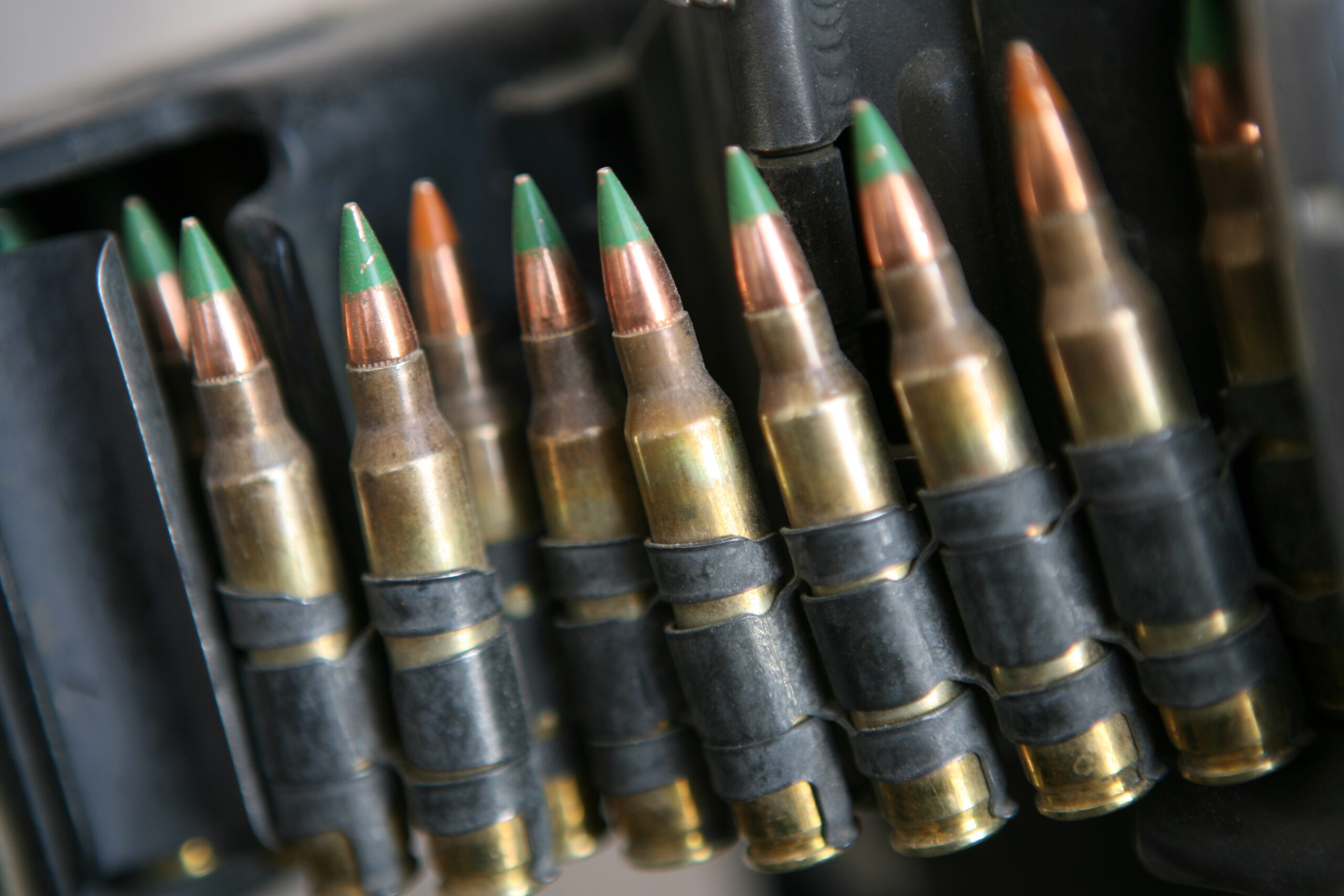
The GFA encapsulates 15 objectives and 85 concrete measures aimed at addressing the entire ammunition lifecycle—from manufacturing and storage to transport, utilization, and disposal. This initiative targets major risks globally: illicit diversion, unplanned explosions at storage facilities, and inadequate record-keeping. For stakeholders in the private sector, including certified dealers and manufacturers, the initiative signals a shift toward heightened transparency and accountability requirements.

2. Corporate Implications and Strategic Alignments
Strengthened Compliance Expectations
Though the GFA isn’t a binding treaty, its objectives serve as powerful benchmarks. Businesses may soon face tighter compliance obligations tied to procurement contracts and export licenses. Best practice: start auditing inventory and implementing blockchain or other traceability systems ahead of potential regulatory expectations.
Innovation in Safety and Technology
Side events such as “Technically Transformative: Overcoming Barriers to Women’s Meaningful Participation in Ammunition Management” reflect an interest not only in inclusivity but also in technical innovation. Forward-thinking companies would do well by investing in safer storage solutions, gender-inclusive workforce programs, and advanced monitoring technologies.
Stakeholder Engagement Opportunities
The New York meeting welcomes not just states, but also international/regional organizations, civil society, academia, and industry. This multi-stakeholder format presents an ideal platform for firms to engage directly, share expertise, and influence implementation frameworks. Sponsorship programs enabling participation from low-income states further broaden the inclusivity of discussions.
3. Why Now? Timing and Context
This preparatory meeting follows UN General Assembly Resolution 79/54 and is a stepping-stone toward the 2027 State-level conference. With global ammunition flow increasing—and safety incidents frequently reported—the sense of urgency is high among all actors. The meeting also signals a collective recognition that unregulated arms proliferation undermines both security and market integrity.
4. Side Events Highlight Real-World Challenges
Key side gatherings during this week address pressing topics:
- Women’s Participation: Recognizing the importance of gender equity in technical roles and leadership within ammunition management.
- Traceability: Focused on overcoming illicit trafficking and diversion with modern forensic and digital tracking methods.
- Knowledge Sharing: Experts from UNODA, UNIDIR, Small Arms Survey, and others exchange best practices for turning policy into action.
These sessions aren’t merely theoretical—they offer tangible blueprints for operational excellence and risk mitigation.
5. How Your Business Can Position Itself
- Pre-emptive Compliance: Use this year to review internal ammunition inventory systems. Align them with the GFA’s lifecycle approach.
- Pilot Innovation Projects: Consider volunteering in local pilot programs (e.g., traceability or gender-diversified tech teams) as they emerge from UN or regional partners.
- Public-Private Partnerships: Leverage the meeting’s multi-stakeholder nature—your organization can showcase technical solutions or safety innovations and gain visibility among influential decision-makers.
6. Final Reflections
The 2025 Preparatory Meeting is more than a diplomatic event—it’s a turning point. By proactively engaging with the Global Framework for Through-Life Ammunition Management, your enterprise:
- Becomes a recognized partner at the forefront of international standard-setting.
- Anticipates future compliance regimes and adapts before regulations take hold.
- Gains credibility through innovation, inclusivity, and ethical stewardship.
At a time when responsible ammunition governance is rising on global agendas, forward-leaning companies can lead, not follow.
Sources
- United Nations Office for Disarmament Affairs: Preparatory meeting details, agenda, and sponsorship
- Small Arms Survey: GFA objectives, side events, and technical focus
- Reaching Critical Will / WILPF: Event context and UN calendar inclusion