
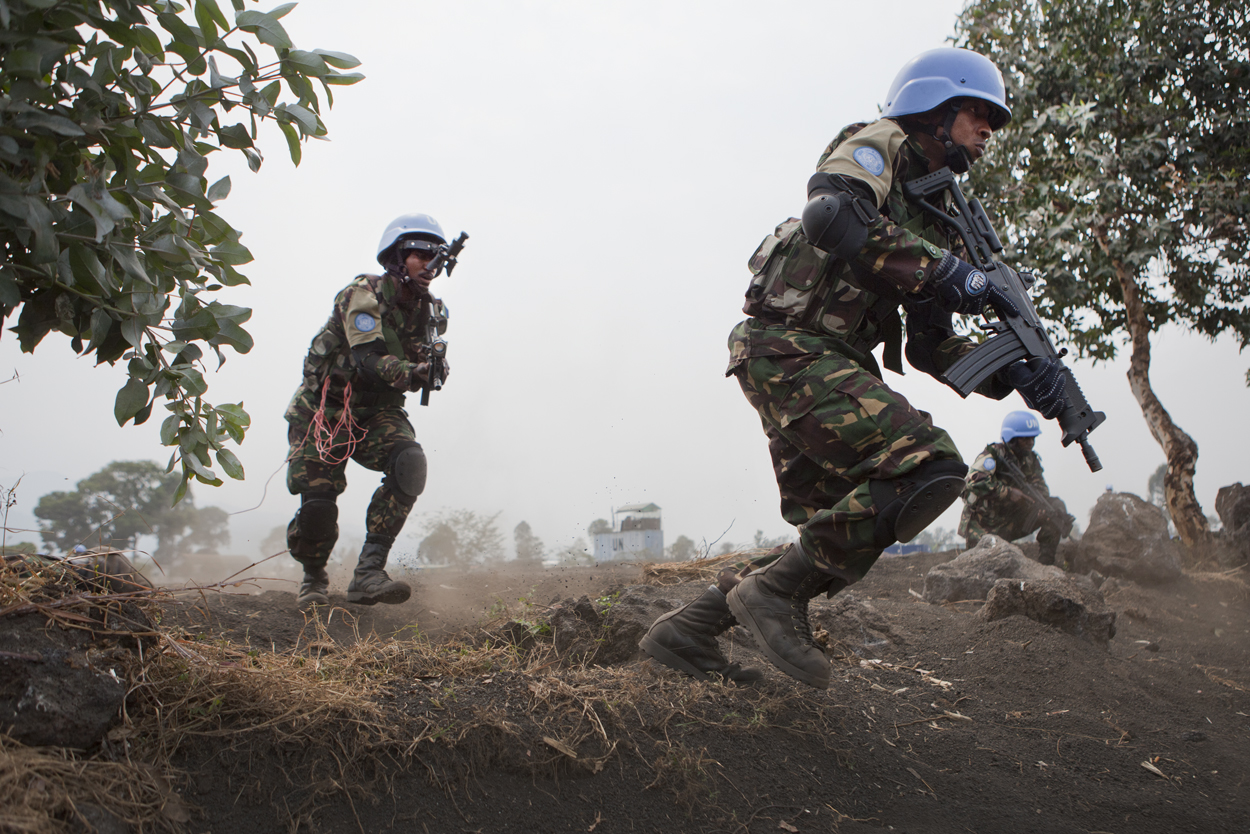
If you follow the Democratic Republic of the Congo (DRC), you know MONUSCO is entering a late phase of its mandate while violence continues in the east. That tension withdrawal amid escalation defines 2025. The UN mission remains tasked to protect civilians, support disarmament and stabilisation, and assist security sector reform, even as it redeploys and winds down in provinces where it once had a strong footprint. For readers who track risk, compliance, or supply-chain exposure to the Great Lakes, the next 12 to 18 months are not a technical handover; they are a stress test of whether Congolese institutions and regional diplomacy can carry the security burden without a large UN presence.

The Mandate, on Paper and in Practice
The Security Council renewed MONUSCO’s mandate to 20 December 2025, keeping three core priorities: civilian protection, DDR/SSR support, and stabilisation. That legal clarity matters because it frames what UN contingents can and cannot do while exiting some areas and reinforcing others. It also matters for partners, INGOs, development banks, and private operators who align field planning with the mission’s footprint and political cover. In practice, mandate execution is constrained by terrain, the multiplicity of armed actors, and the regional dimension of the M23 conflict. The policy takeaway for stakeholders is simple: treat “mandate” as necessary but insufficient; capacity, consent, and coordination shape outcomes on the ground.
The Drawdown Timeline and What Changed
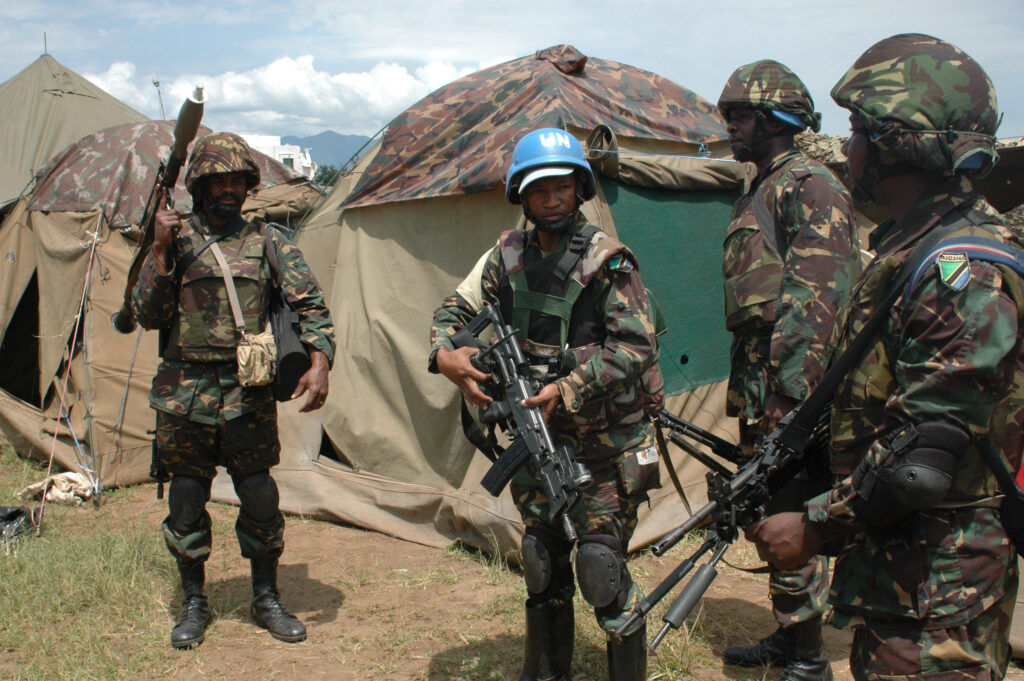
MONUSCO completed its withdrawal from South Kivu in mid-2024 and now limits operations to North Kivu and Ituri. Originally, Kinshasa pressed for a faster, broader departure; since then, both the government and the Council have adjusted to realities in the east, where front lines, displacement, and cross-border entanglements make a cliff-edge exit risky. For operational planning, that means the mission’s “managed exit” is iterative: step down where state forces and local authorities can assume tasks, hold fast where civilian harm risks spike, and leave space for regional diplomatic tracks to show results.
Protection of Civilians Under Pressure
Readers expect a frank view: protection outcomes are mixed and heavily context-dependent. Where UN units retain mobility and political access, they deter opportunistic violence and keep humanitarian corridors open. Where they thin out, the calculus of local militias and larger formations like M23 shifts quickly. Current humanitarian indicators are sobering large-scale displacement and serious supply disruptions across health facilities—signalling that civilian protection is about more than patrol patterns; it is about whether basic services can function in contested zones. Treat these metrics as leading indicators of area denial and governance erosion, not as isolated sectoral problems.
The M23 Factor and Regional Dynamics
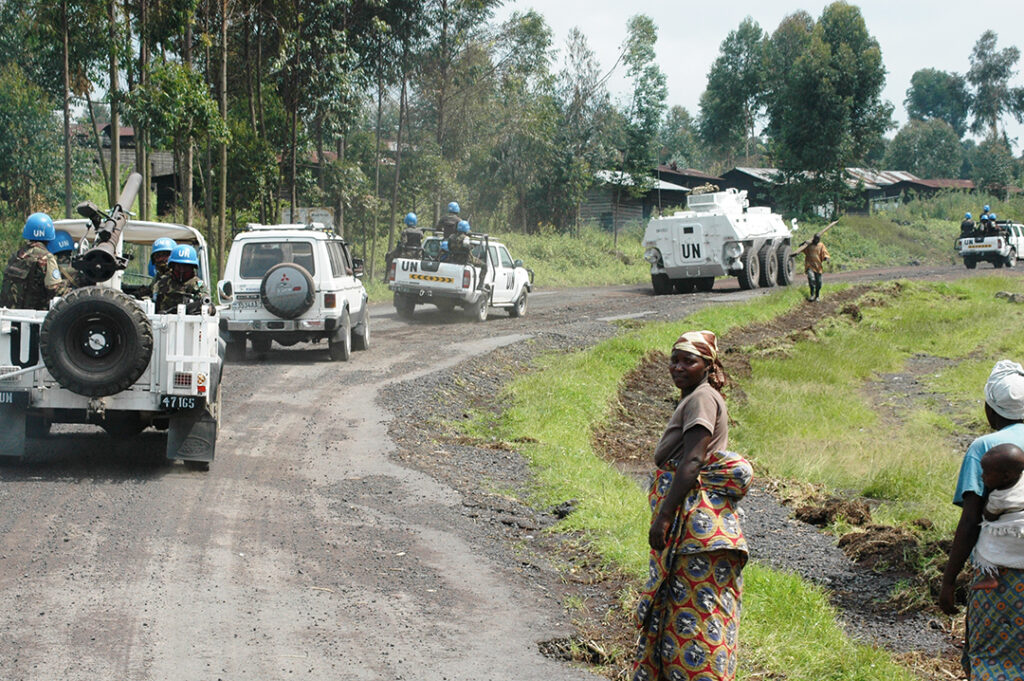
No analysis of 2025 can ignore the resurgence of M23 and its regional implications. The movement’s battlefield performance, logistics, and cross-border enablers have reshaped security calculations around Goma and strategic road networks. Kigali and Kinshasa narrate the conflict very differently, and those narratives drive diplomatic positions at the AU and UN. For operational actors—commercial and humanitarian—the lesson is prudence: anticipate rapid changes in access, plan redundancies in supply routes, and track not only ceasefire language but also enforcement mechanisms and incentives.
Humanitarian Space Is Shrinking
The steep degradation of health-service availability in North and South Kivu is not a side story; it is a critical constraint on stabilisation itself. When clinics lack medicines, staff flee, and referral systems break down, any security gains are hard to consolidate. Funding shortfalls compound the problem, pushing agencies to triage. For a mission whose credibility is linked to civilian outcomes, these deficits reduce the bandwidth to de-escalate local conflicts: communities that cannot access care or commerce are less resilient to recruitment pressures and revenge cycles. Expect more emphasis on civil-military deconfliction to reopen access, but do not assume that will hold without sustained resources.
Measuring Effectiveness, Choose the Right Yardsticks
Peace operation debates often get stuck on “success or failure” binaries. A more useful frame is differential effect: Did the mission reduce civilian harm in specific districts at specific times? Did it expand the space for political deals? Did it prevent a regional spillover? Past comparative work on UN operations suggests that fatality trends and “presence effects” vary over time and are sensitive to mandate design, host-state consent, and regional buy-in. For boards and donors, that implies monitoring should privilege sub-national indicators and time-bound counterfactuals—not national averages.
Politics, Not Just Patrols
You read this often because it remains true: stabilisation is a political process. In eastern DRC, security arrangements run through provincial elites, customary authorities, business networks around minerals, and neighbours with their own threat perceptions. The UN’s political good offices—quiet shuttle diplomacy, support to demobilisation schemes, and security-sector reform are leverage points that rarely generate headlines but shape the risk environment for everyone else. As the mission shrinks, those political functions will need explicit resourcing and regional coordination to avoid a vacuum.
What Partners Should Do Now
For humanitarian and development partners: build contingency for service delivery across multiple corridors; link assistance to local conflict-sensitivity analysis rather than generic province-level risk maps. For private operators: integrate scenario planning that includes temporary loss of access to Goma-centric logistics, episodic telecom disruptions, and curfews or movement restrictions tied to kinetic surges. For both: establish information-sharing protocols with provincial authorities and community structures before, not after, front lines shift. This is less about replacing MONUSCO than about recognising that a thinner UN presence raises the premium on local relationships.
Looking Ahead: A Hand-Off, Not a Vacuum
A credible hand-off requires three things: clear delineation of responsibilities among Congolese security actors and provincial authorities; regional guardrails to dampen escalatory incentives around M23 and other armed groups; and humanitarian resourcing that stabilises essential services through the 2025 transition window. None of these sits purely within MONUSCO’s control; all of them are influenced by how national, regional, and international stakeholders sequence their actions. Readers should track not just the mission’s troop numbers, but also the quality of political settlements being attempted in parallel. The mission’s final year is unlikely to deliver clean narratives, but it can still deliver meaningful risk reduction if the drawdown remains conditions-based and diplomacy keeps pace with events.
References
- United Nations Security Council, Resolution 2765 (2024) renewing MONUSCO’s mandate to 20 December 2025.
- UN Press coverage of Resolution 2765 and mandate priorities.
- MONUSCO announcement and UN Peacekeeping note on cessation of operations in South Kivu and geographic refocus.