
Written by Ido Kalev.

Modern battlefields are no longer defined solely by firepower and armor, but by something far more decisive: the speed and clarity of information.
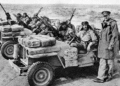
I first confronted that reality during Operation Defensive Shield. As a team leader involved in an operation supporting forces from Shayetet 13, I witnessed firsthand how fragmented communication between armored units, infantry forces, and special operations teams could create dangerous gaps in situational awareness. The battlefield was not only contested by opposing forces. It was clouded by uncertainty. Information moved slowly. Situational awareness was incomplete. Decisions had to be made while commanders were still trying to understand the full picture.
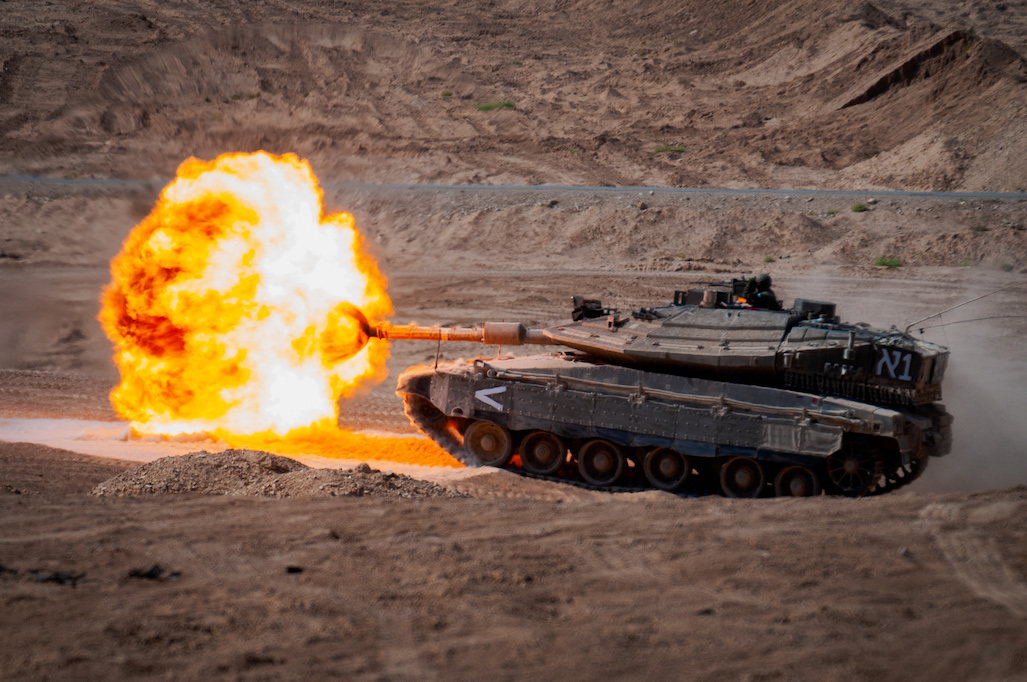
That experience revealed something fundamental about modern warfare. The greatest danger is often not the enemy you see, but the information you lack. Two decades later, the evolution of armored warfare reflects an effort to solve exactly that problem. Platforms such as the Merkava Mark IV Barak represent more than a new generation of armored technology. They represent a transformation in how the battlefield itself is understood.
The Cold War DNA of Western Tanks
Many of the most famous modern tanks were born in the strategic environment of the Cold War.
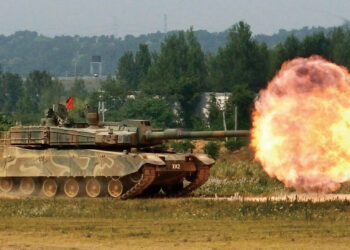
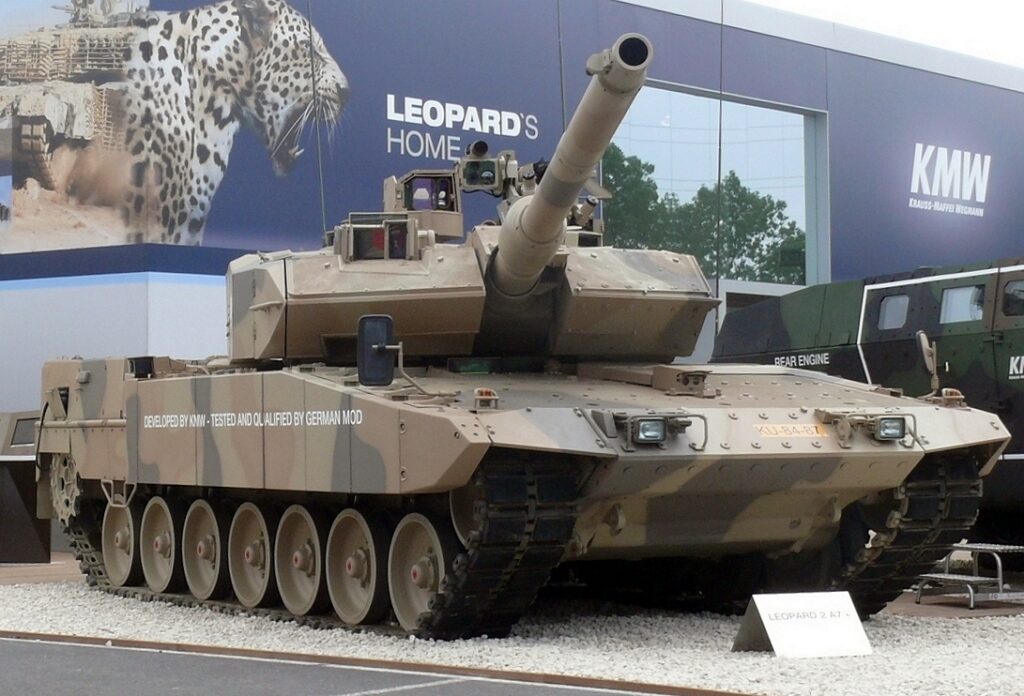
Platforms such as the American M1A2 Abrams and Germany’s Leopard 2A7 were designed primarily for large-scale maneuver warfare against peer armored forces. Their design philosophy emphasized overwhelming firepower, heavy frontal armor, and high mobility across open terrain.
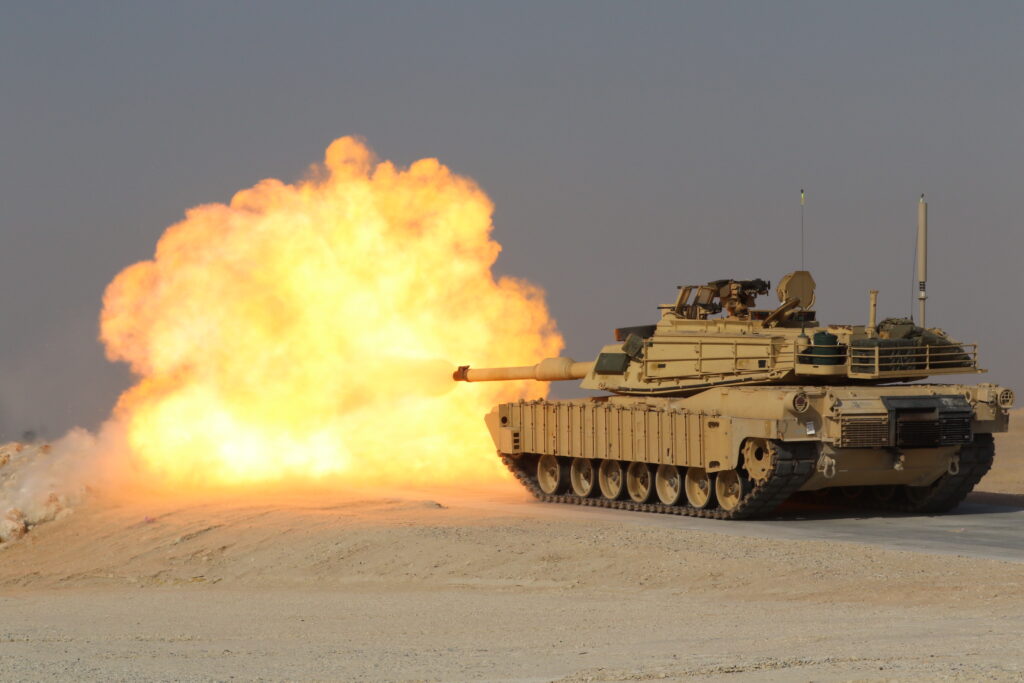
These tanks were built for a battlefield where large armored formations would clash across the plains of Europe. Victory depended on firepower, armor protection, and maneuver. In this environment, the tank was primarily a platform designed to destroy other tanks.
But the battlefield that shaped Israeli armored doctrine was very different.
A Different Operational Reality
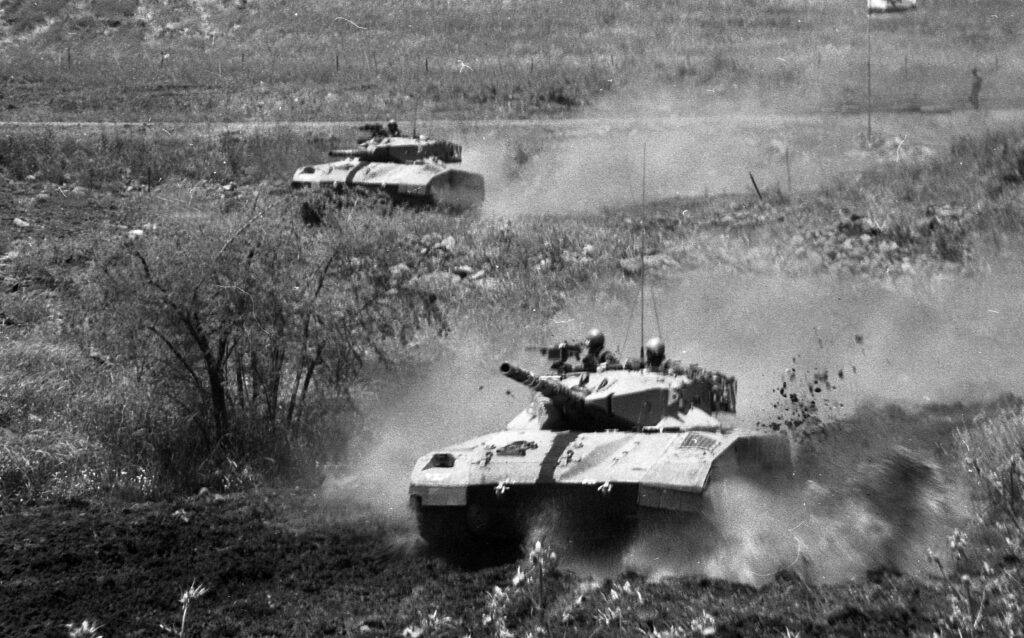
Israel’s operational environment has rarely resembled the large-scale armored battles envisioned during the Cold War. Instead, Israeli armored forces often operate in complex environments where tanks function alongside infantry units, intelligence teams, engineering forces, and special operations units. Urban terrain, asymmetric threats, anti-tank missiles, and dense operational environments shaped the design philosophy of the Merkava.
From its earliest versions, the Merkava emphasized something unusual in tank design: crew survivability. The internal layout, armor configuration, and operational integration of the vehicle were all designed with the protection of the crew as the primary priority. But as warfare evolved, the Merkava concept evolved as well.
A Global Perspective – Lessons from Russian Armor
While Western armored doctrine was shaped largely by Cold War maneuver warfare, Russian tank design followed a different path.
The T-90, one of Russia’s most widely deployed modern tanks, reflects a philosophy built around compact design, offensive maneuver, and large numbers of armored vehicles operating together. Russian doctrine traditionally emphasized speed of deployment, lower vehicle profiles, and the ability to deploy armored formations rapidly across large distances.
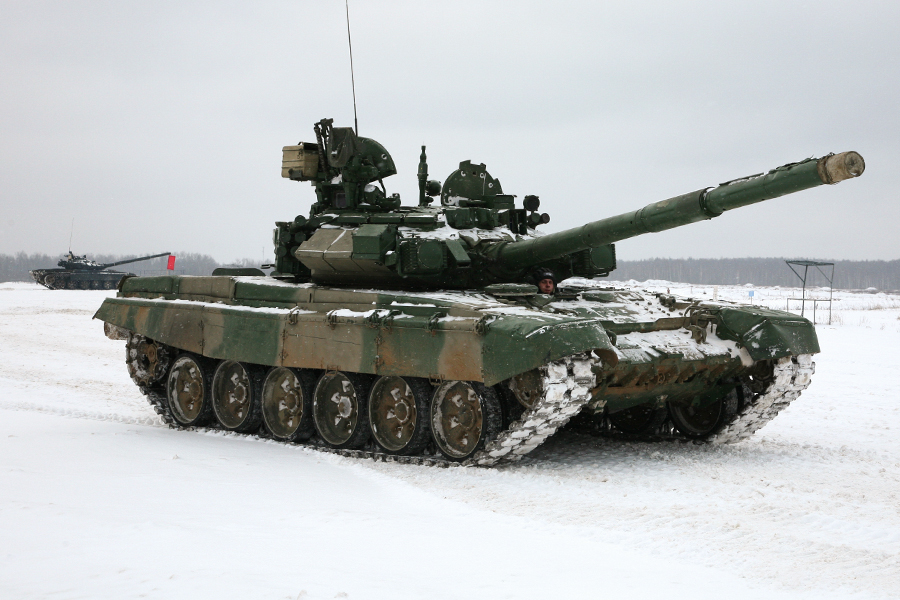
However, recent conflicts have exposed new vulnerabilities in traditional armored doctrine. Battlefields saturated with anti-tank missiles, drones, and real-time intelligence have challenged the survivability of tanks operating without integrated protection systems or battlefield networking.
These developments highlight an important shift in armored warfare. The decisive factor is no longer simply armor thickness or gun caliber, but the ability of armored platforms to operate as part of a connected combat system.
Lessons from the War in Ukraine
Recent combat in Ukraine has provided one of the clearest demonstrations of how rapidly armored warfare is evolving. Both Russian and Ukrainian forces have relied heavily on tanks such as the T-90 and other Soviet-era platforms. Yet the battlefield they entered was dramatically different from the armored conflicts many of these systems were originally designed for. One of the most transformative factors has been the widespread use of drones. Unmanned aerial systems now provide real-time reconnaissance, artillery targeting, battlefield surveillance, and direct strike capabilities against armored vehicles.
In such an environment, tanks operating without strong integration into a wider battlefield network become significantly more vulnerable. Anti-tank missiles, loitering munitions, and drone-guided artillery have demonstrated how quickly armored formations can be exposed and engaged. These developments do not signal the end of the tank. Rather, they highlight the necessity for armored platforms to operate as part of a fully integrated combat system.
The Economics of Modern Warfare
Another factor increasingly shaping armored warfare is cost asymmetry.
Modern main battle tanks represent some of the most sophisticated and expensive platforms on the battlefield. Vehicles such as the Abrams, Leopard 2, or Merkava can cost millions of dollars and require extensive logistical support. By contrast, many of the weapons capable of threatening them are relatively inexpensive. Anti-tank guided missiles, loitering munitions, and small attack drones can often be produced at a fraction of the cost of the armored platforms they target.
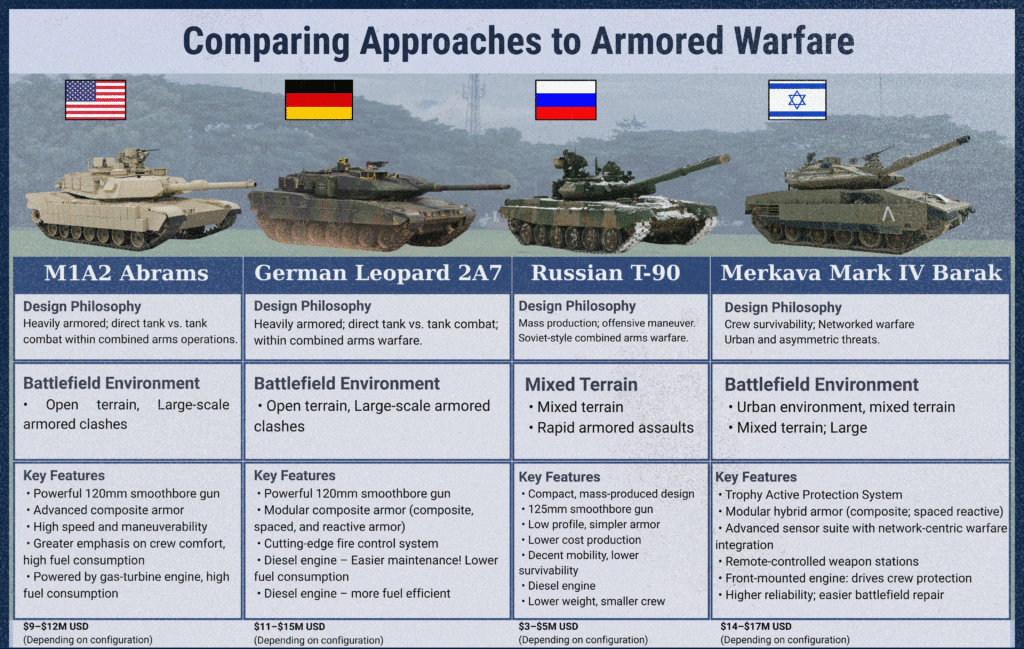
Images sourced from: Leopard 2A7 (AMB Brescia from flickrderivative work: High Contrast, CC BY 2.0), Merkava 4 (Zachi Evenor and User:MathKnight, CC BY-SA 4.0), T-90 (Mil.ru, CC BY 4.0).
This economic imbalance has introduced a new strategic challenge. Armored forces must now operate in environments where relatively inexpensive technologies can threaten extremely valuable platforms. The response has not been to abandon armored warfare, but to rethink how these platforms operate within integrated systems that combine protection, intelligence, and coordination with other forces.
Anti-Tank Missiles and Active Protection
One of the most significant challenges to modern armor has been the proliferation of advanced anti-tank guided missiles. Non-state actors and conventional armies alike have increasingly relied on these weapons to neutralize armored platforms. To counter this threat, Israel developed the Trophy Active Protection System. Trophy detects incoming threats and intercepts them before they strike the vehicle.
While no defensive system can guarantee absolute protection, active protection systems such as Trophy have fundamentally altered the balance between offense and defense on the battlefield.
Operational experience against organizations such as Hezbollah has demonstrated both the severity of the anti-tank threat and the necessity of layered protection systems.
Combined Arms in Urban Warfare
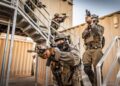
In modern conflicts, tanks rarely operate alone. Armored units typically advance alongside infantry forces and engineering units, forming integrated combat teams capable of addressing the complexity of modern battlefields. In many operations, tanks may move forward to secure positions and create protected corridors for advancing troops.
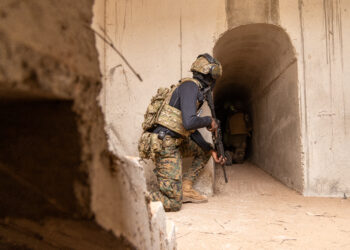
Engineering units play a critical role. Heavily armored platforms such as the Caterpillar D9 bulldozer clear obstacles, remove explosive hazards, and enable maneuver through hostile terrain. Specialized engineering units such as Yahalom provide essential capabilities for dealing with tunnels, explosives, and complex urban threats.
These operations illustrate a fundamental principle of modern warfare: success depends not on a single platform, but on the coordination of multiple specialized forces operating together.
The Merkava Barak – A Tank for the Networked Battlefield
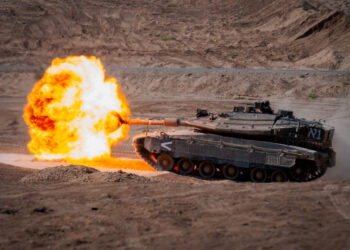
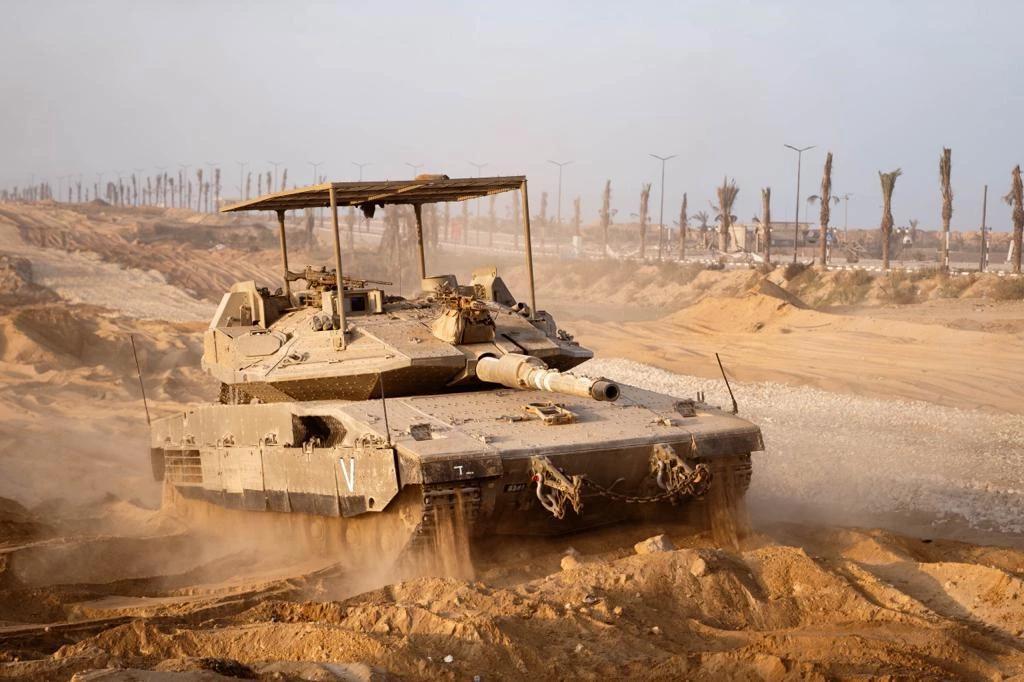
The latest variant of Israel’s main battle tank, the Merkava Mark IV Barak, reflects a fundamental shift in how armored forces operate within modern warfare.
The Barak integrates advanced digital systems that provide crews with unprecedented situational awareness. Through sensor integration and advanced display systems, commanders gain near-360-degree visibility of their surroundings. The tank is no longer a closed steel platform relying on narrow observation points. Instead, it becomes a connected node within a wider battlefield network.
This allows commanders to detect threats earlier, communicate with other units, share intelligence across forces, and operate within a unified operational picture. The tank therefore evolves from a traditional armored weapon into something closer to a mobile battlefield command node.
Armor in the Age of Drones
If anti-tank missiles forced armored warfare to evolve, the rapid spread of drones is pushing that evolution even further. Across modern battlefields, unmanned aerial systems provide reconnaissance, targeting, and precision strike capabilities that were once available only to advanced air forces. Small drones can expose armored movements, guide artillery fire, and deliver precision attacks against armored vehicles. In such an environment, tanks that operate as isolated platforms become increasingly vulnerable.
Survivability now depends on integration within a wider battlefield system that combines sensors, drones, intelligence, and coordinated maneuver forces. The future of armored warfare will depend less on armor thickness alone and more on information dominance.
Modern battlefields are also becoming increasingly transparent. Drones, satellites, and real-time intelligence systems are making it far more difficult for large armored formations to move without detection.
This growing battlefield transparency forces armored units to rely on concealment, mobility, and integration with wider intelligence networks in order to survive.
Lessons from the Fog of War
When I think back to the operations I experienced during Defensive Shield, I remember the uncertainty that surrounded every decision on the ground. Communication gaps, limited visibility, and fragmented intelligence were part of the reality of the battlefield. Today, modern armored platforms aim to reduce that uncertainty through connectivity, sensor integration, and real-time battlefield awareness. Technology may evolve and battlefield networks may grow more sophisticated.
Yet one element remains unchanged.
The decisive factor on the battlefield is still the soldier who must interpret information, make decisions under pressure, and lead others through uncertainty. The Merkava Mark IV Barak therefore represents more than a new generation of armored technology. It reflects the transformation of the battlefield itself, from isolated platforms of steel to interconnected systems of sensors, soldiers, and information.