
Drill & Defense
Advertisement
  • Defense
    • Industry News
    • Weapon & Gear Reviews
    • Defense Technologies
    • Military Market Reports
  • Energy
    • Oil & Gas News
    • Energy Technologies
    • Market Trends & Analysis
  • Cross-Sector Insights
    • Defense & Energy Strategy
    • Global Security & Trade Analysis
    • Tech & Innovation Crossover
  • History & Legacy
    • Turning Points in Conflict
    • Legacy Systems & Structures
    • Resource Wars & Strategy
  • Knowledge Base
    • Defense Know-How
    • Energy Insight
  • About
  • Contact
  • Login
  • Register
No Result
View All Result
  • Defense
    • Industry News
    • Weapon & Gear Reviews
    • Defense Technologies
    • Military Market Reports
  • Energy
    • Oil & Gas News
    • Energy Technologies
    • Market Trends & Analysis
  • Cross-Sector Insights
    • Defense & Energy Strategy
    • Global Security & Trade Analysis
    • Tech & Innovation Crossover
  • History & Legacy
    • Turning Points in Conflict
    • Legacy Systems & Structures
    • Resource Wars & Strategy
  • Knowledge Base
    • Defense Know-How
    • Energy Insight
  • About
  • Contact
  • Login
  • Register
No Result
View All Result
Drill & Defense
No Result
View All Result
Home Energy

Global Oil Markets May Be Tighter Than They Seem: A Mid-2025 Perspective

July 12, 2025
in Energy, Market Trends & Analysis
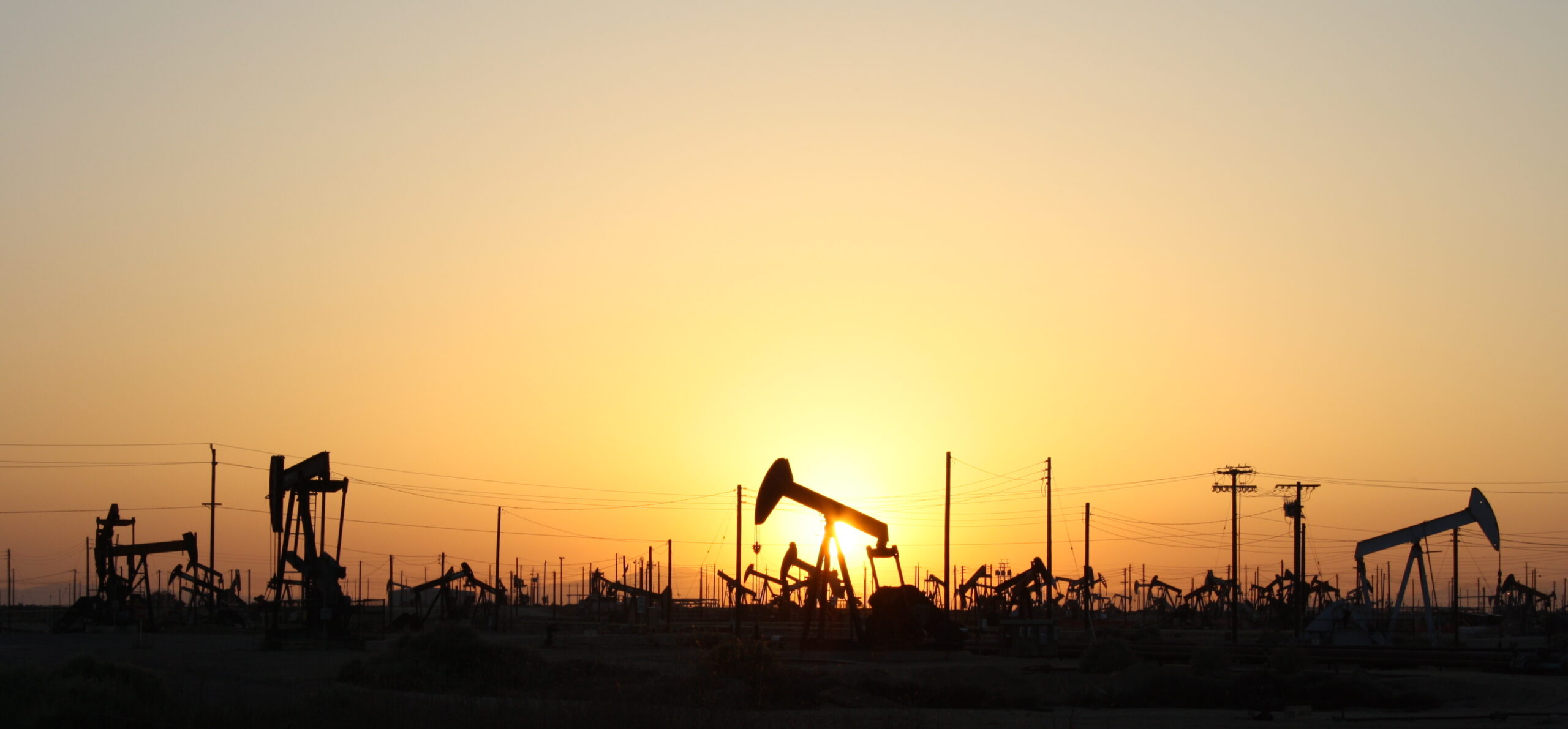
Pumpjacks

Arne Hückelheim, CC BY-SA 3.0 , via Wikimedia Commons

Share on LinkedInShare on Twitter

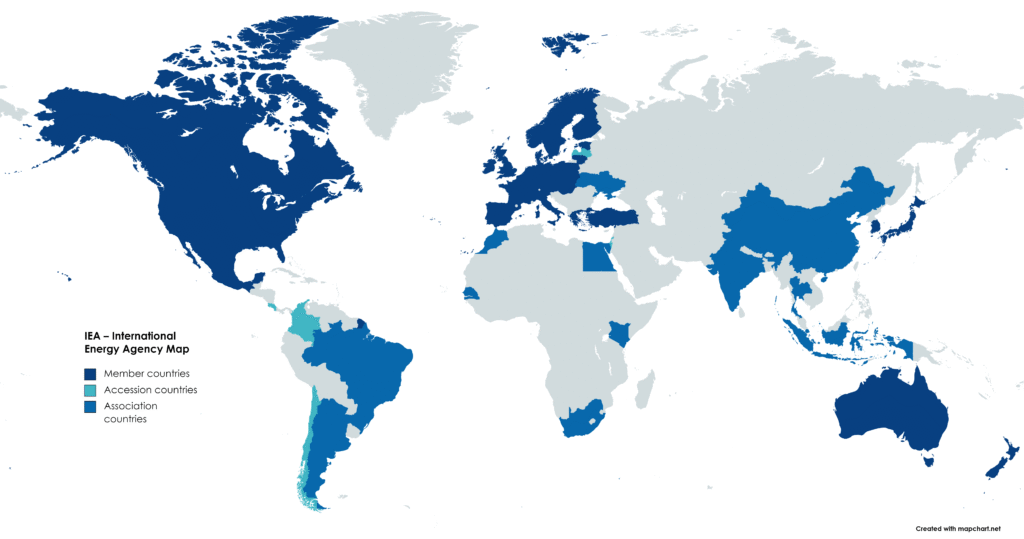
The international energy landscape has once again delivered a clear message this week: what we see on the surface is not always what we get when it comes to supply and demand. The International Energy Agency (IEA) now suggests that global oil markets may be operating under tighter conditions than previously estimated, a signal that should not be overlooked by market participants, policymakers, and those of us who make it our job to track the pulse of energy flows every day.

Let’s break down what this means, why it matters, and how this might shape the months ahead — especially as geopolitical tensions, seasonal demand shifts, and long-term structural transitions continue to converge.


A Surprising Revision: IEA’s Take on Supply and Demand

Earlier this week, the IEA released new figures indicating that the anticipated gap between global oil supply and demand is narrowing more than expected. This comes at a time when many investors and analysts have been lulled into a sense of relative stability after the past year’s supply shocks began to ease.

One factor behind this tighter outlook is the seasonal uptick in demand. Summer driving and travel traditionally boost fuel consumption across North America, Europe, and parts of Asia. Combined with higher-than-average refinery utilization rates, especially in the U.S. Gulf Coast and parts of East Asia, the system’s buffer has shrunk.

When we read these projections, it’s tempting to focus just on the numbers — the millions of barrels per day, the percentage point changes — but we shouldn’t lose sight of the broader story. The market’s apparent resilience hides a lingering fragility. If unexpected events hit — say, an unplanned supply outage, a sudden geopolitical incident, or extreme weather — the system’s cushion might not be as robust as it appears.

Geopolitical Tensions Still Loom Large

Any discussion of oil markets right now must acknowledge the geopolitical currents shaping them. In the last week, the Russia–Ukraine conflict has taken a fresh turn, with Western nations debating additional sanctions on Russian oil exports. Meanwhile, the U.S. administration has floated the possibility of new tariffs on certain Russian energy imports, amplifying the uncertainty.

In the Middle East, Iran’s parliament has been rattling sabers again over potential closures of the Strait of Hormuz. Roughly 20% of global seaborne crude passes through this critical chokepoint every single day. The mere suggestion that Hormuz could be blocked — even partially — is enough to send shivers down supply chains that depend on steady, predictable flows.

What stands out here is not necessarily that any single threat will come to pass tomorrow, but that the market’s margin for error is thinner than in previous years. This means that even modest geopolitical surprises can trigger outsized reactions in spot prices, shipping insurance rates, and refinery margins.


Producers Respond: Saudi Arabia and OPEC+ Adjust

This week also brought headlines from OPEC+ producers. Saudi Arabia, the world’s largest oil exporter, increased its official selling prices for Arab Light crude to Asia by $2.20 per barrel — the highest premium in four months. This signals confidence in the resilience of Asian demand, particularly from China and India, despite some recent signs of a slowdown in China’s broader economy.

On top of that, OPEC’s latest seminar in Vienna emphasized two key points: first, that short-term market management remains a top priority; and second, that the bloc still expects global oil demand to continue rising into 2050, even if the near-term growth pace has been revised slightly downward for 2025 through 2029.

It’s interesting to note how these forecasts reveal a delicate balancing act. On the one hand, producers want to support prices by adjusting output and prices in response to demand signals. On the other, they must also hedge against longer-term risks posed by the global energy transition, evolving regulatory regimes, and technological disruption.


EIA’s New Outlook: Short-Term Price Strength, Medium-Term Cooling

In parallel to the IEA’s update, the U.S. Energy Information Administration (EIA) revised its own short- and medium-term forecasts this week. The EIA now expects the average price of West Texas Intermediate (WTI) crude to hover around $66 per barrel in 2025, slightly up from previous estimates. However, the agency anticipates that prices could soften again into 2026 as supply growth stabilizes and demand growth plateaus.

Additionally, the EIA projects that U.S. crude oil production will remain historically high through 2025, reaching 13.4 million barrels per day, but may dip marginally to 13.3 million by the end of 2026. For context, this level keeps the U.S. firmly in place as the world’s largest single producer, but also signals that output expansion is approaching a ceiling under current market conditions and policy frameworks.

When you add this all together, you get a picture of a market that looks balanced on paper, yet carries meaningful downside and upside risks depending on how global economic recovery, refinery runs, and geopolitical wildcards play out.


What This Means for the Broader Energy Transition

Of course, no discussion about oil market dynamics in 2025 can ignore the push toward decarbonization. The OPEC seminar in Vienna repeatedly highlighted how producers view the energy transition as both a threat and an opportunity. While there’s recognition that fossil fuel demand will not disappear overnight, there is also an acknowledgment that policy, investor sentiment, and technological progress are reshaping the market’s foundations.

For refiners, traders, and governments, this means a dual imperative: manage short-term volatility while accelerating plans for cleaner fuels, carbon capture, and alternative energy investments. In practical terms, these new IEA and EIA numbers may reinforce the argument for diversification and resilience — not just for the energy mix, but for supply chains, shipping lanes, and strategic reserves.


A Final Word for Stakeholders Watching This Space

If you’ve been following energy markets for any length of time, you know that revisions, new risks, and surprise events are part of the game. But what makes this week’s developments stand out is how they illustrate the tension between an ostensibly stable market and the undercurrents that could quickly tip that balance.

For our readers — whether you’re in refining, trading, logistics, or policy — the takeaway is simple: remain vigilant. Factor in tighter-than-expected margins. Keep an eye on strategic chokepoints like the Strait of Hormuz. And remember that price signals today may not fully account for tomorrow’s disruptions.

At Drill & Defense, we’ll continue monitoring these trends closely and bringing you objective, actionable insights to help you navigate the path ahead.


Sources:

  • International Energy Agency (IEA) Reports via Reuters
  • Times of India Business Desk
  • U.S. Energy Information Administration (EIA) July 2025 Short-Term Outlook
  • OPEC Seminar Highlights via APA News
Previous Post

The Ukraine War as a Tech-Testbed for Modern Defense Systems

Next Post

Altay Main Battle Tank: Turkey’s Leap Forward in Armored Warfare

Related Posts

International_Renewable_Energy_Agency_Logo
Market Trends & Analysis

Breaking the Cost Barrier: A New Era in Global Renewable Energy

July 27, 2025
Deep_Value_Driller
Oil & Gas News

Strengthening Türkiye’s Offshore Energy Fleet: A Strategic Leap Forward

July 21, 2025
Oil_platform_P-51_
Energy

Pegasus‑1 and the Pipeline Puzzle: How Will the Gas Reach the Market?

July 17, 2025
Bp_Logo_in_Bird_Nest_-_panoramio
Oil & Gas News

Reviving Libya’s Oil Landscape: BP & Shell Rejoin the Fray

July 10, 2025
Energy

Pegasus‑1 Discovery: Eastern Mediterranean Enters a New Phase

July 8, 2025
Bahrain_Oil_Pump_2
Energy

Energy Markets Hold Their Breath as Oil Jumps and Fusion Dreams Grow

July 6, 2025
Next Post
TankAltayT1_(1)

Altay Main Battle Tank: Turkey’s Leap Forward in Armored Warfare

  • Trending
  • Comments
  • Latest
Blackwater PMC

After Blackwater: How PMCs Evolved, Professionalized, and Fragmented

September 13, 2025
Blackwater PMC

Inside Iraq’s Security Market: How Private Power Shapes a Fragile State

October 6, 2025
Operation Enduring Freedom

What Exactly Is a Private Military Company (PMC)?

September 6, 2025
Repkon Nammo in Denmark: What This Nordic Ammunition Play Really Signals

Repkon Nammo in Denmark: What This Nordic Ammunition Play Really Signals

August 21, 2025
A Historic $142 Billion Arms Deal: Unpacking the U.S.-Saudi Agreement

A Historic $142 Billion Arms Deal: Unpacking the U.S.-Saudi Agreement

A Silent Revolution on the Battlefield: AI-Enabled Tactical Communication Systems

A Silent Revolution on the Battlefield: AI-Enabled Tactical Communication Systems

Cominf.org, CC BY-SA 3.0 , via Wikimedia Commons

Is Europe Really Reducing Its Dependence on Russian Gas?

What is ITAR? The Invisible Line in Global Defense Trade

What is ITAR? The Invisible Line in Global Defense Trade

Israel’s F-15 News: What Actually Happened, and Why It Matters

Israel’s F-15 News: What Actually Happened, and Why It Matters

January 1, 2026
SDF and HTS: Managing Tension Without Open Conflict in Northern Syria

SDF and HTS: Managing Tension Without Open Conflict in Northern Syria

December 26, 2025
What 2025 Taught Us About Defense and Energy: Five Lessons for 2026

What 2025 Taught Us About Defense and Energy: Five Lessons for 2026

December 24, 2025
The New Taiwan Arms Package and China’s “Stop” Message: What Actually Changed

The New Taiwan Arms Package and China’s “Stop” Message: What Actually Changed

December 19, 2025

Recent News

Israel’s F-15 News: What Actually Happened, and Why It Matters

Israel’s F-15 News: What Actually Happened, and Why It Matters

January 1, 2026
SDF and HTS: Managing Tension Without Open Conflict in Northern Syria

SDF and HTS: Managing Tension Without Open Conflict in Northern Syria

December 26, 2025
What 2025 Taught Us About Defense and Energy: Five Lessons for 2026

What 2025 Taught Us About Defense and Energy: Five Lessons for 2026

December 24, 2025
The New Taiwan Arms Package and China’s “Stop” Message: What Actually Changed

The New Taiwan Arms Package and China’s “Stop” Message: What Actually Changed

December 19, 2025
Drill & Defense

Drill & Defense is an independent platform providing insights into firearms, defense technologies, and energy sectors. We deliver clear, practical content for professionals, enthusiasts, and industry followers worldwide.

Follow Us

Browse by Category

  • Cross-Sector Insights
  • Defense
  • Defense & Energy Strategy
  • Defense Know-How
  • Defense Technologies
  • Energy
  • Energy Insight
  • Energy Technologies
  • Global Security & Trade Analysis
  • History & Legacy
  • Industry News
  • Knowledge Base
  • Legacy Systems & Structures
  • Market Trends & Analysis
  • Military Market Reports
  • Oil & Gas News
  • Resource Wars & Strategy
  • Tech & Innovation Crossover
  • Turning Points in Conflict
  • Weapon & Gear Reviews

Recent News

Israel’s F-15 News: What Actually Happened, and Why It Matters

Israel’s F-15 News: What Actually Happened, and Why It Matters

January 1, 2026
SDF and HTS: Managing Tension Without Open Conflict in Northern Syria

SDF and HTS: Managing Tension Without Open Conflict in Northern Syria

December 26, 2025

© 2025 Drill & Defense. All rights reserved. Independent insights on firearms, defense, and energy. For business inquiries: info@drillanddefense.com | PRIVACY POLICY | COOKIE POLICY | TERMS AND CONDITIONS

Manage Consent

We use cookies to improve your experience. You can accept or refuse cookies; however, some features may not function properly without your consent.

Functional Always active
The technical storage or access is strictly necessary for the legitimate purpose of enabling the use of a specific service explicitly requested by the subscriber or user, or for the sole purpose of carrying out the transmission of a communication over an electronic communications network.
Preferences
The technical storage or access is necessary for the legitimate purpose of storing preferences that are not requested by the subscriber or user.
Statistics
The technical storage or access that is used exclusively for statistical purposes. The technical storage or access that is used exclusively for anonymous statistical purposes. Without a subpoena, voluntary compliance on the part of your Internet Service Provider, or additional records from a third party, information stored or retrieved for this purpose alone cannot usually be used to identify you.
Marketing
The technical storage or access is required to create user profiles to send advertising, or to track the user on a website or across several websites for similar marketing purposes.
  • Manage options
  • Manage services
  • Manage {vendor_count} vendors
  • Read more about these purposes
View preferences
  • {title}
  • {title}
  • {title}
No Result
View All Result
  • Defense
    • Industry News
    • Weapon & Gear Reviews
    • Defense Technologies
    • Military Market Reports
  • Energy
    • Oil & Gas News
    • Energy Technologies
    • Market Trends & Analysis
  • Cross-Sector Insights
    • Defense & Energy Strategy
    • Global Security & Trade Analysis
    • Tech & Innovation Crossover
  • History & Legacy
    • Turning Points in Conflict
    • Legacy Systems & Structures
    • Resource Wars & Strategy
  • Knowledge Base
    • Defense Know-How
    • Energy Insight
  • About
  • Contact
  • Login
  • Register

© 2025 Drill & Defense. All rights reserved. Independent insights on firearms, defense, and energy. For business inquiries: info@drillanddefense.com | PRIVACY POLICY | COOKIE POLICY | TERMS AND CONDITIONS